
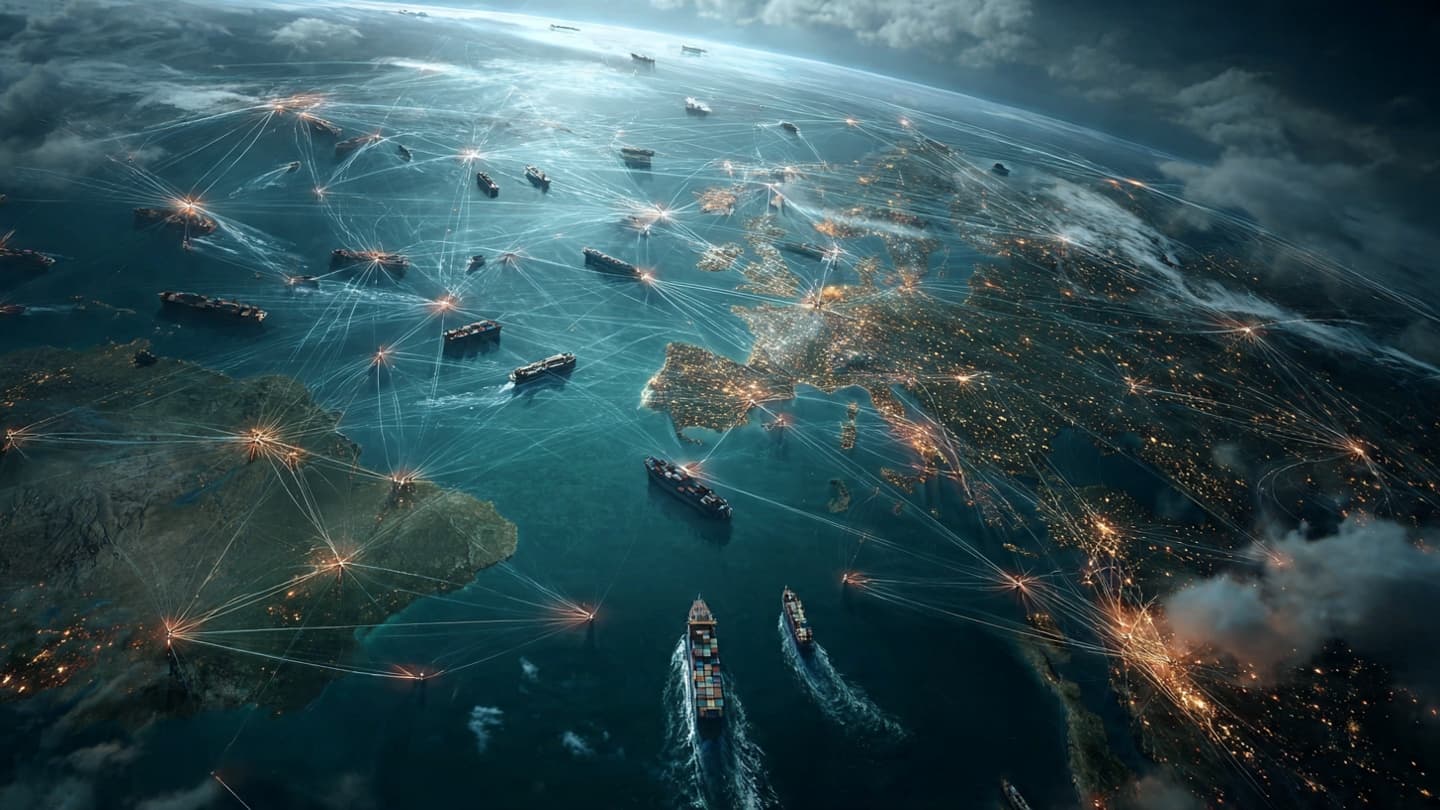
The global economy depends upon countless movements that often occur far from public view. Ships crossing oceans, ports handling cargo, and distribution networks delivering resources all contribute to a system that supports everyday life. Among these activities, energy transportation occupies a particularly important place. Recent improvements in energy distribution have encouraged optimism among maritime industries that rely on stable trade conditions.
Industry participants report that supply flows have become more predictable in several key transportation corridors. This development has allowed shipping operators to plan routes with greater confidence while improving scheduling efficiency and operational reliability.
Predictability is highly valued within the maritime sector. Shipping companies invest substantial resources into fleet management, fuel procurement, and logistics coordination. When distribution networks operate smoothly, businesses can make decisions with a clearer understanding of market conditions.
Energy transportation remains a central component of maritime commerce. Tankers carrying crude oil and refined products connect producing regions with international markets. Stable distribution patterns help reduce uncertainty and support the efficient movement of these essential commodities.
Port operators are also benefiting from improved conditions. Consistent shipping schedules contribute to smoother cargo handling operations, better resource allocation, and enhanced service quality. These improvements often create positive effects throughout broader logistics networks.
Financial markets frequently view stability in energy transportation as a constructive signal. Reliable supply flows can reduce concerns regarding shortages and contribute to a more balanced market environment. Such conditions often support business planning and investment decisions.
Technology continues to play an important role in maintaining efficiency. Digital tracking systems, automated logistics platforms, and predictive planning tools allow companies to monitor shipments and respond quickly to changing circumstances.
Industry leaders remain attentive to potential challenges, recognizing that global trade networks can be influenced by a variety of factors. Nevertheless, the current improvement in energy distribution has provided a degree of reassurance for stakeholders throughout the maritime sector.
As shipping lanes remain active and distribution networks continue operating effectively, maritime industries are finding reasons for cautious optimism. The steady movement of energy resources may not always attract attention, but it remains one of the essential forces supporting global commerce and economic connectivity.
AI Image Disclaimer: Illustrations were produced with AI and serve as conceptual depictions.
Sources: Reuters, Bloomberg, CNBC, Lloyd's List, Maritime Executive.
Note: This article was published on BanxChange.com and is powered by the BXE Token on the XRP Ledger. For the latest articles and news, please visit BanxChange.com