

Key Highlights
- China and North Korea are enhancing diplomatic and economic ties.
- Beijing remains North Korea's largest trading partner.
- Regional governments are closely monitoring these developments.
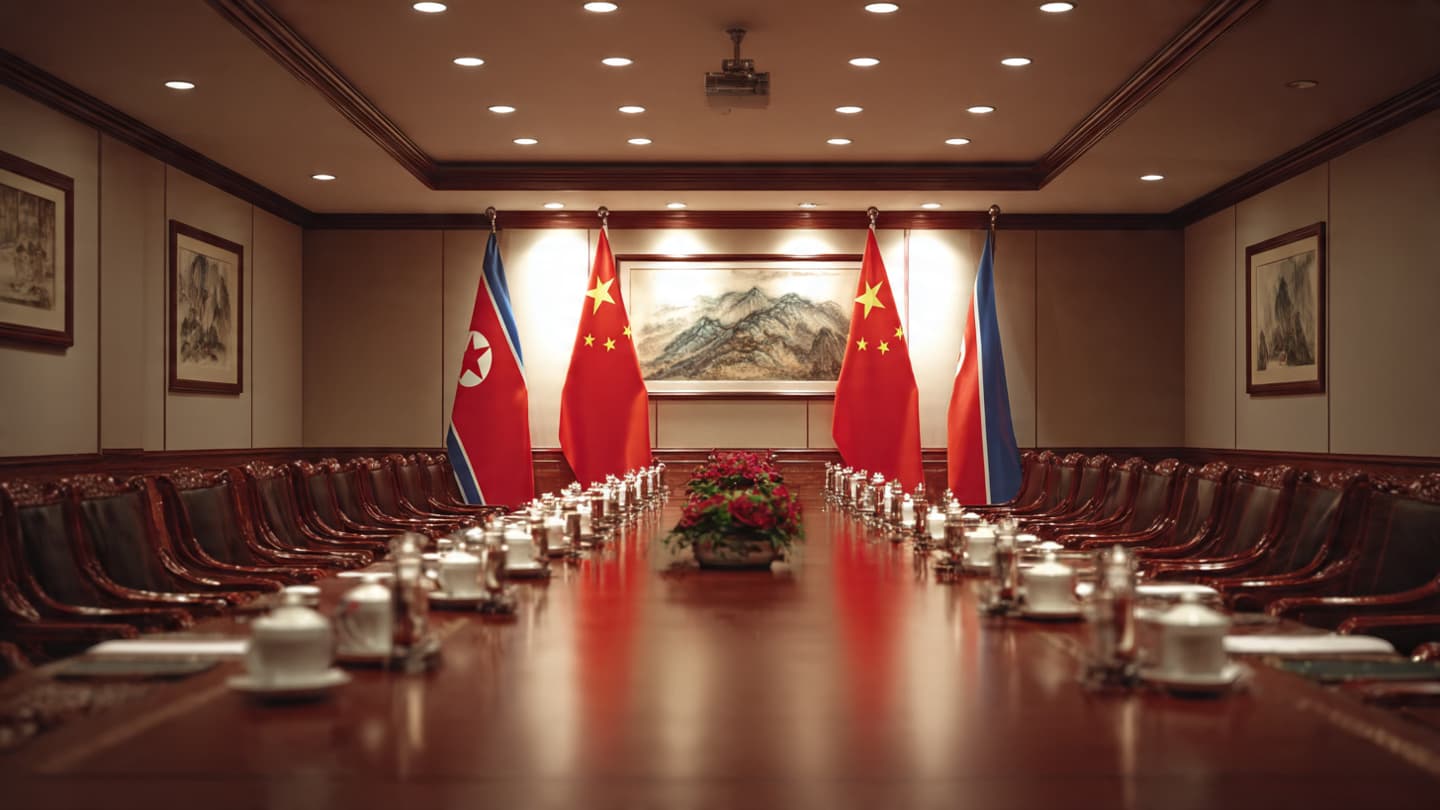
Recent diplomatic engagement between China and North Korea has underscored the significance of their long-standing partnership. As geopolitical dynamics in Northeast Asia evolve, officials from both nations have expressed intentions to deepen cooperation, reflecting historical ties that have shaped their relationship over decades.
China continues to be North Korea's largest trading partner, providing essential economic support. The bilateral trade relationship has been crucial for North Korea, especially in light of international sanctions. Infrastructure projects and border exchanges have historically played a vital role in sustaining these ties, allowing for a flow of goods and resources that bolster North Korea's economy.
The renewed engagement comes at a time when regional security discussions are increasingly critical. Observers note that stronger diplomatic coordination between Beijing and Pyongyang could influence broader security dynamics, particularly concerning North Korea's ongoing weapons programs and military activities. The potential for increased collaboration raises questions about how this might affect the balance of power in the region.
Chinese leaders have consistently prioritized regional stability and dialogue, advocating for diplomatic engagement as a means to mitigate tensions on the Korean Peninsula. This approach aligns with China's broader foreign policy goals, which emphasize stability and economic development in its neighboring countries.
On the other hand, North Korea is actively seeking strategic partnerships that align with its economic objectives while maintaining its political and security priorities. Enhanced economic exchanges with China could help address some of the domestic challenges facing the North Korean regime, particularly in light of ongoing sanctions and economic isolation.
As developments unfold, regional governments, including South Korea, Japan, and the United States, are expected to closely monitor the evolving relationship between Beijing and Pyongyang. Changes in this dynamic often carry significant implications for security and diplomacy across East Asia, making it a focal point for international observers.
While many details regarding future cooperation remain uncertain, analysts suggest that strengthened ties between China and North Korea could play a pivotal role in shaping regional affairs in the coming years. The implications of this partnership will likely resonate beyond their borders, influencing the geopolitical landscape of Northeast Asia.
Published by Banx Network. This article is part of the Banx decentralized media programme, powered by the BXE token on the XRP Ledger.




