
Key Highlights
- Air Quality Alerts:Millions affected by smoke from Canadian wildfires.
- Health Risks:Fine particulate matter poses serious health threats.
- Community Response:Schools and organizations adjust outdoor activities.
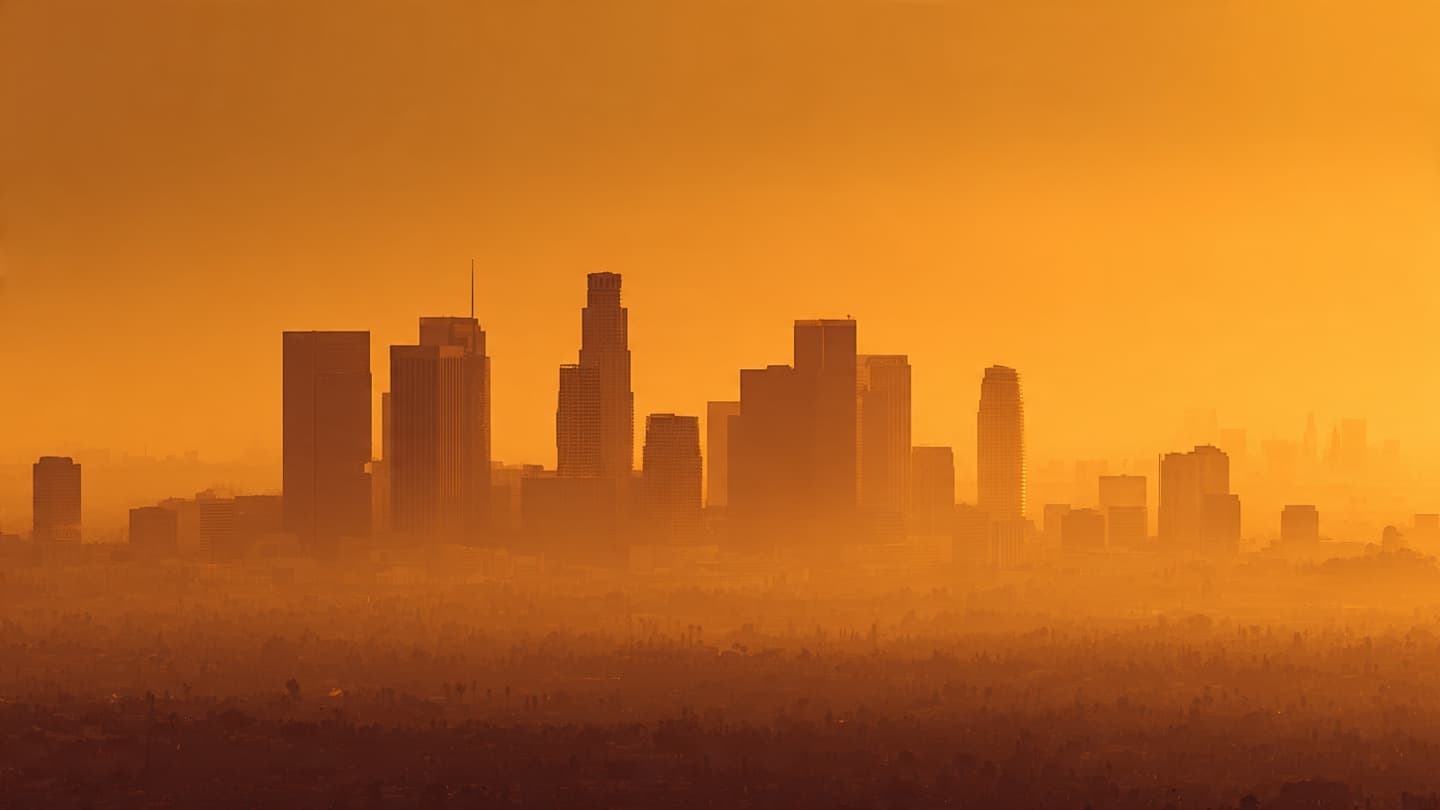
Wildfire smoke knows no borders, and as it drifts southward from Canada, it brings with it a host of public health concerns. Health authorities across several U.S. states have issued air quality alerts, affecting millions of residents in the Midwest and Northeast. The smoke, carried by shifting winds, serves as a stark reminder that environmental challenges are often shared experiences, transcending national boundaries.
According to environmental monitoring agencies, elevated concentrations of fine particulate matter have significantly reduced air quality in numerous cities. These tiny particles can penetrate deep into the lungs, exacerbating existing respiratory and cardiovascular conditions. The U.S. Environmental Protection Agency (EPA) has been actively monitoring these changes and providing guidance to residents on how to protect themselves during this hazardous period.
State and local officials have advised residents to limit outdoor activities, particularly those with pre-existing health conditions such as asthma or heart disease. The warnings are particularly urgent for sensitive populations, including children and the elderly, who are at a higher risk of experiencing adverse health effects from prolonged exposure to poor air quality.
In response to the deteriorating air conditions, schools, sports organizations, and community groups in affected areas have adjusted their outdoor schedules. Many have opted to cancel or postpone events to safeguard the health of participants. Authorities are continuously monitoring air quality levels in real time, ensuring that residents receive timely updates on the situation.
Medical experts emphasize that exposure to wildfire smoke can lead to a range of symptoms, including coughing, throat irritation, shortness of breath, and eye discomfort. The health risks associated with wildfire smoke are not limited to immediate effects; prolonged exposure can lead to more serious health complications, particularly for those with underlying health issues.
Environmental scientists note that the transport of smoke across international borders is not uncommon during major wildfire seasons. Weather systems can carry airborne particles hundreds or even thousands of miles from their source, making it essential for health officials to collaborate across borders. As wildfire activity continues in Canada, U.S. health officials are expected to maintain close surveillance of air quality conditions in affected regions, ready to respond as necessary.
In conclusion, the ongoing situation underscores the importance of public health preparedness and the need for coordinated responses to environmental challenges that impact communities across borders. Federal agencies, including the EPA and various public health institutions, continue to provide guidance and resources to help residents navigate these challenging conditions.
Published by Banx Network. This article is part of the Banx decentralized media programme, powered by the BXE token on the XRP Ledger.



