
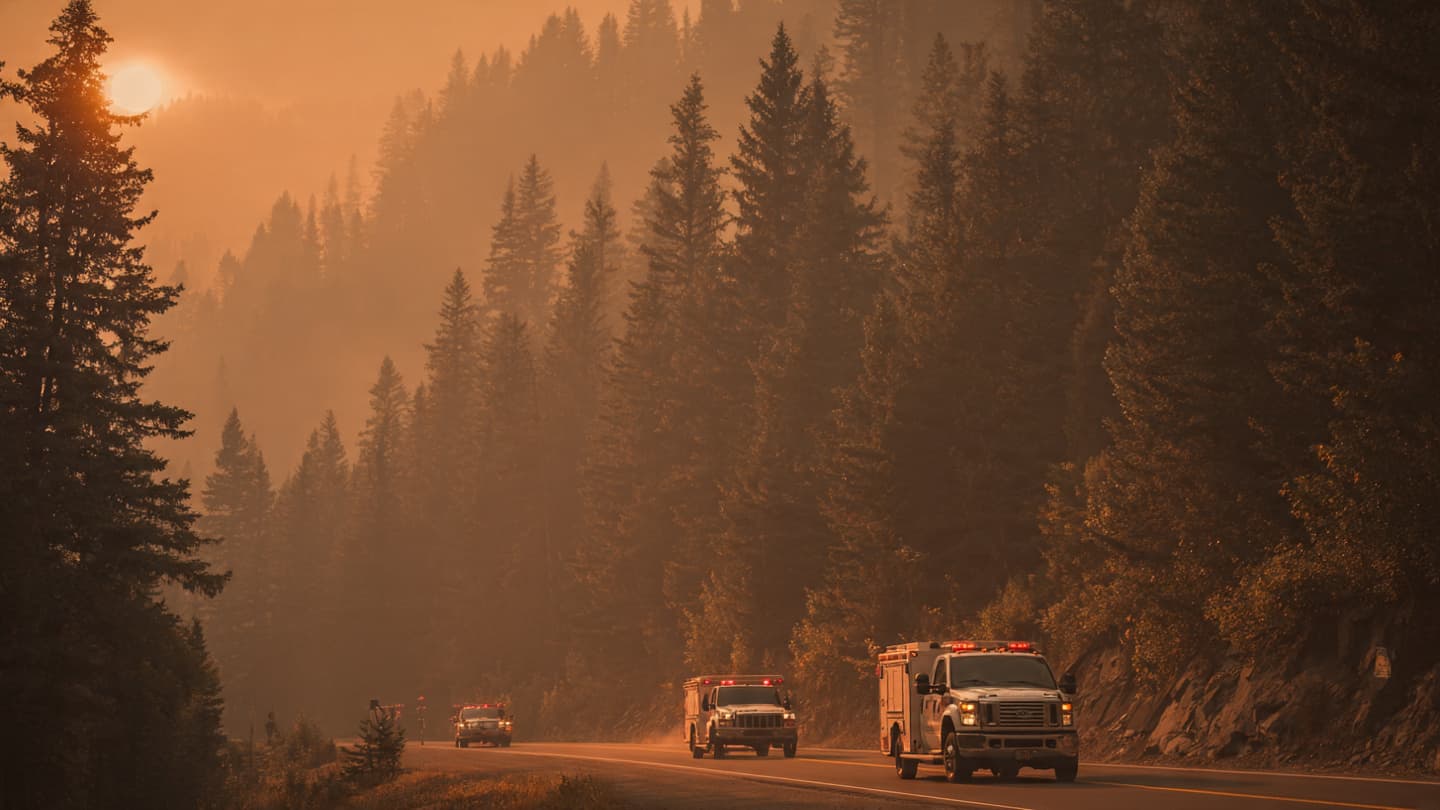
Key Highlights
- Wildfires in Canada are affecting air quality across multiple provinces.
- Authorities have issued air quality advisories urging residents to limit outdoor activities.
- Thousands of residents face evacuation orders as firefighting efforts continue.
Wildfires are once again wreaking havoc across Canada, with significant blazes reported in provinces such as Saskatchewan, Manitoba, and Alberta. These fires not only threaten local ecosystems but also have far-reaching effects on air quality, impacting communities that are miles away from the flames. As smoke drifts across vast distances, residents are reminded of the interconnectedness of environmental events and their consequences.
In response to the ongoing wildfires, environmental agencies have issued air quality advisories in affected regions. These advisories recommend that residents limit prolonged outdoor activities, especially during periods when smoke concentrations are elevated. Vulnerable populations, including children, the elderly, and individuals with pre-existing respiratory conditions, are particularly urged to take precautions to safeguard their health.
The increasing frequency and intensity of wildfires in Canada have become a pressing concern, especially during warmer and drier seasons. Climate scientists have noted that changing weather patterns contribute to longer fire seasons and a higher likelihood of extreme fire behavior. This year, the situation has escalated, prompting local authorities to issue evacuation orders and preparedness alerts for thousands of residents in areas at risk.
Emergency services are actively coordinating efforts to ensure public safety, providing shelter and transportation for those affected by the fires. Fire crews from across Canada, along with international partners, have been mobilized to assist in suppression efforts. Aircraft, helicopters, and ground teams are engaged in operations to contain the blazes and protect communities.
Researchers have highlighted the dangers posed by wildfire smoke, which contains fine particulate matter that can travel significant distances. As a result, even communities located far from active fires may experience deteriorating air quality. Public health officials recommend that residents stay informed through local advisories, utilize indoor air filtration systems when possible, and reduce strenuous outdoor activities during heavy smoke periods.
As firefighting operations continue, authorities emphasize that weather conditions will play a crucial role in shaping the wildfire situation in the coming weeks. The unpredictability of fire behavior, combined with changing climate conditions, underscores the need for ongoing vigilance and preparedness among communities affected by wildfires.
In summary, as Canada faces another challenging fire season, the impact of wildfires on air quality serves as a stark reminder of the broader environmental challenges that communities must confront. With proactive measures and community support, residents can navigate the challenges posed by this year's wildfire season.
Published by Banx Network. This article is part of the Banx decentralized media programme, powered by the BXE token on the XRP Ledger.



