There are places where the horizon seems to stretch with promise, beckoning travelers from distant lands with the warm glow of sunlit seas and the rhythm of music whispered by ocean breezes. For decades, Cuba’s vibrant tapestry of culture, history, and landscape welcomed millions — a lifeline woven through its economy, bringing hope and hard currency alike. Yet now, in the cool light of early 2026, that comforting scene is touched by uncertainty, as winds of change ripple through its resorts, streets, and ports.
When the first rumblings of fuel shortages spread through the island’s aviation and transport networks, they carried more than logistical headaches. Cuba’s government warned international airlines that jet fuel at its airports would be unavailable for weeks, prompting key carriers to suspend services and plan evacuations of foreign visitors. This development came amid a deepening energy crisis tied to tighter U.S. restrictions on oil supplies and the cessation of longtime flows from key partners, leaving the island with limited options to keep flights aloft and tourists arriving.
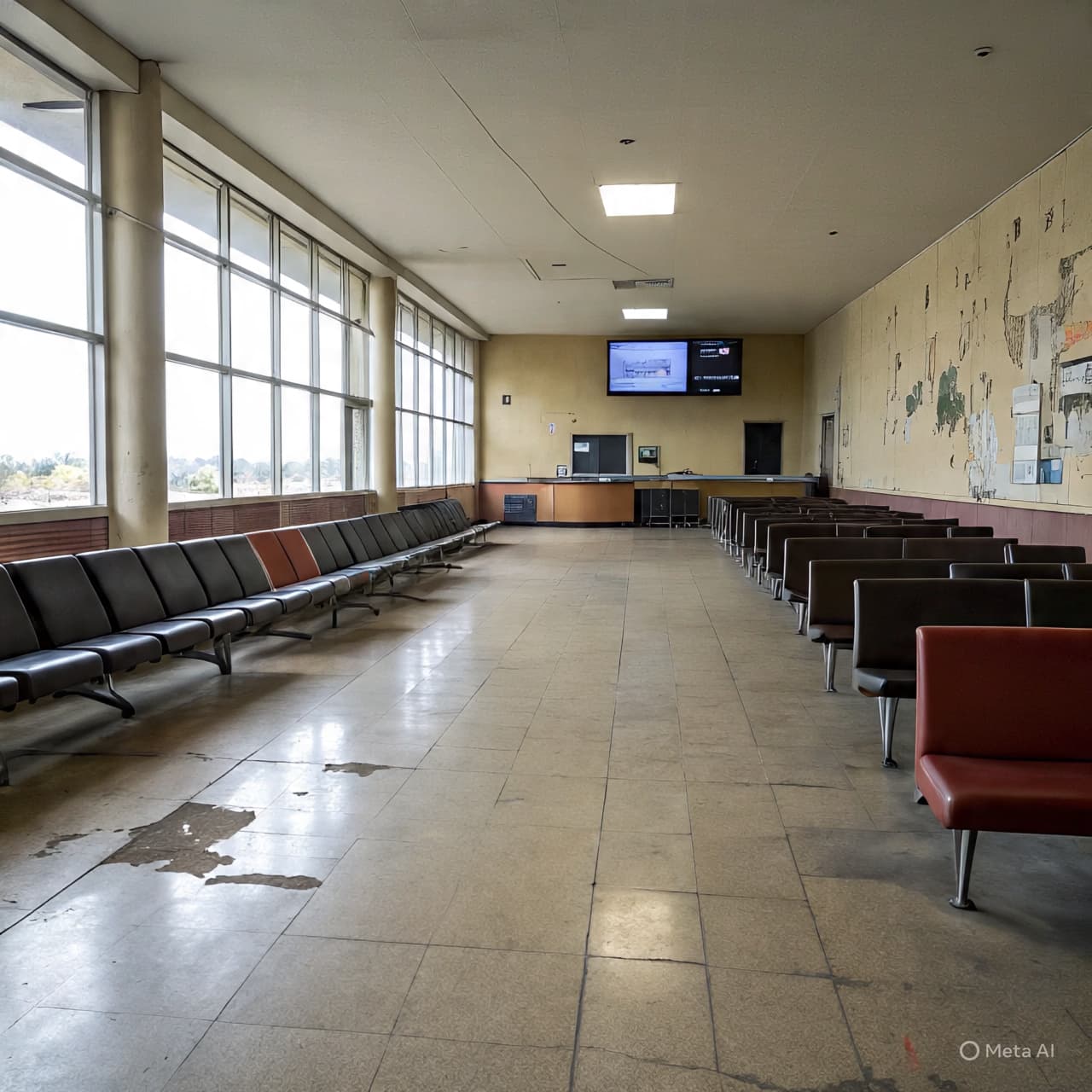
For a nation where tourism once accounted for billions in revenue and supported hotels, restaurants, craftspeople, guides, and transport services, the sudden quiet of departure lounges and the shuttering of flights reverberates beyond terminals. International carriers such as Air Canada announced immediate suspension of regular operations, though they are flying empty planes southward in the coming days to bring home stranded customers. Russian airlines have also adapted routes to repatriate their citizens before pausing operations entirely.
The consequences spill into everyday life. Hotel closures, reduced public services, constrained energy supplies, and an unprecedented plunge in tourism arrivals are translating into tangible hardship — from lost incomes for workers dependent on visitors to a broader dent in foreign currency inflows. The Cuban peso has slumped to historic lows against the U.S. dollar, underscoring the widening gap between everyday costs and local earnings.
Authorities are navigating a delicate balance: urging conservation of precious fuel reserves while seeking diplomatic pathways to stabilize energy supply and sustain essential services. Meanwhile, families in tourist hubs watch once-bustling squares and seafront promenades grow quieter, listening for signs of recovery that may yet be distant.
In this unfolding chapter, the island’s long reliance on tourism as an economic cornerstone faces a stark test. With each empty airplane gate and dimmed hotel lobby, Cuba’s leaders and citizens alike confront both the magnitude of their predicament and the profound interconnection between its natural allure and its fiscal well-being.
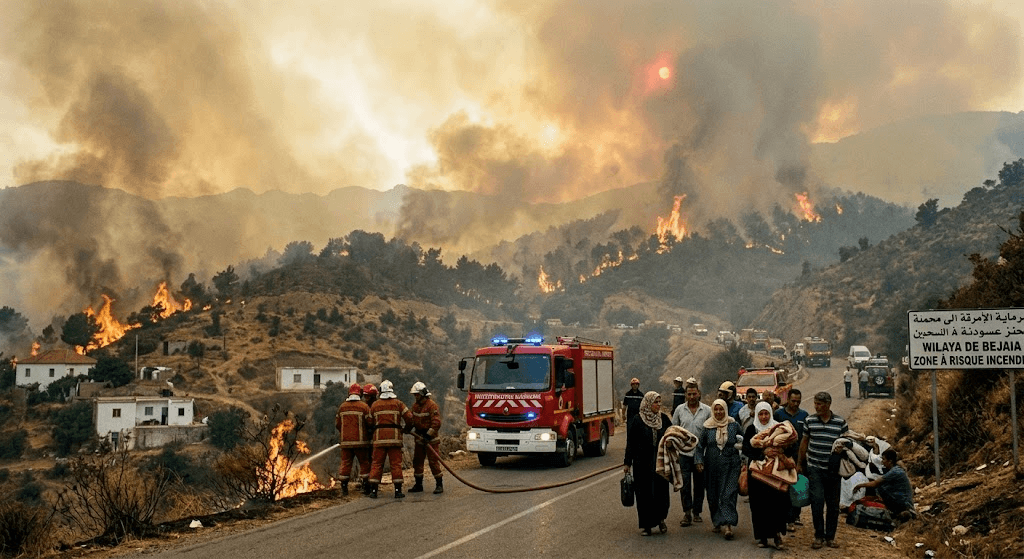
AI Image Disclaimer Graphics are AI-generated and intended for representation, not reality.
Source Check — Credible Mainstream/Niche Media El País English — reporting economic turmoil tied to tourism collapse. Associated Press (AP News) — details on flight suspensions due to fuel crisis. Reuters — Russian evacuations and aviation fuel shortages. Time — energy crisis worsening economic crisis. Rustourism News — aviation and austerity impacts.
Published by Banx Network. This article is part of the Banx decentralized media programme, powered by the BXE token on the XRP Ledger.