Sometimes the arc of history feels less like a sudden leap and more like the slow unwinding of a tapestry — threads pulled gently by innovation, investment and a vision of what the future might hold. Today, as the world navigates the shift from fossil‑fired engines to winds and currents powered by sun and steel, China finds itself poised to benefit in profound and expansive ways from the global energy transition. From sprawling solar installations to battery factories humming with activity, the country’s role in reshaping global energy is both a reflection of its own ambitions and a quiet marker of how economies are being recast in this age of decarbonization.
Like a craftsman who has honed his tools over decades, China has built massive capacity in clean and renewable technologies that now sit at the heart of the global shift. Analysts note that a wave of investment in clean energy infrastructure — potentially worth trillions of U.S. dollars — places Chinese firms in a strong position to supply technology, components and manufacturing prowess to markets around the world. Whether it’s solar panels spreading across deserts and rooftops, sprawling wind farms tapping coastal gusts, or batteries storing current for grid‑scale use, the footprint of Chinese industry in global energy systems is undeniable.
In recent years, China’s clean‑energy sectors have grown with fierce momentum, contributing substantial value to its domestic economy while also supplying products and expertise overseas. In 2025, solar and wind capacity — already vast — continued to expand rapidly, while electrification and grid upgrades kept pace with the surging demand for electricity in industrial and residential sectors. Beyond installation, Chinese companies have become major producers of lithium‑ion batteries, electric vehicles, and related components, anchoring supply chains that extend from East Asia to Europe and beyond.
There is, of course, a broader context in which these developments take root. The world’s collective push to limit carbon emissions has created demand for affordable, scalable clean‑energy solutions — and Chinese manufacturers have responded with scale and competitive pricing that few rivals can match. This has translated to globally distributed solar modules, battery cells, and electrified transport products that are now fixtures in the industrial landscape of many nations. It also means that profits associated with exports, technology licensing, and services tied to energy transition have the potential to accrue to Chinese firms in ways that ripple far beyond their borders.
Yet the story is not merely one of export figures and booming production lines. It is also a narrative about strategic positioning — how an economy retools itself for the demands of a greener future. Investments in grid modernization, hydrogen production, and renewable manufacturing reflect not only environmental commitments but long‑term economic calculations about where growth and competitive advantage will be found. In this sense, China’s footprint in the global energy transition is both practical and emblematic: a reminder that the paths toward sustainability are woven through economic ambition and human ingenuity.
In straightforward terms, analysts say China is well placed to earn significant economic benefits from the global energy transition, given its large clean‑energy manufacturing base, expanding renewable capacity and growing role in supplying batteries, solar panels and related technologies to international markets. The shift toward decarbonized systems, they note, represents a major economic opportunity as well as an environmental imperative.
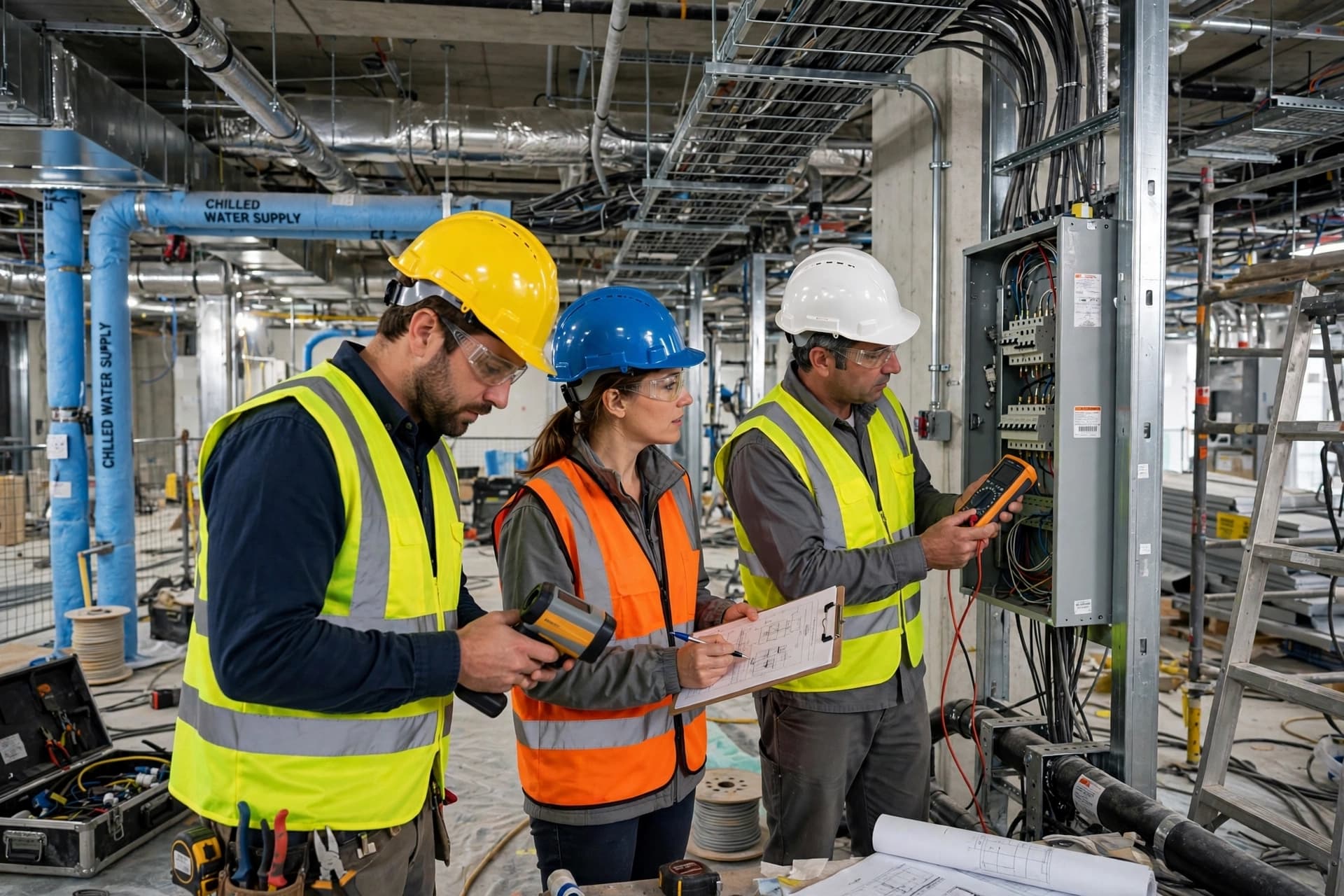
AI Image Disclaimer “Visuals are created with AI tools and are not real photographs.”
Sources South China Morning Post, Carbon Brief, Reuters, Asia Financial, BloombergNEF
Published by Banx Network. This article is part of the Banx decentralized media programme, powered by the BXE token on the XRP Ledger.