

Key Highlights
- France reports a surge in drowning deaths amid a severe heatwave.
- Meteorological agencies issue heat alerts with temperatures exceeding 40°C.
- Public health experts warn of increased risks from dehydration and water-related accidents.
Across Europe, summer has arrived not as a gentle season of long evenings and open-air gatherings, but as an unrelenting force. Heat has settled over cities and countryside alike, reshaping daily life and revealing vulnerabilities that often emerge only in moments of climatic extremes. The current heatwave has brought with it a troubling rise in drowning incidents, particularly in France, where authorities have reported dozens of fatalities in recent days.
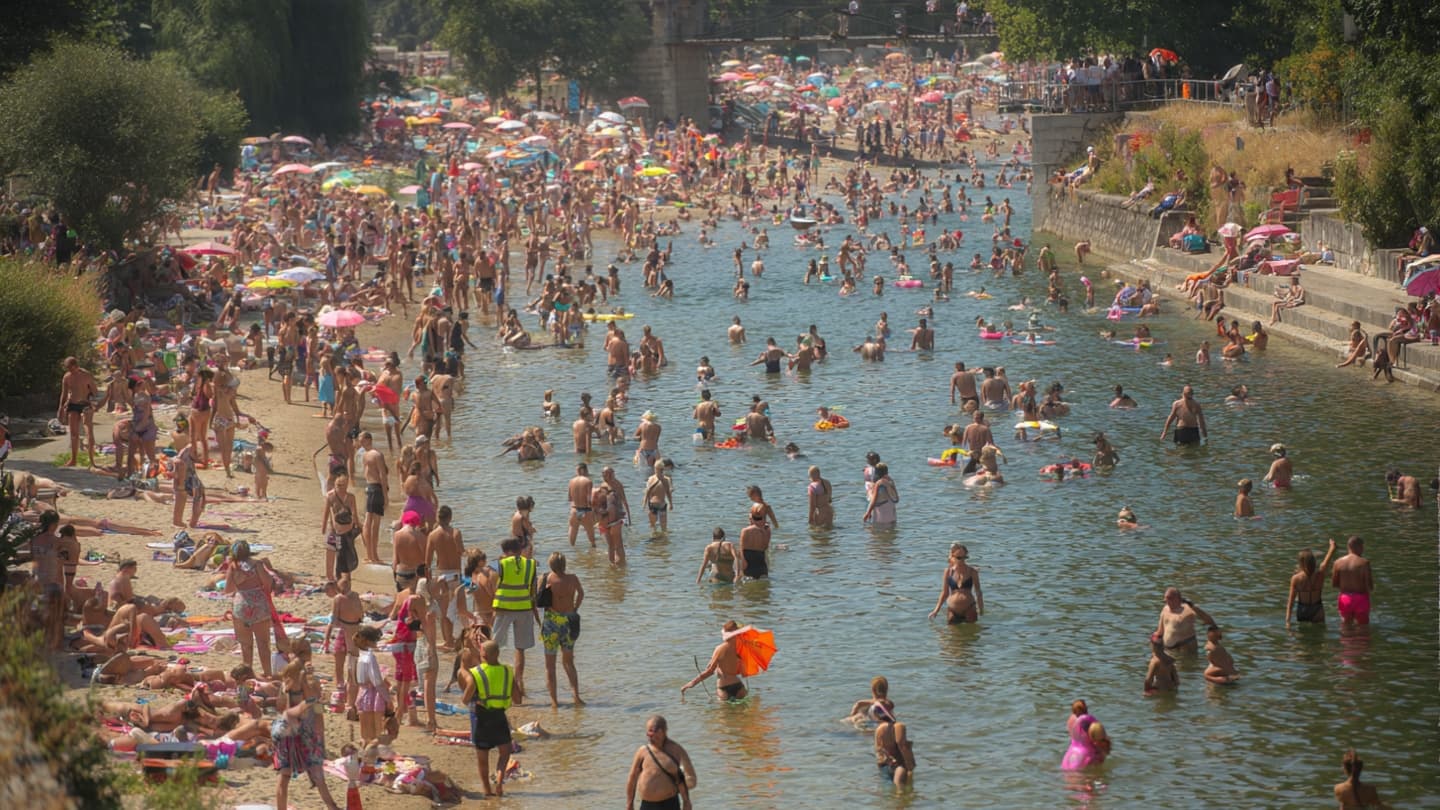
The intense heat has driven many residents and tourists toward natural swimming locations, such as rivers, lakes, and coastal areas, in search of relief from the sweltering temperatures. Unfortunately, many of these locations lack lifeguards or formal safety measures, leading to tragic outcomes. Reports indicate that several victims were young people swimming in unsupervised waters, highlighting the dangers associated with seeking respite from the heat in unsafe environments.
Meteorological agencies across France have issued widespread heat alerts, with some regions experiencing temperatures soaring above 40 degrees Celsius (104 degrees Fahrenheit). The extreme conditions are not limited to France; neighboring countries, including Spain and Italy, are also grappling with the effects of the heatwave. Public health experts emphasize that prolonged exposure to such high temperatures increases the risk of dehydration and heatstroke, but it also heightens the likelihood of water-related accidents.
Experts warn that sudden immersion in cold water, fatigue from heat, and overcrowded swimming areas can create perilous situations for swimmers. In light of these dangers, authorities have renewed their appeals for individuals to swim only in supervised areas, stay hydrated, and avoid entering water alone. Safety campaigns have been launched to emphasize the importance of closely monitoring children near beaches, rivers, and lakes, where the risks are particularly pronounced.
The current heatwave has disrupted transportation systems, strained energy resources, and prompted emergency responses across several European nations. Climate scientists are increasingly noting that heat extremes are becoming more frequent and intense in many regions, raising concerns about the long-term implications of climate change on public health and safety.
As Europe continues to endure these unusually high temperatures, officials are urging vigilance. They stress that simple precautions, such as swimming in designated areas and staying hydrated, can save lives during periods of extreme weather. The ongoing situation serves as a stark reminder of the need for awareness and preparedness in the face of climate-related challenges.
Published by Banx Network. This article is part of the Banx decentralized media programme, powered by the BXE token on the XRP Ledger.




