

Key Highlights
- Severe storms swept through Chicago, causing extensive damage.
- Thousands of residents faced power outages due to downed lines.
- Emergency services mobilized to assist affected neighborhoods.
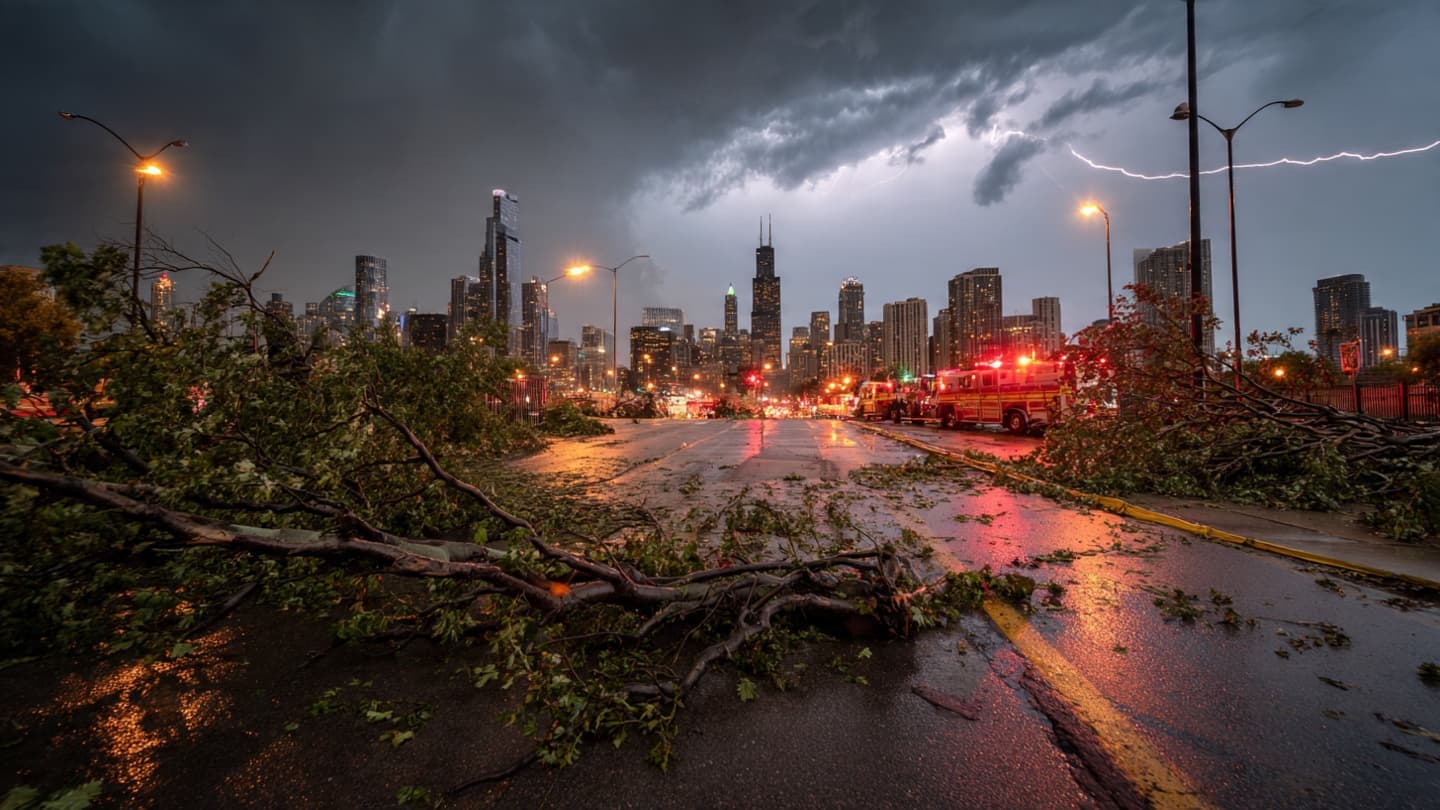
Severe weather recently struck Chicago, reminding residents of the unpredictable nature of summer storms. As powerful winds and heavy rainfall swept through the city, neighborhoods experienced significant disruptions, including fallen trees, damaged infrastructure, and widespread power outages. The storms served as a stark reminder of how closely daily routines are intertwined with the forces of nature.
The initial wave of severe weather hit the region with strong winds and torrential rain. Streets that typically buzzed with the rhythm of daily life transformed into scenes of emergency response. Crews worked tirelessly to clear debris and restore access to affected areas, with reports indicating numerous trees uprooted or damaged by intense gusts. The aftermath of the storm left many residents grappling with the immediate effects of nature's fury.
In the wake of the storms, thousands of households and businesses faced electricity disruptions. Utility crews were dispatched to address damaged power lines and equipment, impacting homes, transportation systems, and commercial activities across the metropolitan area. The outages highlighted the vulnerability of urban infrastructure to extreme weather events, prompting discussions about the need for improved resilience.
Meteorologists had previously warned that atmospheric conditions were ripe for severe thunderstorms. The combination of warm temperatures and unstable air masses created an environment conducive to damaging winds, heavy rain, and localized flooding. Forecast models indicated that the weather system retained enough energy to produce additional storms, raising concerns among residents and officials alike.
As evening approached, weather officials continued to monitor a second round of storm activity. Flash flood warnings were issued in several areas, reflecting fears that already saturated ground could struggle to absorb further rainfall. Low-lying roads and urban drainage systems faced increased pressure, prompting emergency management agencies to advise residents to remain vigilant and avoid flooded roadways.
Beyond the immediate disruptions, storms of this nature often reveal the resilience of communities. Neighbors came together to assist one another, utility workers braved difficult conditions, and local agencies coordinated resources to restore normalcy. These collective efforts became an essential part of recovery after severe weather, showcasing the strength of community bonds in times of crisis.
Scientists have noted that intense weather episodes have garnered increasing attention in recent years as communities assess infrastructure resilience and emergency preparedness. While individual storms cannot be attributed to a single cause, the frequency and intensity of extreme weather events remain a critical subject of ongoing environmental research and public planning. By Thursday, attention remained focused on forecasts and recovery efforts, with officials continuing to assess damage while residents prepared for the possibility of additional storms.
The recent storms in Chicago serve as a reminder of the delicate balance between urban life and the natural environment. As communities navigate the challenges posed by severe weather, the importance of preparedness and resilience becomes ever more apparent.
Published by Banx Network. This article is part of the Banx decentralized media programme, powered by the BXE token on the XRP Ledger.




