
Key Highlights
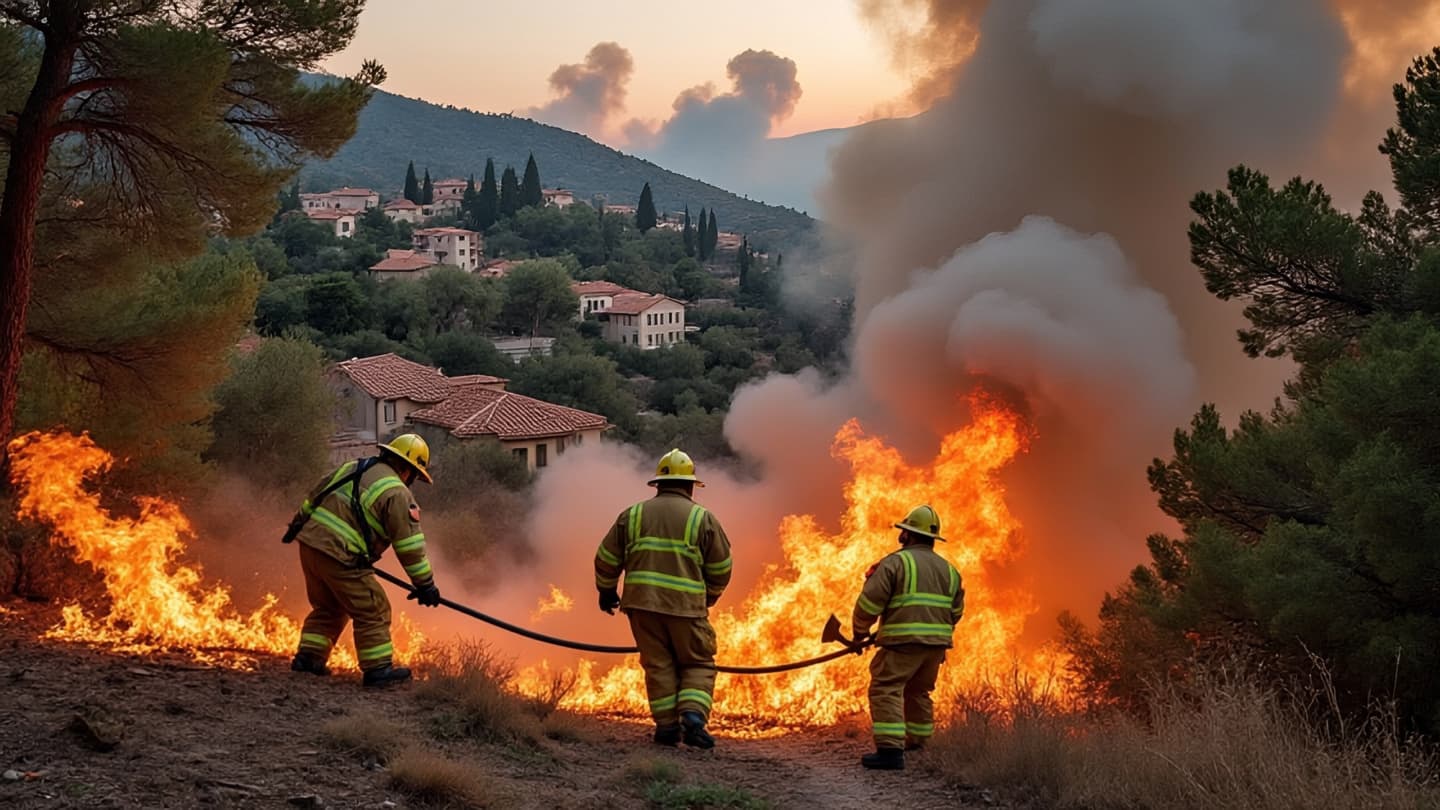
- Wildfires are spreading across southern Europe, affecting France, Spain, Greece, and Portugal.
- Thousands of residents have been evacuated as firefighters battle multiple blazes.
- Meteorological agencies warn of heightened wildfire risks due to extreme heat and dry conditions.
Wildfires have become a devastating reality across southern Europe this summer, as prolonged heat and dry conditions have transformed lush landscapes into fire-ravaged areas. Countries such as France, Spain, Greece, and Portugal are grappling with the consequences of these wildfires, which have prompted mass evacuations and emergency responses. The combination of high temperatures, dry vegetation, and strong winds has created a perfect storm for fire outbreaks, leading to significant challenges for firefighting efforts.
Authorities have ordered the evacuation of thousands of residents from communities threatened by the flames. Emergency crews are working tirelessly, utilizing water-dropping aircraft, helicopters, and ground teams to combat the rapidly spreading fires. Temporary shelters have been established for displaced residents, while road closures and precautionary measures remain in effect to ensure public safety. Officials are urging those in fire-prone areas to heed evacuation orders promptly to avoid potential disasters.
Meteorological agencies have issued warnings about the increased wildfire danger across the Mediterranean region, attributing it to a combination of persistent heat waves and low humidity levels. The strong winds complicate firefighting efforts, as they can carry embers over long distances, igniting new fires beyond existing containment lines. Weather experts predict that these hazardous conditions may persist until cooler temperatures arrive, further exacerbating the situation.
In response to the escalating crisis, European governments have activated national emergency resources, and neighboring countries are providing additional support through regional cooperation. This coordinated response is crucial, as wildfires have become larger and more complex, often overwhelming local emergency services. The collaboration between nations highlights the importance of a united front in tackling the growing threat of wildfires in the region.
Environmental specialists emphasize that while Mediterranean ecosystems have historically experienced seasonal wildfires, recent years have seen an increase in the frequency and intensity of these events. Scientists are actively studying how climate change influences fire behavior, vegetation dryness, and the duration of high-risk periods. Understanding these factors is essential for developing effective strategies to mitigate the impact of wildfires in the future.
As residents return to areas where evacuation orders have been lifted, they are met with varying degrees of damage. Some neighborhoods have been spared significant losses due to rapid firefighting efforts, while others face extensive destruction. The recovery process is expected to be lengthy, as communities assess the impact on homes, farms, and local infrastructure.
Authorities continue to prioritize public safety, monitoring hotspots and preventing new flare-ups. They encourage travelers and local residents to stay informed through emergency alerts and to avoid activities that could inadvertently ignite additional fires during this period of heightened risk. The wildfires sweeping across southern Europe serve as a stark reminder of the ongoing challenges posed by climate change and the need for effective disaster management strategies.
Published by Banx Network. This article is part of the Banx decentralized media programme, powered by the BXE token on the XRP Ledger.



