During periods of extreme heat, water can appear to offer an immediate answer. Rivers, lakes, swimming pools, and coastal areas become places where people search for relief from streets and homes that have grown unbearably warm. In France, however, several people drowned while attempting to escape the heat, drawing attention to the dangers that may accompany a desperate search for coolness.
The incidents occurred as temperatures rose across the country and many residents looked for ways to spend time near water. Swimming can provide comfort during hot weather, but unfamiliar currents, sudden changes in depth, slippery surfaces, and exhaustion can quickly turn a moment of relief into an emergency.
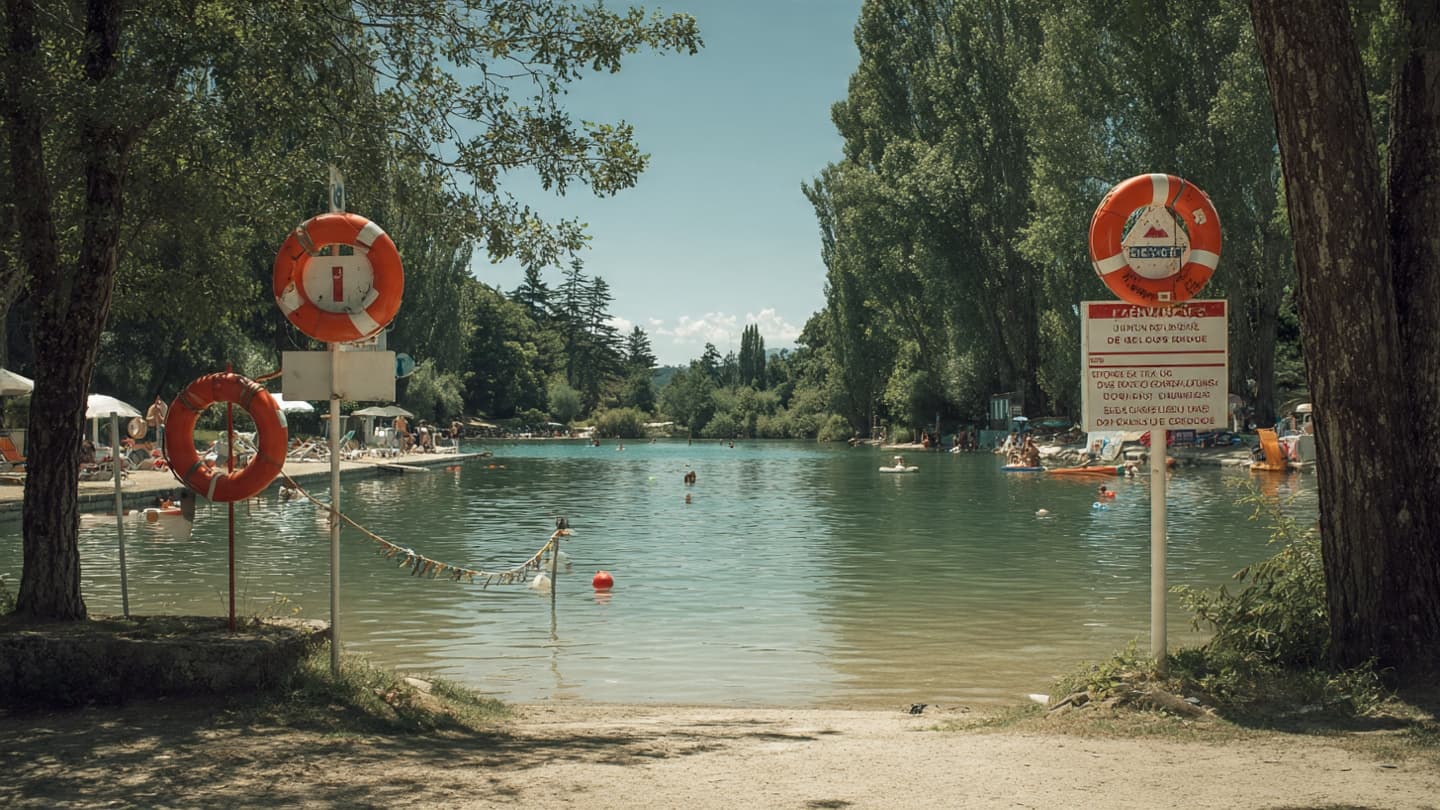
Authorities have repeatedly warned people to choose supervised swimming areas whenever possible. Lifeguards can identify dangerous conditions, respond to distress, and help prevent accidents before they become fatal. Yet during intense heat, crowded or unsupervised locations may attract people seeking a quieter place to cool down.
Rivers and natural waterways can be especially difficult to judge. The surface may appear calm while strong currents move beneath it. Water temperatures can vary, and submerged obstacles may not be visible. A person who enters the water without knowing the surroundings may face risks that are difficult to recognize from the shore.
Fatigue is another concern. People who have spent hours under the sun may already be dehydrated or physically weakened. Entering cold water suddenly can also create discomfort and disorientation, particularly for those who are not experienced swimmers.
The tragedies served as a reminder that extreme weather can create indirect dangers. The heat itself may not be the only threat. It can influence decisions, encourage hurried behavior, and push people toward places that seem safe simply because they offer immediate relief.
Public safety officials have encouraged residents to avoid swimming alone, keep children within close reach, respect warning signs, and remain cautious around rivers, canals, and other natural bodies of water. Wearing appropriate flotation equipment can also be important during boating or water-based activities.
The incidents also highlighted the need for accessible cooling options. Public swimming facilities, shaded parks, community cooling centers, and reliable information can help residents find safer ways to manage high temperatures. When people have limited access to these resources, they may be more likely to seek relief in unfamiliar environments.
Across France, the summer heat continued to shape the movement of daily life. People searched for shade, adjusted their schedules, and turned toward water as temperatures climbed. Yet the loss of life near swimming areas showed that relief must be accompanied by caution, awareness, and respect for the unpredictable nature of water.
AI IMAGE DISCLAIMER: The illustration accompanying this article is AI-generated and is intended for editorial visualization only. It does not represent an actual drowning incident, victim, rescue operation, or official photograph.
SOURCES: Reuters French emergency services French public safety authorities
Published by Banx Network. This article is part of the Banx decentralized media programme, powered by the BXE token on the XRP Ledger.