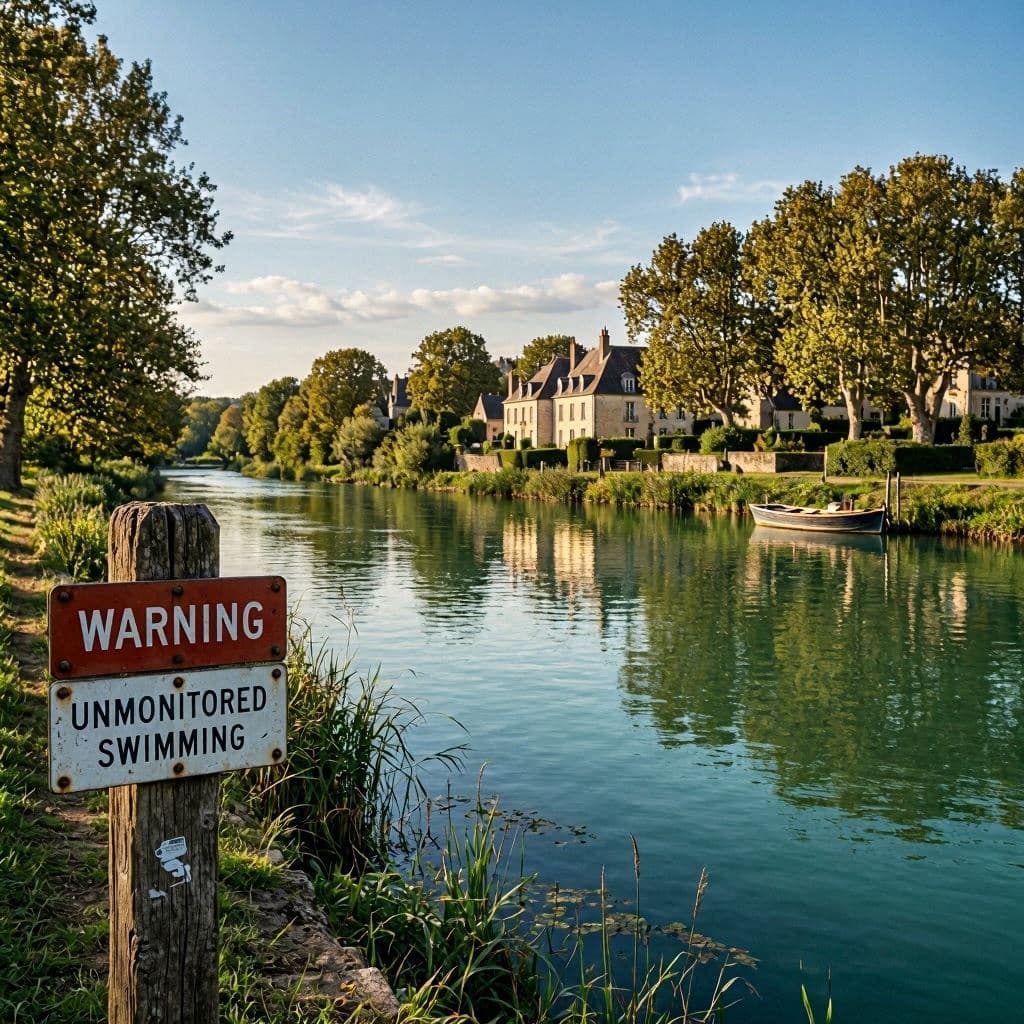
Summer in Europe often draws people toward rivers, lakes, and coastal waters, where the promise of relief from heat becomes especially appealing. These natural spaces usually serve as places of recreation and relaxation. However, during periods of extreme heat, increased water activity can also bring heightened risks, particularly when conditions change faster than people anticipate.
Authorities in France have reported a concerning rise in drowning incidents during the ongoing heatwave, with dozens of cases recorded across various regions. Many of the incidents occurred as people attempted to cool off in rivers, lakes, and unmonitored swimming areas where safety supervision was limited or absent.
Emergency services have been working continuously to respond to calls and recover individuals in affected areas. Rescue teams emphasize that even familiar bodies of water can present hidden dangers, including strong currents, sudden depth changes, and cold-water shock that can affect swimmers unexpectedly.
Officials have reiterated safety guidance, urging residents and visitors to swim only in designated and supervised areas. Lifeguard presence, clear signage, and regulated swimming zones are considered critical in reducing risk, especially during periods of extreme heat when water-related activity tends to increase significantly.
Public health and safety agencies have also launched awareness campaigns reminding people that high temperatures can contribute to fatigue and dehydration, both of which can impair judgment and physical ability in water. These factors can increase the likelihood of accidents, particularly among individuals seeking quick relief from heat.
Meteorologists note that the heatwave affecting France is part of a broader European weather pattern characterized by prolonged high-pressure systems. These conditions not only elevate temperatures but also encourage more outdoor activity near water, indirectly contributing to higher exposure to water-related risks.
Local governments are reviewing safety measures around public swimming areas, including additional signage, expanded lifeguard coverage, and temporary restrictions in particularly hazardous locations. Officials stress that prevention remains a key priority alongside emergency response efforts.
As the heatwave continues, authorities are encouraging caution, awareness, and adherence to safety guidelines. While warm weather often encourages outdoor recreation, officials emphasize that informed decisions can significantly reduce risk and help prevent further tragedies during periods of extreme environmental stress.
AI-generated image disclaimer: The images accompanying this article are AI-generated visual representations intended for editorial use and do not depict real incidents or individuals.
Source verification check: Reuters, BBC News, The Guardian, France 24, French Interior Ministry
Published by Banx Network. This article is part of the Banx decentralized media programme, powered by the BXE token on the XRP Ledger.
.jpg&w=3840&q=75 "Man Tapes Ears to His Head in Bizarre Attempt to Enter Poland With False Passport")