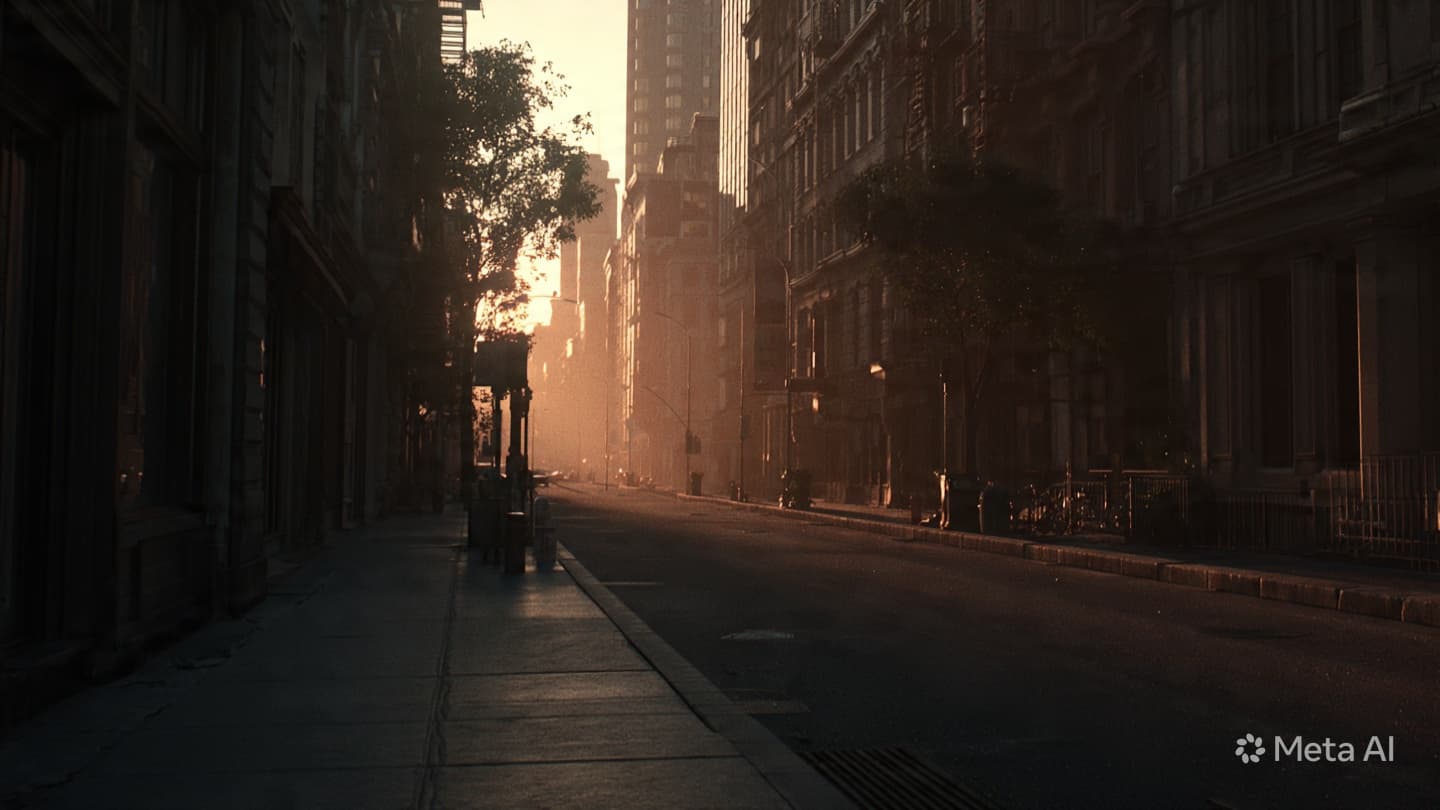
The horizon shimmers with a liquid, distorted light, turning the familiar streets into a vast, radiating plate of steel and stone. Here, in the heart of the afternoon, time seems to lose its steady rhythm, stalling under the weight of an atmosphere that refuses to relinquish its grip. The air is thick, pressing against the lungs with an invisible pressure that settles into the lungs like dust. One observes the city not as a collection of structures, but as a living entity struggling to find its breath, a vast organism caught in the clutches of an unforgiving, unyielding thermal embrace.
In the quiet corridors of emergency departments, the hum of fluorescent lights is punctuated by the rhythmic, sharp urgency of monitors and the constant cadence of incoming reports. This is a space where the outside world’s intensity is distilled into singular moments of fragility. Staff move with a measured, disciplined grace, their faces masks of calm resolve amidst a storm of mounting necessity. Every breath drawn in these halls is a testament to the quiet, persistent effort to hold the line against an encroaching, invisible adversary.
Outside, the pavement radiates a deep, stored energy that lingers long after the sun begins its slow descent. Vehicles move in slow, sluggish processions, and the silence of the streets is deceptive, masking the silent stress mounting within the city’s vital infrastructure. The calls to service arrive in waves, a steady, relentless tide that tests the endurance of systems designed for normalcy, not for the extremes that have begun to define our modern seasons. Each call represents a household, a life, a moment of profound vulnerability suddenly brought to the threshold of public awareness.
Observations from the field paint a picture of a society pressed to its margins. The cooling systems hum at their maximum capacity, yet they struggle to overcome the sheer volume of heat trapped within the city’s dense urban fabric. One notes the way the light catches the sweating brow of a responder, the way a brief moment of shade becomes a temporary sanctuary, a brief respite from the relentless pressure of the day. It is an environment where the boundary between public space and personal refuge has blurred, leaving everyone exposed to the shifting moods of the climate.
The narratives emerging from the triage centers are rarely about the grand scale of the event, but rather about the small, human costs of a world turning hotter. There is a quiet, contemplative atmosphere in these rooms, a shared understanding that the limits of our preparedness are being quietly, inevitably tested. One watches as families wait, as staff iterate through the protocols of care, all while the persistent, ambient hum of the heat continues to pulse through the very walls of the building. It is a slow, unfolding story of persistence in the face of an elemental challenge.
Reflecting on these scenes, one finds a profound sense of interconnectedness. The challenges faced by the emergency services are not isolated incidents but symptoms of a wider shift in our relationship with the environment. Every ambulance ride and every admission is a data point in a larger, more complex narrative about the vulnerability of our collective systems. We are learning, perhaps too slowly, that our structures require a new level of resilience to weather these cycles, yet we find ourselves in the midst of the learning curve, with the heat as our primary, unforgiving instructor.
As the sun dips lower, casting long, bruised shadows across the brickwork, the pressure does not dissipate; it merely transforms. The evening brings its own challenges, a different kind of intensity as the warmth refuses to bleed away into the cooling night. One walks through the city, feeling the residual heat emanating from the walls, a reminder that the environment does not reset in the way our calendars suggest. There is a sense of waiting, of a city holding its breath for a change in the wind, for the return of a more tempered, manageable sky.
In the end, the experience of these days is one of profound, observational patience. We are observing the limits of our comfort, the edges of our capacity, and the quiet heroism of those who stand between the individual and the raw forces of the day. The story is not one of dramatic failure, but of an unrelenting, quiet struggle to adapt, to manage, and to provide comfort. It is a testament to the enduring human spirit that, even in the heat of a crisis, the work continues, steady and resolved, into the unfolding night.
Current reports indicate that hospitals across affected regions are facing significant strain due to a surge in heat-related emergency admissions. Public health authorities note that the volume of patients exhibiting signs of dehydration, heat exhaustion, and secondary complications has exceeded typical seasonal averages. Medical facilities have initiated surge capacity protocols to manage the influx while continuing to provide essential care to all patients. Officials urge the public to utilize local cooling resources and maintain hydration as high-temperature alerts remain in effect for the duration of the weather event.
Published by Banx Network. This article is part of the Banx decentralized media programme, powered by the BXE token on the XRP Ledger.