

Key Highlights
- Record Heat:June 2026 became the hottest June in UK history.
- Daily Life Impact:Schools and transport networks adapted to extreme temperatures.
- Climate Change Concerns:Scientists warn of increasing frequency of heatwaves.
The passing of seasons has long offered people a familiar rhythm, marking the steady movement of time through predictable patterns. Yet every so often, nature presents a reminder that those patterns are changing. Across the United Kingdom, June 2026 has become such a reminder, drawing attention not only because of unusually high temperatures but also because of the broader conversation surrounding a warming climate.
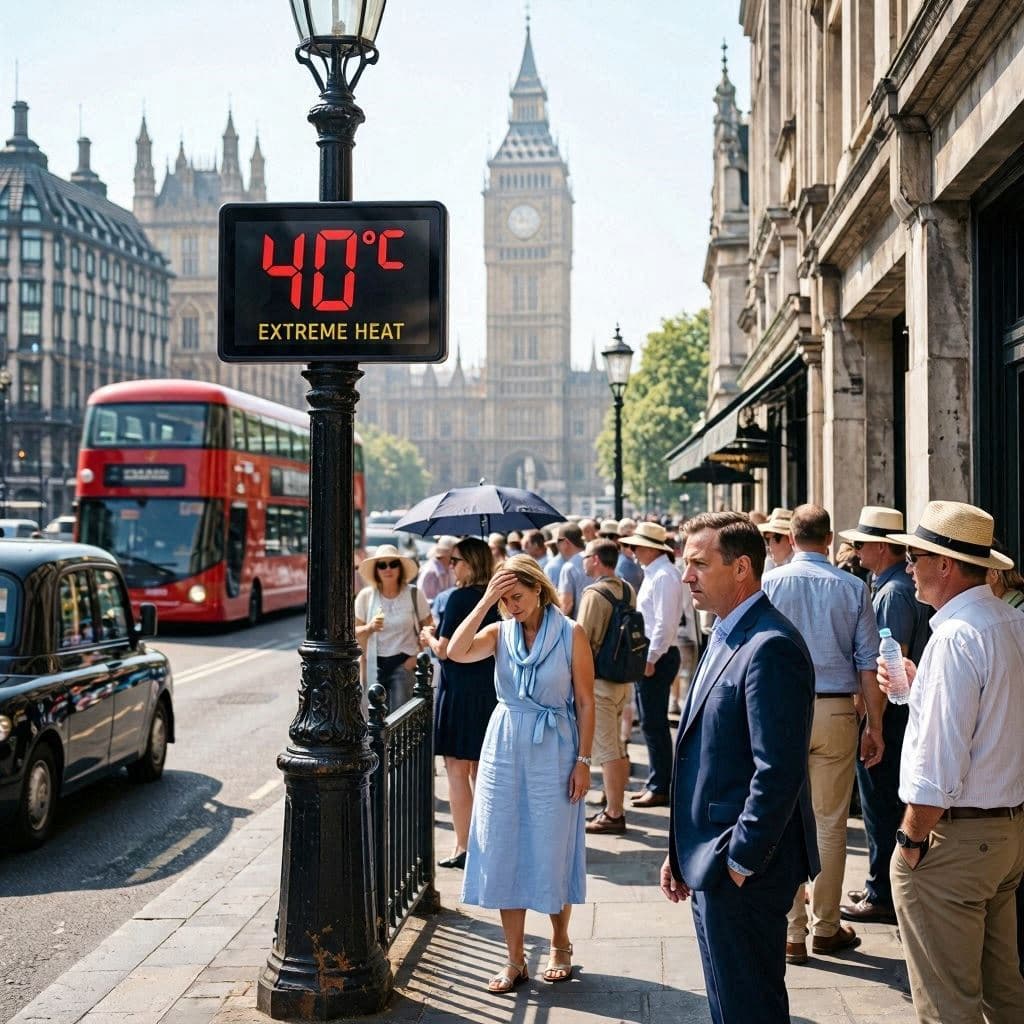
According to the UK's national weather authorities, June 2026 became the hottest June since records began, with temperatures soaring to unprecedented levels. Several regions experienced prolonged periods of heat, with conditions more commonly associated with the height of summer rather than the beginning of the season. This milestone has attracted the attention of scientists, policymakers, and local authorities alike, all of whom are grappling with the implications of such extreme weather.
The extended heat affected daily life in various ways. Transportation networks introduced precautionary measures to mitigate the risk of infrastructure damage caused by high temperatures. Schools adjusted schedules where necessary, and healthcare providers reminded residents to stay hydrated and limit outdoor activities during the hottest hours of the day. These adaptations highlight the immediate impact of climate change on everyday life.
Meteorologists explained that individual heatwaves are influenced by several atmospheric factors, but they also noted that long-term climate trends have increased the likelihood and intensity of extreme heat events. Scientific observations collected over many years continue to indicate that rising global temperatures are making such episodes more frequent across many parts of Europe, raising alarms about the future.
The impact of the heatwave reached beyond urban areas. Farmers closely monitored crops for signs of heat stress, while water companies encouraged responsible consumption as demand surged during the hottest days. Environmental agencies maintained vigilant observation of rivers, reservoirs, and natural habitats that may become increasingly vulnerable during extended periods of dry weather. This interconnectedness of climate impacts underscores the need for comprehensive strategies to address these challenges.
Emergency services remained on high alert throughout the heatwave. Fire authorities warned that dry vegetation could elevate the risk of wildfires, particularly in grasslands and open countryside. Public information campaigns encouraged residents to report signs of fire quickly and to avoid activities that might unintentionally ignite dry landscapes. The proactive measures taken by emergency services reflect the urgent need for community awareness and preparedness.
Climate researchers emphasized that adaptation is becoming an increasingly important part of public planning. Investments in resilient infrastructure, improved urban design, expanded green spaces, and stronger emergency preparedness are viewed as practical measures that can reduce the impact of future extreme weather events. As communities continue broader efforts to address climate change, these strategies will be crucial in mitigating risks and enhancing resilience.
Although the record-setting temperatures may eventually be surpassed in future years, the events of June 2026 have already become an important reference point for scientists studying climate patterns in the United Kingdom. Officials continue to monitor conditions while encouraging both long-term planning and everyday preparedness as the country adapts to a changing environment.
AI-generated image disclaimer: The accompanying illustrations are AI-generated visual interpretations intended to support the article and do not represent actual photographs.
Published by Banx Network. This article is part of the Banx decentralized media programme, powered by the BXE token on the XRP Ledger.




