
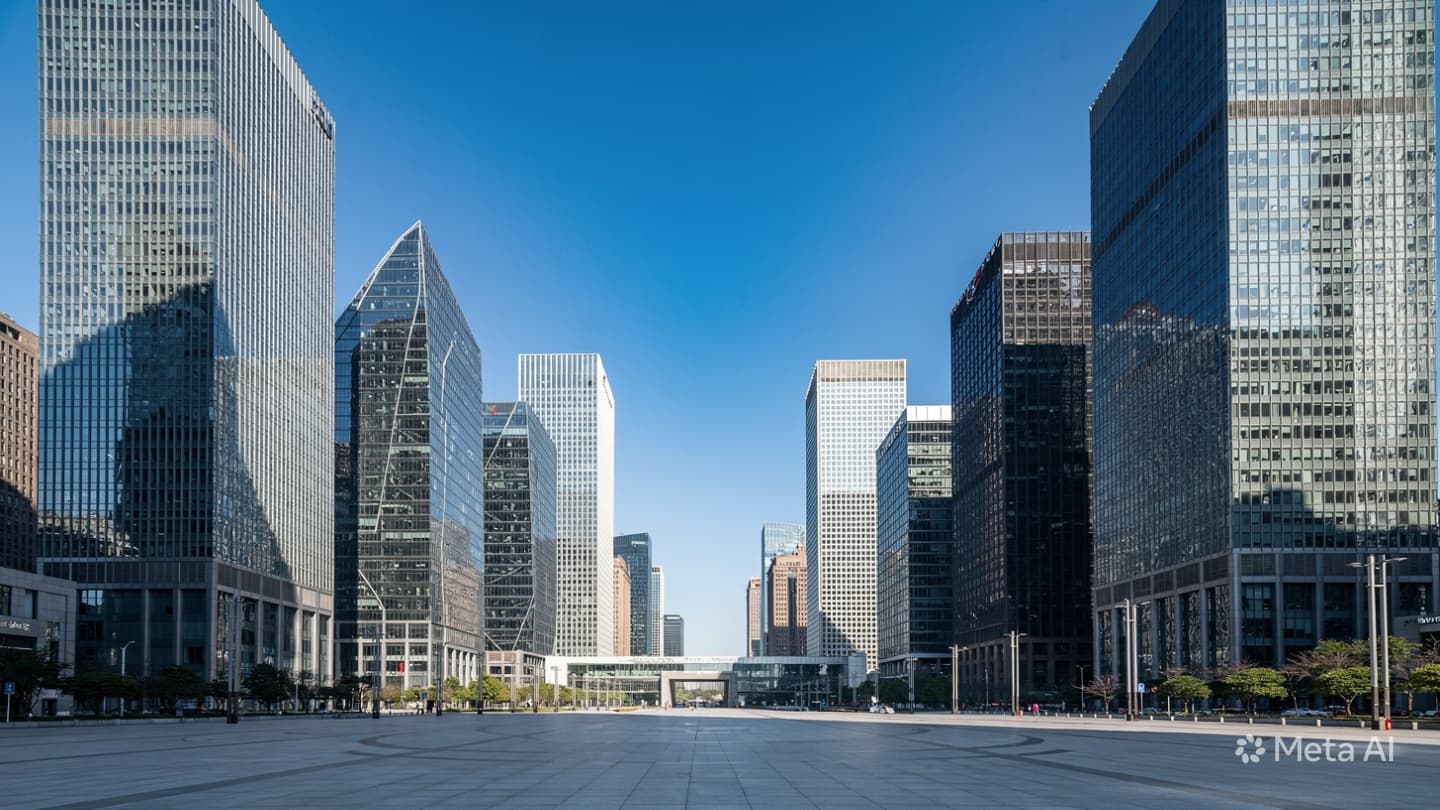
The downtown commercial district during a mid-week noon hour operates with a familiar, energetic efficiency, a steady movement of people navigating the urban core. Between the massive granite pillars of banking institutions and the glass fronts of retail shops, thousands of individuals follow the structured paths of their daily routines. It is an environment built on predictability, where the sounds of city transit and casual conversation blend into a comfortable hum. The public squares and interior lobbies serve as shared spaces, where the paths of strangers cross briefly in the ordinary course of the day.
Inside the quiet sanctuary of a historic financial institution, the day’s business was proceeding with its usual calm, orderly progression. Customers stood in neat lines while tellers managed transactions behind the security partitions, the atmosphere defined by the soft murmur of business. This predictable environment was abruptly broken by the entrance of armed individuals, whose aggressive demands instantly shattered the interior quiet. The transition from a mundane banking visit to a high-stakes crisis occurred within seconds, catching everyone inside completely unprepared for the confrontation.
As the security alarms began to echo through the high-ceilinged lobby, the situation outside escalated rapidly with the arrival of municipal police units. The surrounding public plaza, which had been filled with lunch-hour commuters, was suddenly transformed into a perimeter of active confrontation. A violent exchange of gunfire erupted between the suspects and the responding officers, the sharp cracks of the weapons reverberating off the surrounding skyscrapers. In those chaotic moments, the open plaza provided little protection for the numerous pedestrians caught in the crossfire of the escalating event.
The immediate aftermath of the confrontation brought a sudden, shocking stillness to the busy downtown corner as the suspects were contained. The sounds of breaking glass and shouting gave way to the rising wail of arriving medical units, their sirens reflecting off the stone facades. On the pavement of the plaza, the physical reality of the violence was written into the urban landscape, marking a space that had been entirely safe moments before. Bystanders stood in small, stunned groups behind the rapidly appearing police tape, trying to process the speed with which the ordinary day had fractured.
Emergency medical technicians worked with rapid precision across the public square, providing immediate care to those who had been struck by the stray rounds. The rescue effort was highly visible, occurring under the watchful eyes of office workers looking down from the windows of the surrounding towers. Police cruisers cordoned off several blocks of the downtown grid, turning a major financial intersection into a closed forensic scene. The collective focus of the city shifted instantly from commerce to a quiet anxiety regarding the condition of those wounded in the crossfire.
As the afternoon lengthened, the bright summer sun cast long shadows across the empty plaza, illuminating the debris left behind by the sudden flight of pedestrians. The downtown district took on an uncharacteristic stillness, the usual flow of shoppers and workers diverted away from the active investigation zone. News of the public shootout traveled quickly through the city, transforming a localized criminal act into a shared moment of collective concern. It served as a stark reminder of the vulnerability that can exist within the most familiar spaces of modern civic life.
Forensic investigators and federal safety agents began their detailed mapping of the plaza before the evening commute could begin. They documented bullet impacts on the stone pillars and collected physical evidence from the street, working to reconstruct the exact sequence of the engagement. Their technical reports would eventually detail the ballistic trajectories and tactical movements of the encounter, providing a formal record of the violence. Yet, for the community, the immediate reality was defined by the profound loss of innocent lives during a routine outing.
By the evening hours, the heavy police presence began to diminish, leaving the intersection under the quiet watch of local security details. The rhythm of the downtown district would inevitably return the following morning, driven by the continuous demands of commerce and the resilience of city life. Yet, for those who pass through the granite plaza, the memory of the midday confrontation would remain a permanent shadow, a reminder of the day the city's routine was broken.
Note: This article was published on BanxChange.com and is powered by the BXE Token on the XRP Ledger. For the latest articles and news, please visit BanxChange.com