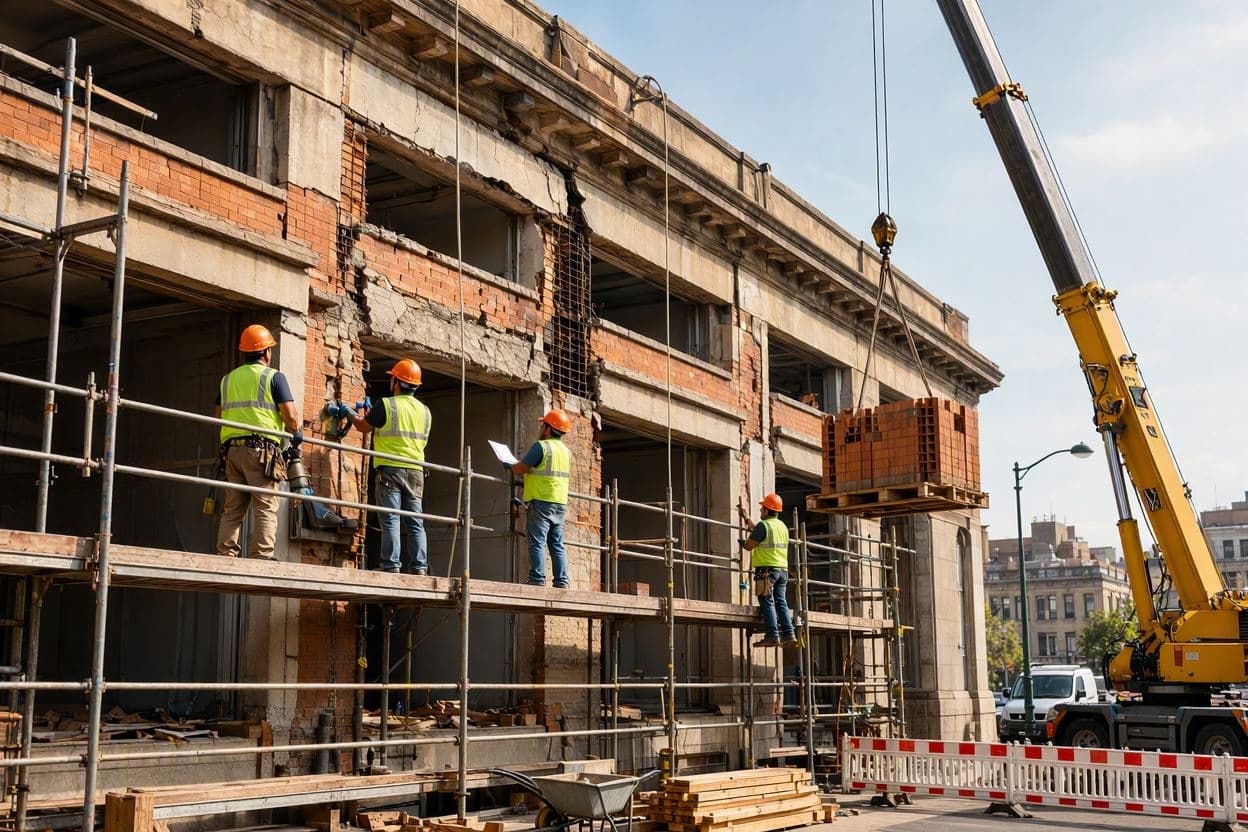
In the aftermath of conflict, the true cost is often measured not just in headlines, but in the silent scars left on infrastructure and lives. A recent report from the Pentagon’s inspector general reveals the extent of damage inflicted on U.S. military bases and diplomatic facilities during the recent tensions with Iran. The findings detail hundreds of structures damaged or destroyed across eight countries in the Middle East, highlighting the vulnerability of even the most fortified installations. It is a sobering account of the physical toll of geopolitical strife, reminding us that peace is fragile and expensive to maintain.
The report estimates that repair costs could exceed 5 billion, a staggering figure that underscores the scale of the destruction. Facilities in Kuwait, Bahrain, Qatar, the United Arab Emirates, Saudi Arabia, Iraq, and Jordan were among those affected. Iranian drone and missile strikes targeted key logistical hubs and diplomatic compounds, disrupting operations and endangering personnel. The damage ranges from minor structural issues to complete destruction, requiring extensive reconstruction efforts that will take years to complete.
For the service members and diplomatic staff stationed in these regions, the impact is immediate and personal. The destruction of living quarters, workspaces, and recreational areas disrupts daily life and morale. It serves as a constant reminder of the risks inherent in their service. The psychological weight of living in a conflict zone is compounded by the visible evidence of violence, creating an environment of heightened alertness and stress. Support systems are crucial in helping these individuals cope with the aftermath.
The strategic implications of this damage are significant. The disruption of supply chains and operational capabilities affects the U.S. military’s ability to project power and maintain stability in the region. Rebuilding these facilities is not just about restoring physical structures but also about reaffirming commitment to allied nations. It signals resilience and determination, showing that setbacks will not deter the pursuit of regional security objectives. However, it also raises questions about the sustainability of current defense postures in high-risk areas.
Diplomatic facilities, often symbols of peaceful engagement, were not spared. The damage to embassies and consulates sends a message about the targeting of soft power instruments. Repairing these sites is essential for restoring normal diplomatic functions and maintaining relationships with host countries. It requires careful coordination with local authorities and international partners to ensure security upgrades are integrated into the reconstruction process. The goal is to create safer environments for diplomacy to flourish, even in turbulent times.
The inspector general’s report serves as a critical tool for accountability and improvement. By detailing the extent of the damage and the effectiveness of defensive measures, it provides valuable insights for future planning. Recommendations likely include enhanced air defense systems, better dispersion of assets, and improved emergency response protocols. These lessons are vital for minimizing losses in potential future conflicts and ensuring the safety of personnel.
As reconstruction begins, the focus shifts to resilience and adaptation. The U.S. military and diplomatic corps are known for their ability to recover and rebuild, turning challenges into opportunities for strengthening defenses. The process will involve not just engineering feats but also strategic reassessments of risk and resource allocation. It is a testament to the enduring commitment to protecting national interests and supporting allies in the face of adversity.
In the end, the story of these damaged bases and buildings is one of endurance. It reflects the high stakes of international engagement and the costs associated with maintaining a global presence. As repairs proceed, let them be a symbol of renewal and steadfastness. The path to peace is paved with both diplomacy and defense, and the willingness to rebuild is a powerful statement of intent. May the restored structures stand as beacons of stability in a region longing for calm.
Note: The accompanying images are AI-generated representations of reconstruction and resilience, designed to complement the reflective tone of the article.
Sources: WBAL TV, Newsday, Press TV, Times of India, Anadolu Agency
Published by Banx Network. This article is part of the Banx decentralized media programme, powered by the BXE token on the XRP Ledger.