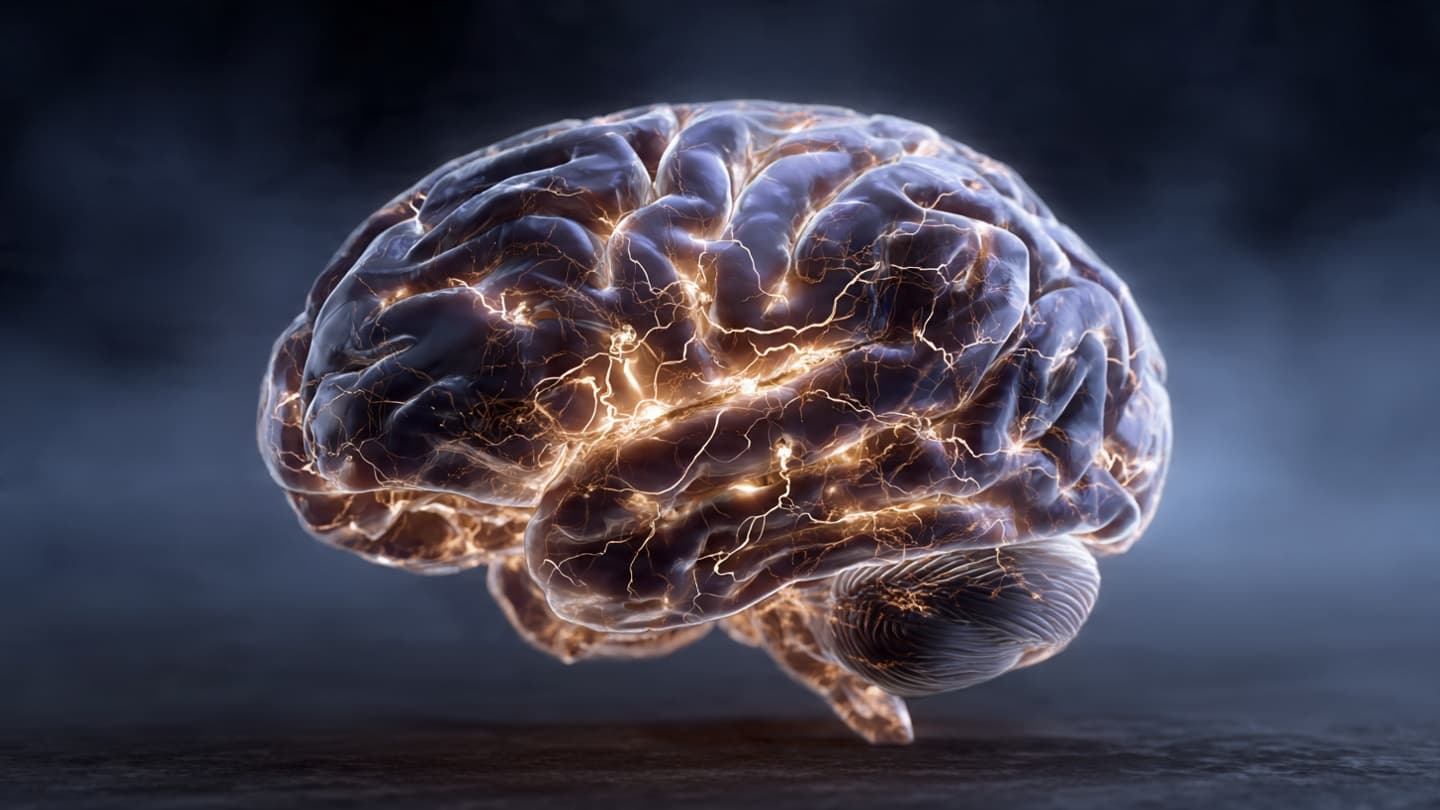
The human brain is often described as a remarkable archive of experience, capable of storing vast amounts of information across a lifetime. Yet recent scientific findings suggest that this archive is far more sensitive to emotional conditions than previously understood.
Neuroscientists have observed that stress can significantly interfere with the brain’s ability to form new memories. This disruption is linked to hormonal activity that affects key regions responsible for learning and information processing.
The hippocampus, a central structure in memory formation, plays a crucial role in organizing and encoding experiences. When stress hormones such as cortisol rise, the efficiency of this process may be reduced.
As a result, information encountered during periods of high stress may be stored less effectively, leading to fragmented or incomplete recall later on.
Researchers note that this does not mean memories are erased, but rather that their formation becomes inconsistent under pressure.
This effect can be observed in everyday situations such as examinations, workplace deadlines, or emotionally intense experiences where recall may later feel uneven or unclear.
The findings also highlight broader implications for education systems and workplace environments, where chronic stress may unintentionally affect cognitive performance.
At the same time, scientists emphasize the adaptability of the brain, noting that recovery and resilience mechanisms can help restore memory function once stress levels decrease.
As research continues, understanding how stress interacts with memory may help improve strategies for learning, mental health, and human well-being.
AI Image Disclaimer: Images in this article are AI-generated for editorial illustration purposes only.
Sources: Nature Neuroscience, Harvard Medical School, NIH Research, ScienceDaily, Reuters Health Desk
Published by Banx Network. This article is part of the Banx decentralized media programme, powered by the BXE token on the XRP Ledger.