
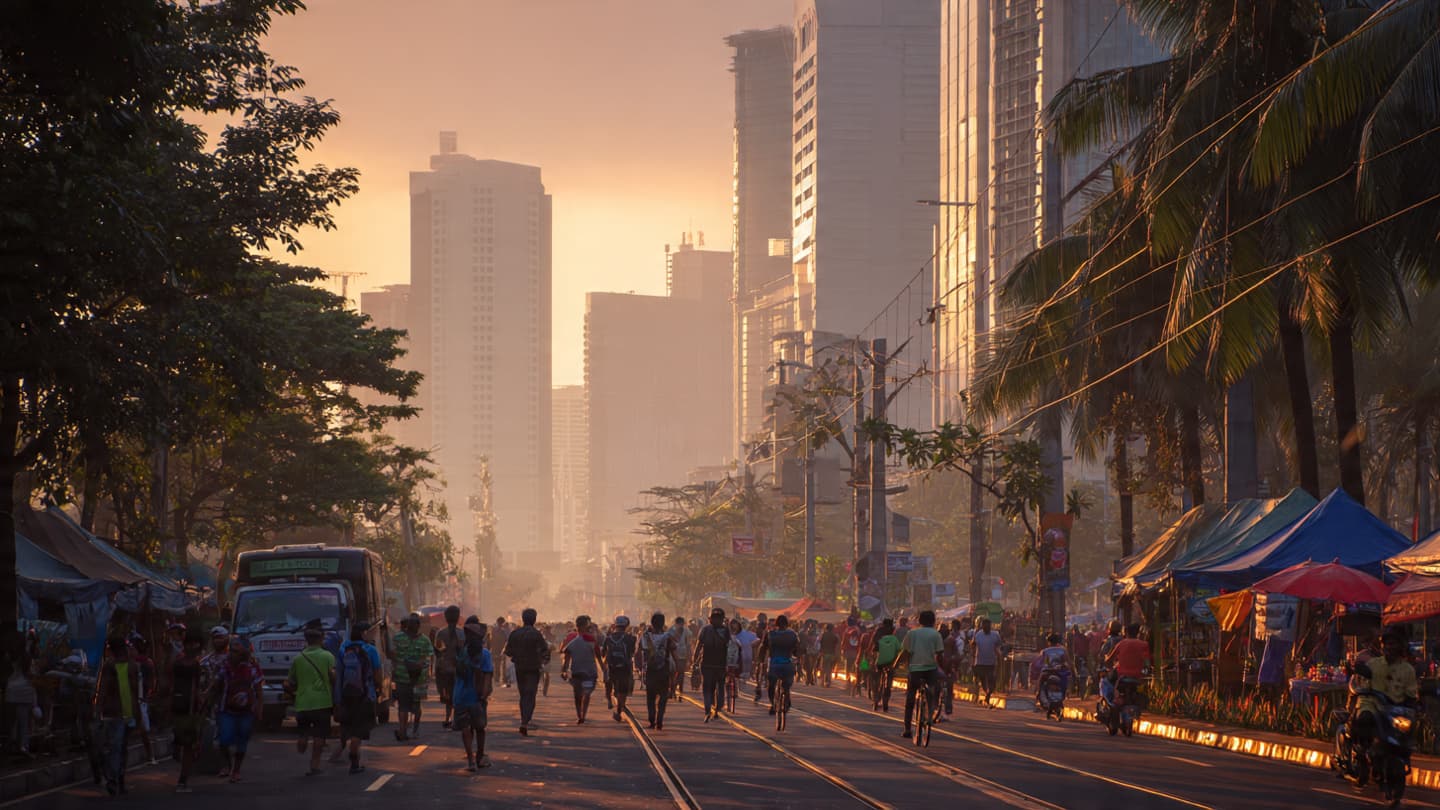
Cities often reveal a different rhythm when the usual flow of traffic pauses, as if a long-held breath is finally released. In that brief silence, streets can transform into shared spaces where movement feels lighter and more human.
The reopening of Car Free Day (CFD) on Rasuna Said in Jakarta has drawn noticeable public enthusiasm. Residents returned to the area to experience a familiar yet renewed atmosphere where vehicles give way to pedestrians and cyclists.
Morning hours along the corridor filled with community activities, from light exercise to informal gatherings. The absence of heavy traffic allowed participants to move more freely and interact in a calmer urban setting.
Such events are often seen as small but meaningful interruptions to the city’s daily pace. They offer a glimpse of how urban spaces can function beyond their primary role as transport corridors.
Environmental observations during CFD periods have generally indicated improved air quality and reduced noise levels. These conditions contribute to a more comfortable atmosphere for residents engaging in outdoor activities.
Local authorities continue to monitor public response and environmental impact as part of broader urban planning efforts. The data collected helps inform decisions on future implementations of similar programs.
For many residents, CFD is not only about cleaner air but also about reclaiming communal space in a densely populated city. It becomes a weekly reminder of how flexible urban life can be.
The reopening of CFD Rasuna Said reflects an ongoing effort to balance mobility, environment, and public well-being in Jakarta’s evolving landscape.
Images in this article are AI-generated for illustrative purposes showing urban Car Free Day activities.
Sources: Kompas.com, Dinas Lingkungan Hidup DKI Jakarta
Note: This article was published on BanxChange.com and is powered by the BXE Token on the XRP Ledger. For the latest articles and news, please visit BanxChange.com