
Key Highlights
- Military operations by Israel are underway in southern Lebanon.
- U.S.-hosted diplomatic talks are expected to influence regional dynamics.
- Local communities face disruptions amid military movements.
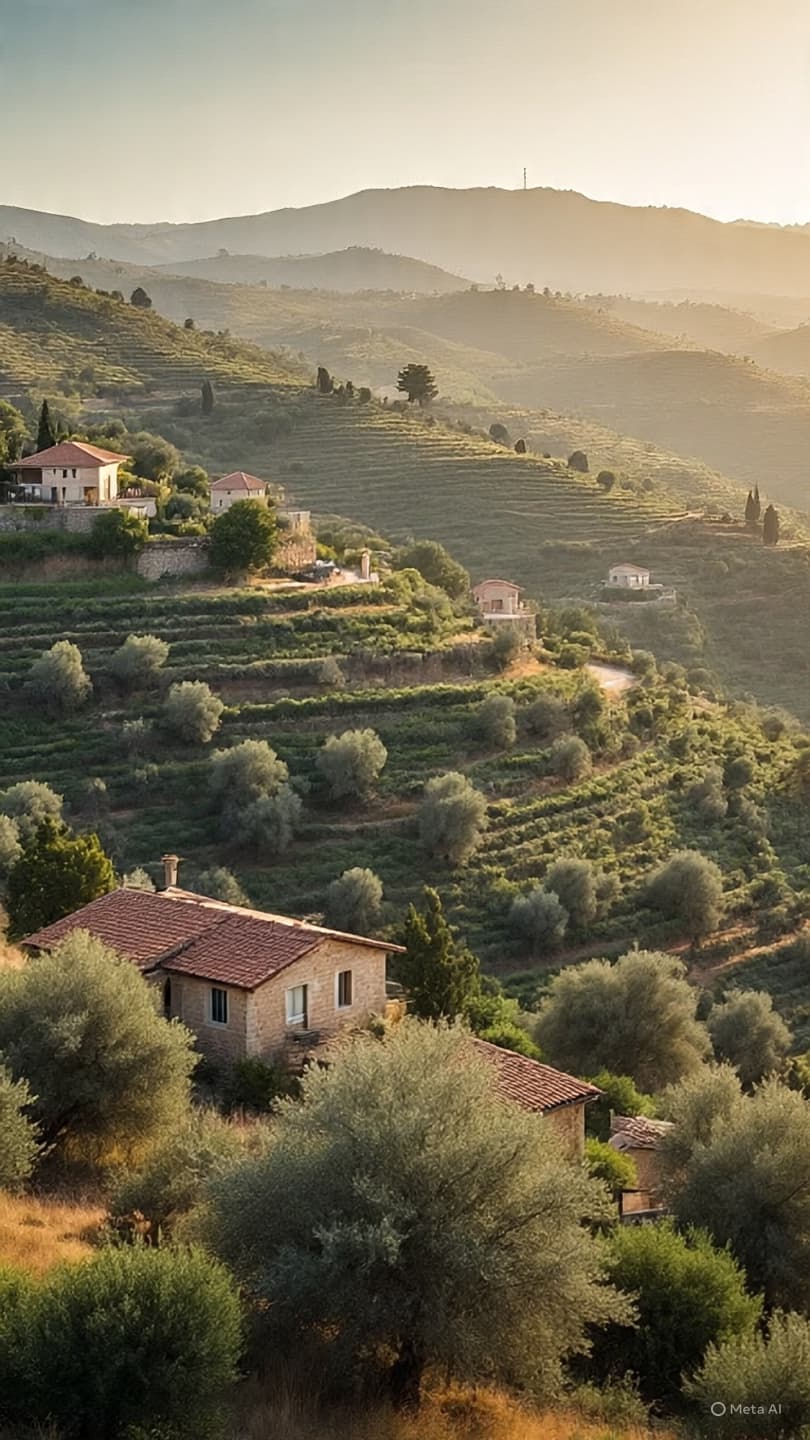
In the hills where southern Lebanon leans quietly against its border, the land rises in uneven lines—olive groves, stone houses, and narrow roads threading through terrain that has long held more than geography. Here, proximity carries memory. Each ridge and valley reflects years of tension that ebb and return like a tide that never fully recedes.
It is in this landscape that Israel has launched a military operation aimed at seizing a border town, a move described as part of efforts to secure strategic ground ahead of talks expected to be hosted by the United States. This development folds into a wider moment in which military action and diplomatic intention move in parallel, each shaping the conditions of the other.
Border towns in this region often exist in a state of suspended normalcy—daily life continuing under the awareness that larger forces may, at any moment, draw closer. The reported advance by Israeli forces reflects a tactical calculation, one that considers both terrain and timing, particularly as discussions loom that may influence the next phase of engagement between the parties involved.
Such operations are rarely isolated. They unfold within a broader context that includes ongoing tensions with Hezbollah, whose presence in southern Lebanon has been a defining factor in the region’s security dynamics. The border itself, marked but never entirely fixed in its meaning, has seen periods of escalation and relative quiet, each leaving its imprint on the landscape.
The mention of U.S.-hosted talks introduces another dimension to the moment. Diplomatic gatherings often carry the weight of expectation, yet they are frequently preceded by movements on the ground that shape the environment in which negotiation occurs. Control of territory, even temporarily, can influence leverage, perception, and the framing of discussion.
For communities in the area, the distinction between strategic objective and lived experience can blur. The approach of military forces alters not only physical space but also the rhythm of daily life—roads become uncertain, homes more closely watched, and routines quietly adjusted in response to unfolding events.
International observers tend to view such developments through a dual lens: as immediate security actions and as signals within a larger diplomatic narrative. The convergence of military movement and impending talks suggests a moment in which both sides are positioning themselves, not only on the ground but within the broader language of negotiation.
The United States, in hosting discussions, steps into its familiar role as mediator, though the outcomes of such efforts are rarely determined in advance. Dialogue, even when carefully arranged, must contend with realities shaped by events that precede it—realities that often include shifts in control, influence, and perception.
As the situation continues to develop, the border town becomes more than a point on a map. It becomes a focal space where intention, action, and consequence intersect. What is taken or held in these moments carries implications that extend beyond the immediate horizon.
In the days ahead, as talks begin and positions are clarified, the relationship between what has occurred on the ground and what is said across negotiation tables will become more visible. The two are rarely separate; each informs the other in ways both direct and subtle.
For now, the hills remain, their contours unchanged even as the meaning of the space they hold continues to shift. In this region, where history moves alongside the present, each new development adds another layer to a landscape already shaped by many.
Published by Banx Network. This article is part of the Banx decentralized media programme, powered by the BXE token on the XRP Ledger.



