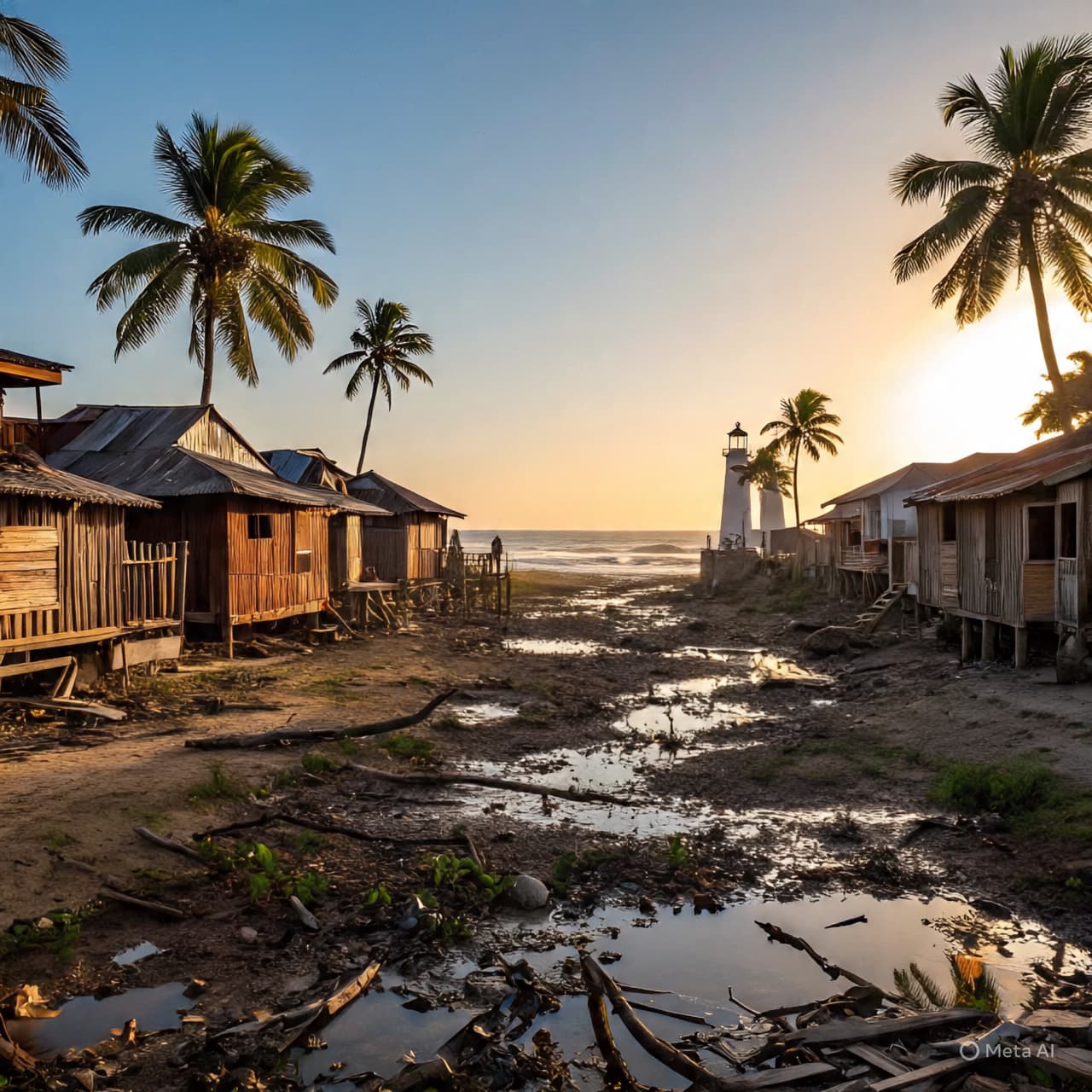
In the Caribbean, storms rarely depart cleanly. They leave traces—salt on windows, broken branches on quiet streets, and sometimes dangers that do not roar but whisper. Jamaica is now navigating one of those quieter threats after Hurricane Melissa, where the true aftermath did not surge with waves but surfaced in the water.
Officials have confirmed a deadly bacterial outbreak that emerged in the storm’s wake, a reminder that natural disasters do not simply destroy—they reshape the daily rhythms of safety and risk. The island, accustomed to the choreography of hurricane preparation, now finds itself confronting a far less predictable foe: contaminated water systems disrupted by flooding, overwhelmed drainage channels, and sanitation networks strained by weeks of rain.
Public health authorities described the outbreak as a fast-moving challenge, one that requires tracing dozens of suspected cases and responding with the speed usually reserved for hurricane alerts. The country’s medical teams have expanded surveillance in high-risk communities, especially those where floodwaters lingered longest and where debris has slowed cleanup operations.
For residents, the shift from storm recovery to outbreak containment has been disorienting. One week they were repairing roofs; the next they were boiling water and watching for symptoms. The government has deployed emergency response units to distribute supplies, while hospitals have tightened protocols to manage potential surges in patients requiring urgent care.
The economic ripple is equally real. Tourism operators—many still restoring beachfronts and repairing power systems—now weigh how to communicate the situation responsibly without undermining visitor confidence. For an island whose economy leans heavily on hospitality, clarity and caution must move in tandem.
Yet, amid the uncertainty, the tone from Jamaican officials has remained measured. The outbreak, though serious, is being treated with precision: targeted warnings, localized restrictions, and transparent briefings. They have emphasized that the situation is manageable with proper sanitation, heightened awareness, and swift medical intervention. Even so, the episode exposes a deeper truth about climate-intensified storms: the threat is not only in the wind but in what the water carries long after the skies clear.
In the end, the island’s story is one of resilience paired with vigilance. Hurricane Melissa may have exited the Caribbean’s weather maps, but its imprint lives on in the systems, communities, and health infrastructure working to contain what it left behind.
Published by Banx Network. This article is part of the Banx decentralized media programme, powered by the BXE token on the XRP Ledger.