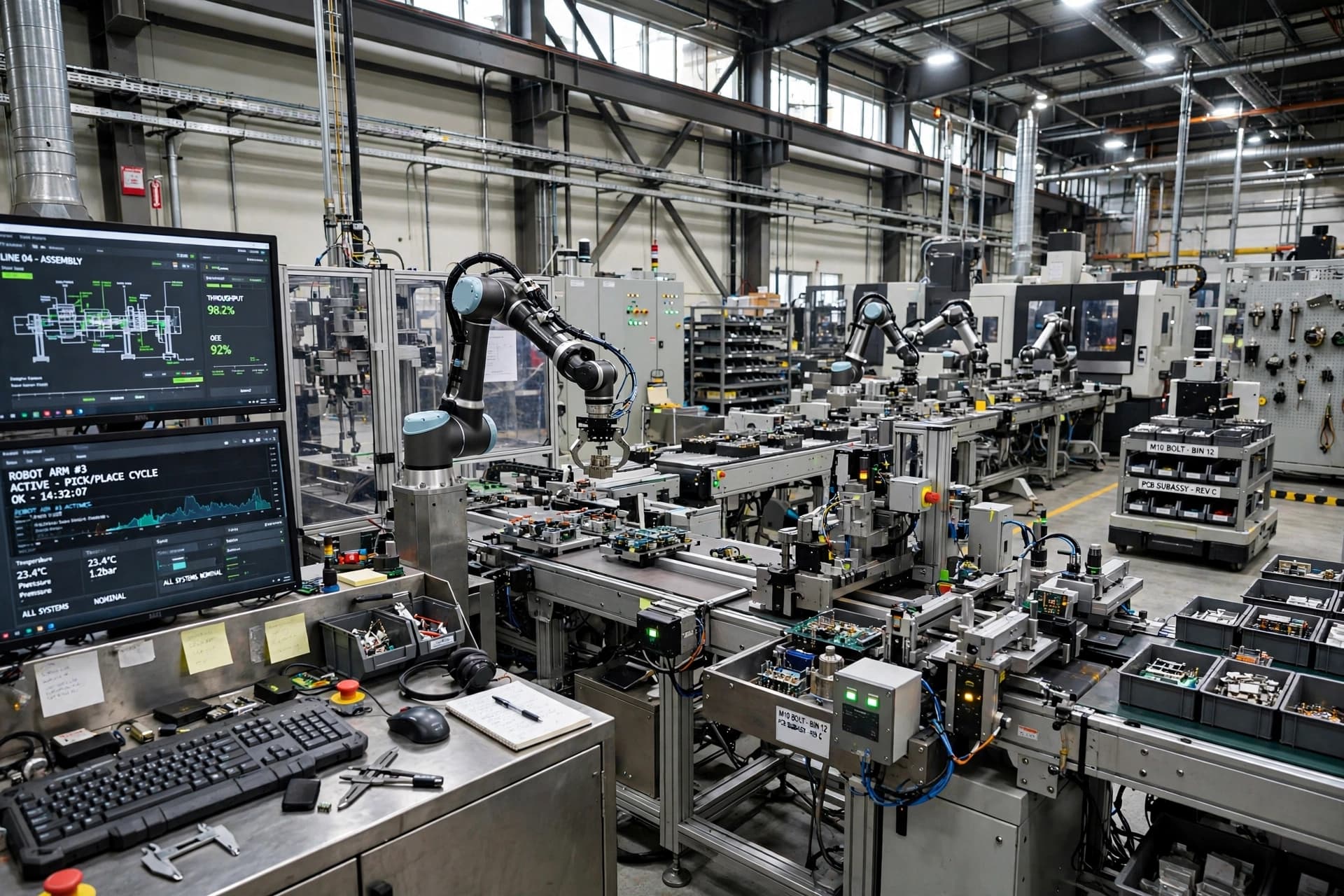
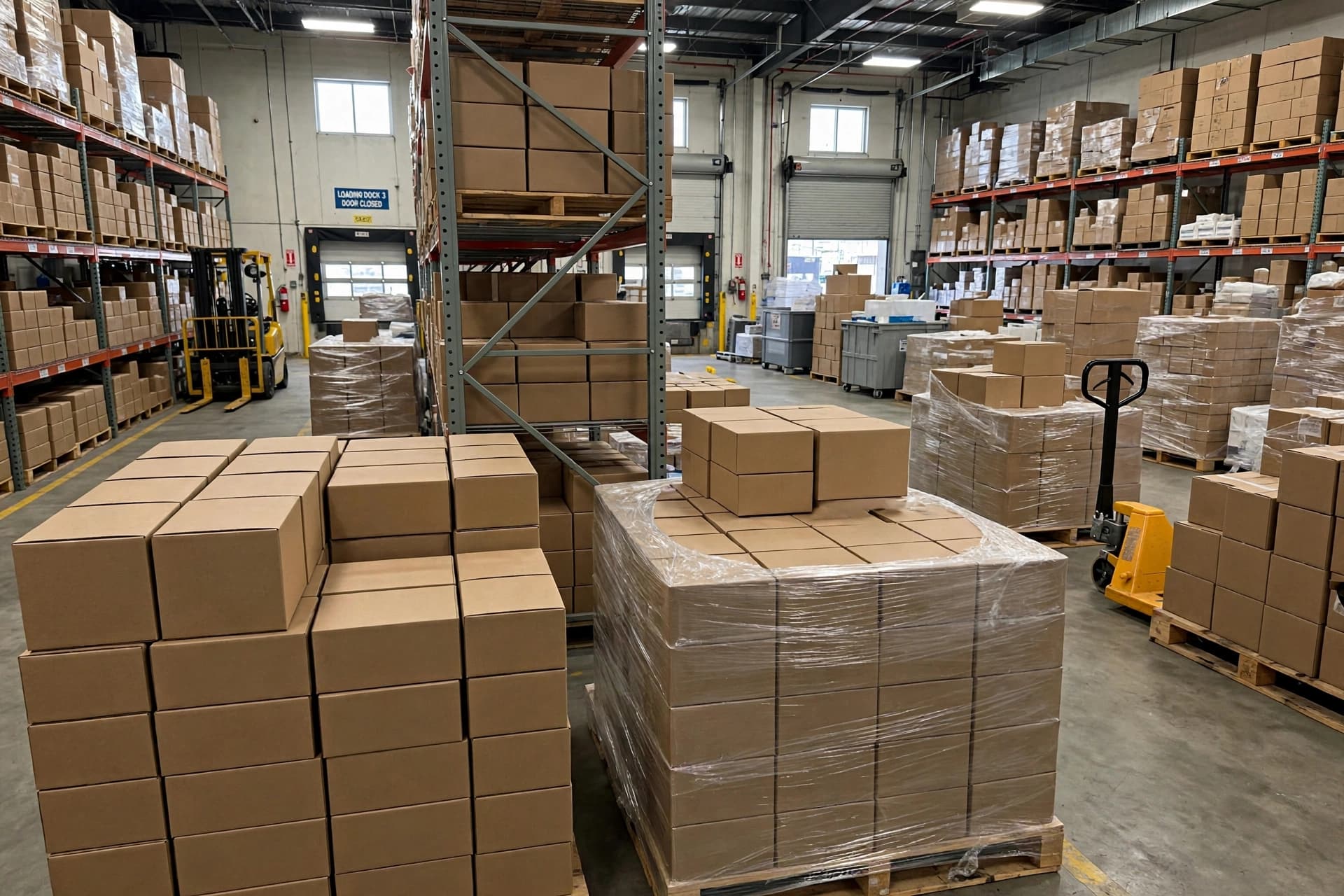
In the quiet rhythm of supply chains and spinning disks, a story has begun that feels almost poetic — a dance between demand and capacity that no one quite expected to unfold so swiftly. Like a book whose pages are claimed before the ink has dried, hard drives from one of the world’s major data storage makers are spoken for through the entirety of this year. What was once ample inventory has become spoken promises and future delivery dates, leaving some to reflect on how data’s quiet hunger can reshape even the foundations of hardware supply.
In the early weeks of 2026, leaders at Western Digital, a company long synonymous with magnetic storage, shared a revelation shaped by this era’s voracious appetite for digital memory. At a corporate earnings call, the company’s CEO — Irving Tan — described how their entire production capacity for hard disk drives in 2026 has now been committed to long-term agreements with a small group of top customers. In essence, every drive they can produce this year has already been spoken for, leaving no unallocated inventory for new orders.
This outcome is rooted in the surge of demand from hyperscale cloud providers and artificial intelligence initiatives, sectors that rely on cost-effective bulk storage to house exabytes of information. Traditional HDD technology, though slower than flash memory, remains the preferred economic choice for massive nearline and archival data stores feeding AI workloads. Thus, even as consumers increasingly embrace solid-state drives for personal computing, the hunger for spinning rust in data centers has eclipsed all expectations, absorbing Western Digital’s full slate of production.
In recent months, contract prices for HDDs have climbed to their highest in years, a subtle but telling signal of how supply is tightening under relentless demand. Industry observers say this shift — from abundant commodity component to fully booked capacity — speaks to larger currents in technology, where every byte of data has its place, and every place seems to want more bytes than the last.
For Western Digital, this chapter marks a continued evolution. The company has already repositioned itself around enterprise and cloud infrastructure needs, with a majority of revenue now tied to large data customers rather than individual PC users. As one industry analyst put it, the world’s digital backlogs are no longer an idle concept but a driver of real-world demand, shaping which technologies are scarce and which are abundant.
And so, in warehouses and factories, lines of HDDs will continue to spin toward fulfillment agreements, none left to spare for casual buyers or walk-in orders this year. Where once data storage sat quietly behind personal projects and home backups, it now towers at the heart of AI’s exponential scale — every signed contract another testament to how the digital universe has expanded faster than the gears designed to hold it.
Looking ahead, Western Digital and its peers will contend with decisions about capacity expansion, pricing, and how to balance enterprise demand against broader market needs. For now, in this moment that stitches together technology and economy, the company’s 2026 production calendar stands completely claimed — a reflection of data’s quiet, unstoppable momentum.
AI Image Disclaimer “Illustrations were produced with AI and serve as conceptual depictions.”
Sources TweakTown, Sportskeeda Tech, Igor’s Lab, ETeknix, TBREAK.
Published by Banx Network. This article is part of the Banx decentralized media programme, powered by the BXE token on the XRP Ledger.