Full Article (Opening – Body – Closing, Editorial Style) In places designed for constant motion — processing, transfer, waiting — stillness is unusual. Yet at a federal immigration detention center in South Texas, quiet arrived abruptly. Hallways emptied, routines paused, and the ordinary rhythms of confinement gave way to a single overriding concern: stopping the spread of disease.
U.S. Immigration and Customs Enforcement announced that it had halted all movement at the Dilley Immigration Processing Center after confirming measles infections among detainees. The decision, described as a precautionary public-health measure, came as medical teams began isolating affected individuals and monitoring others for symptoms. In an environment where people live in close quarters, even a small number of cases can carry outsized risk.
Measles is among the most contagious viruses known, spreading easily through the air and lingering in enclosed spaces. While vaccination has long kept outbreaks rare in the United States, recent years have seen its return in clusters across several states, including Texas. Health officials have repeatedly warned that institutional settings — from schools to shelters to detention facilities — face particular vulnerability when exposure occurs.
ICE officials said medical staff initiated quarantine protocols and reviewed vaccination and immunity records as part of the response. Detainees with potential exposure were separated, and access between housing units was suspended. Authorities framed the pause in movement as temporary, intended to protect both those in custody and staff working at the facility.
For those inside, however, the halt carried a heavier meaning. Detention already compresses time and space; a lockdown deepens that sense of uncertainty. Advocacy groups have long raised concerns about health care access and disease control in immigration detention, arguing that outbreaks often expose structural strains that routine operations can obscure.
The Dilley facility, which primarily houses migrant families, has drawn attention in the past for its conditions and population shifts. This latest development adds a public-health dimension to ongoing debates about how immigration enforcement intersects with humanitarian and medical responsibilities.
As health officials continue monitoring the situation, the episode stands as a reminder that viruses do not recognize legal status or administrative boundaries. In moments like these, the focus narrows to containment, care, and prevention — quiet work carried out behind secured doors, where movement stops so illness does not spread further.
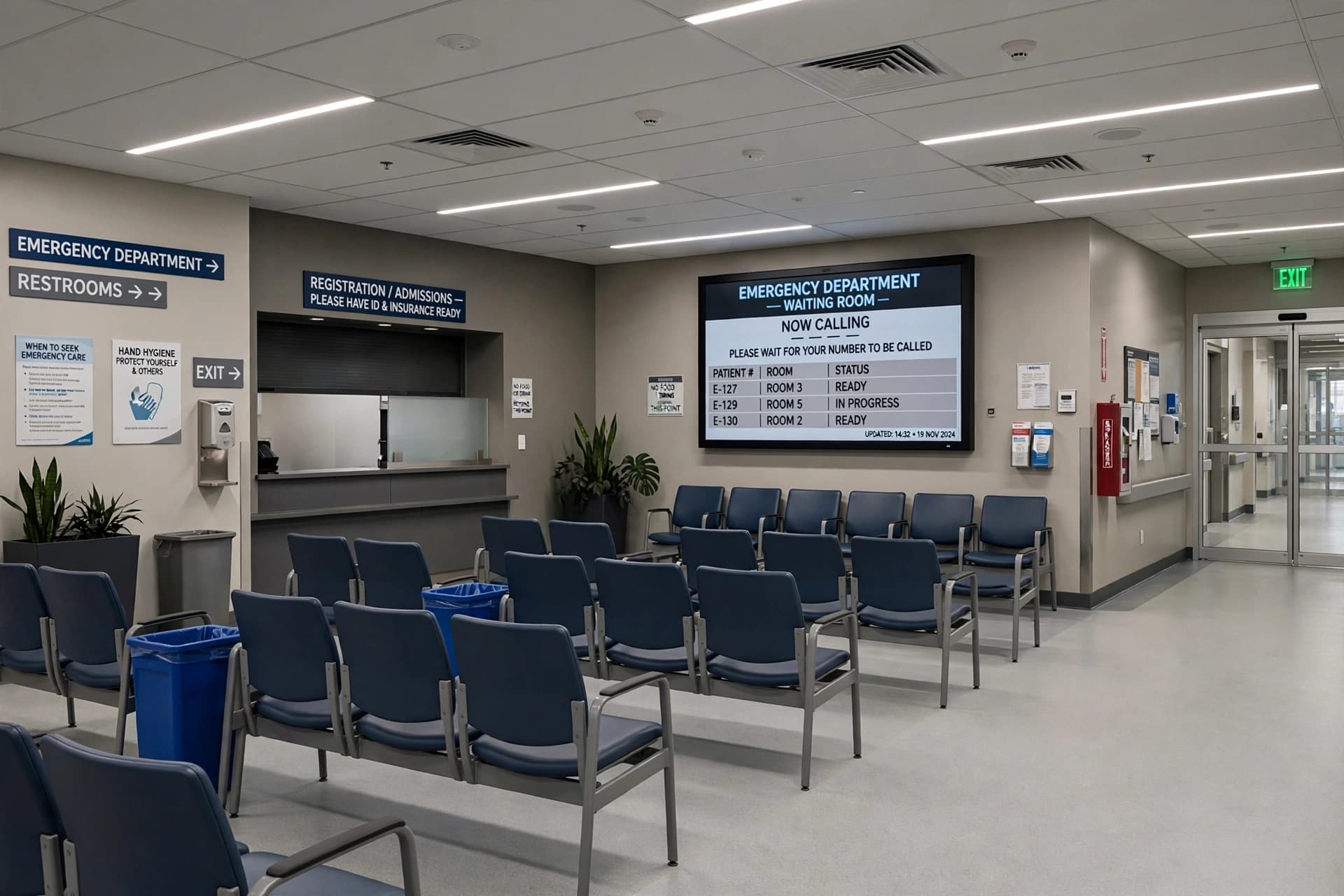
AI Image Disclaimer (Rotated Wording) “Illustrations were produced with AI and serve as conceptual depictions.”
Sources CBS News, Reuters, Associated Press, Newsweek, Anadolu Agency
Published by Banx Network. This article is part of the Banx decentralized media programme, powered by the BXE token on the XRP Ledger.