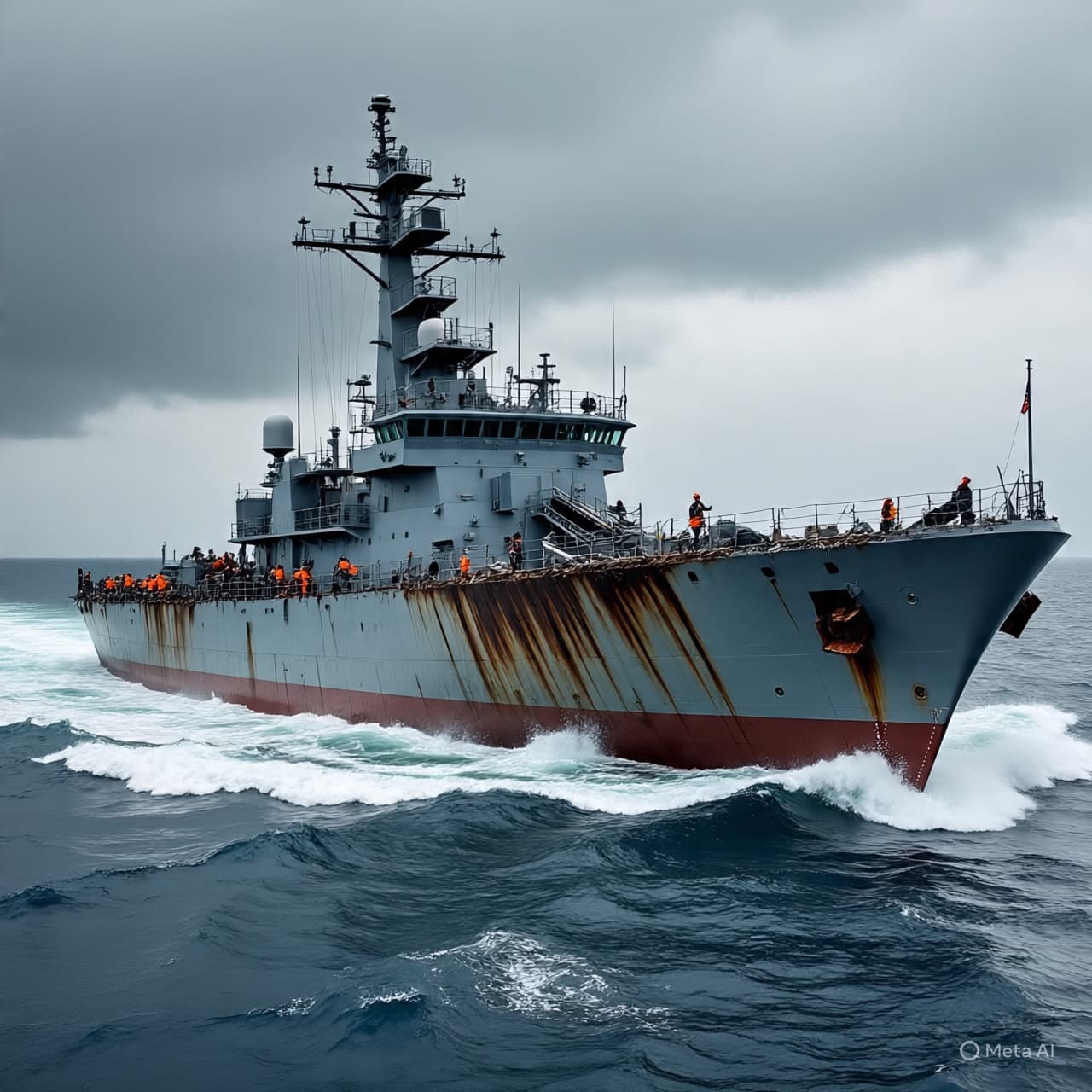
In the life of a naval vessel, discipline is the quiet current that keeps steel and sailors steady against the unpredictability of open waters. Yet even in the most structured environments, moments arise that test command, coordination, and trust. This week, such a moment unfolded aboard the guided-missile destroyer USS Truxtun, where an unexpected collision at sea has led to a change in leadership.
The United States Navy confirmed that the ship’s commanding officer has been relieved of duties following the incident. The decision, officials noted, reflects a loss of confidence in the officer’s ability to command — a formal phrase that carries significant weight within naval tradition. Relief of command is not uncommon after major incidents, but it remains one of the most serious administrative actions in maritime service.
Details surrounding the collision indicate that USS Truxtun came into contact with another vessel during routine operations. Initial statements suggest no reported fatalities, though assessments of structural damage and operational readiness continue. Investigations are underway to determine the sequence of events, communication protocols, and navigational decisions that preceded the impact.
In naval culture, accountability flows upward. A commanding officer bears ultimate responsibility for the ship, its crew, and every maneuver made under their watch. The sea allows little margin for error; even minor lapses in coordination or situational awareness can ripple outward with material and reputational consequences. The Navy’s response underscores this enduring principle: command is both authority and obligation.
For the crew, the change arrives amid ongoing operational demands. Destroyers like USS Truxtun serve as integral components of carrier strike groups and independent missions alike, balancing deterrence, maritime security, and alliance commitments. Stability in leadership is prized, yet continuity of mission remains paramount. An interim commander has been appointed while the investigation proceeds.
Historically, the Navy has treated collisions with solemn seriousness, mindful of past incidents that have prompted fleet-wide reviews of training and readiness. Each event becomes not only an inquiry into what occurred, but also an opportunity to refine procedures and reinforce safety culture.
As the investigation continues, official statements remain measured. There is no language of blame beyond the procedural relief of command, and no suggestion yet of broader systemic fault. Instead, the Navy has signaled its intent to assess facts carefully and preserve operational integrity.
In the steady cadence of maritime service, ships return to course even after disruption. The relief of USS Truxtun’s commanding officer stands as a reminder that in the Navy’s hierarchy, responsibility is inseparable from command — and that when steel meets steel at sea, accountability follows close behind.
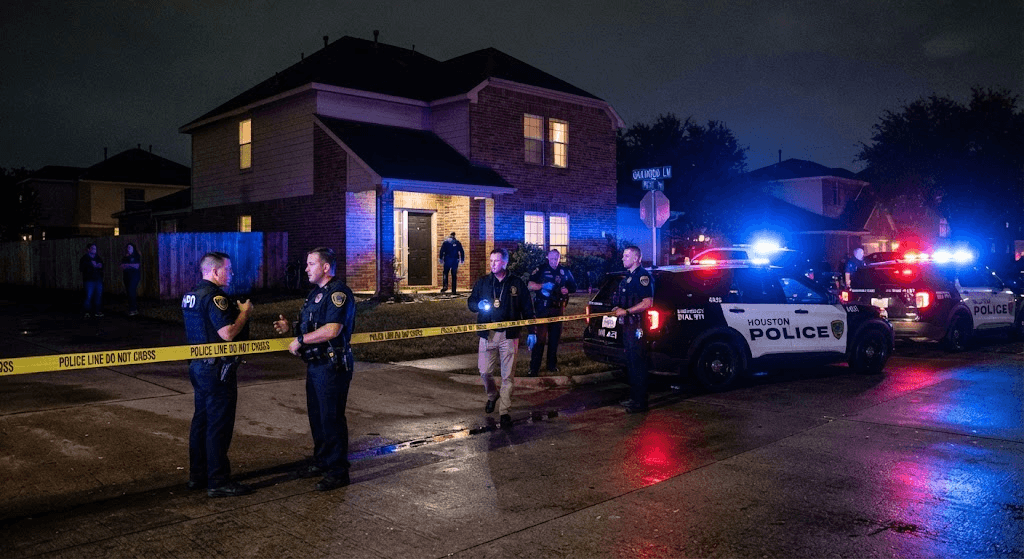
AI Image Disclaimer Graphics are AI-generated and intended for representation, not reality.
Source Check (Credible Media Identified): Reuters Associated Press CNN Navy Times USNI News
Published by Banx Network. This article is part of the Banx decentralized media programme, powered by the BXE token on the XRP Ledger.