
Key Highlights
- Deployment:USS Gerald R. Ford arrives in the Mediterranean Sea.
- Geopolitical Tensions:The carrier's presence raises concerns amid Iran's threats.
- Military Strategy:The deployment reflects U.S. commitment to regional allies.
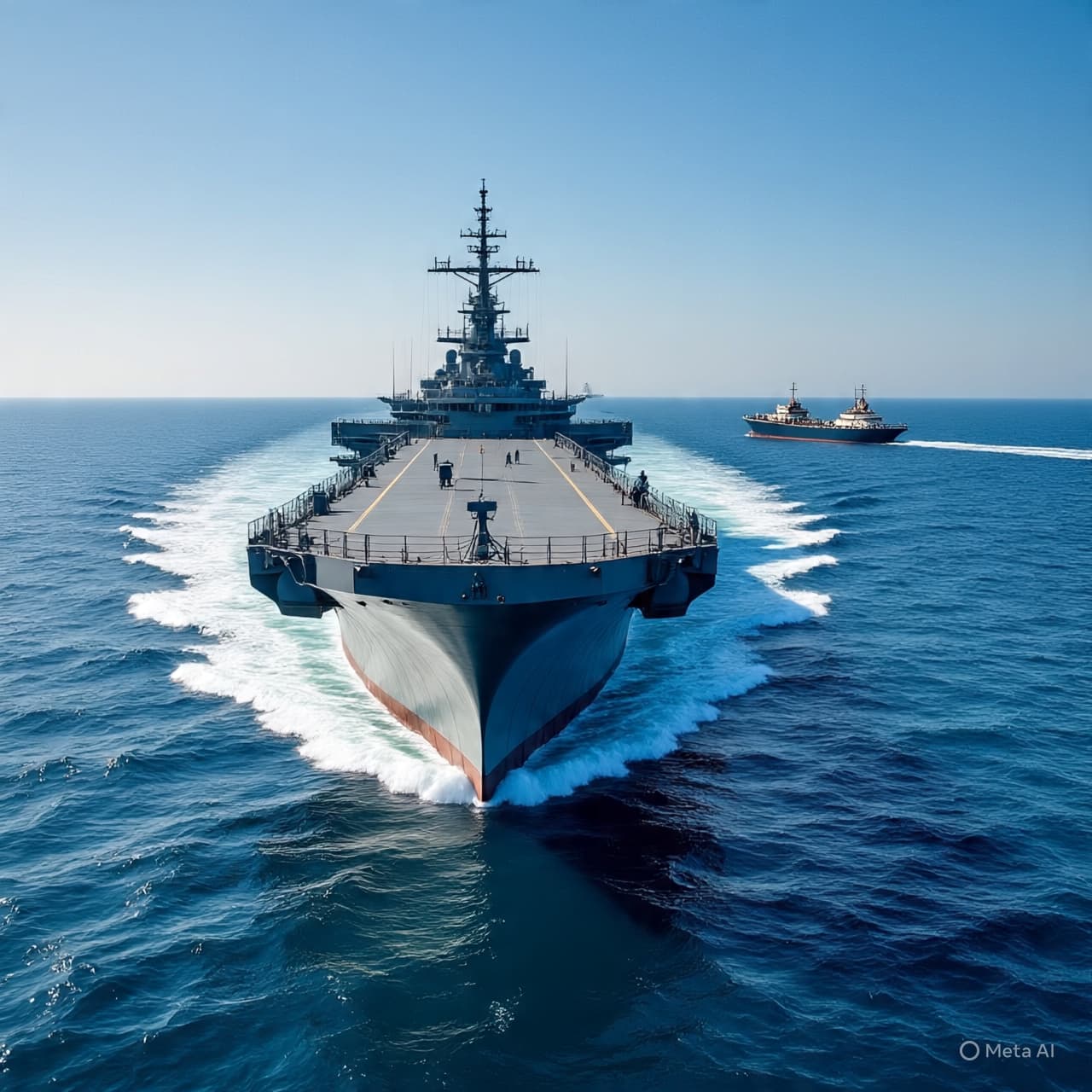
The dawn breaks over the Mediterranean Sea, revealing the silhouette of the USS Gerald R. Ford, the largest aircraft carrier ever constructed by the United States. This steel giant, a marvel of modern engineering, symbolizes not only military might but also the intricate web of global geopolitics. As it glides through the tranquil waters, it evokes a metaphor for the unseen forces shaping international relations, stirring questions among diplomats and military analysts alike.
The arrival of the USS Gerald R. Ford is more than a navigational event; it marks a significant moment in the ongoing tensions between the U.S. and Iran. The Mediterranean, a historic crossroads of civilizations, now hosts this formidable vessel, which is accompanied by a fleet of escorts and aircraft capable of projecting power far beyond its immediate vicinity. For many observers, this deployment serves as a reassurance to U.S. allies in the region, while simultaneously sending a calculated message to adversaries, particularly Iran, which has recently reiterated its readiness to respond to perceived threats.
Discussions surrounding this deployment reflect broader strategic considerations. In Washington and allied capitals, officials are weighing the implications of military presence against the backdrop of diplomatic negotiations. The decision to forward deploy such assets underscores the delicate balance between deterrence and diplomacy, as leaders navigate the complexities of security commitments in a volatile region. As the carrier moves toward its designated operational areas, families of servicemen and women remain engaged in their daily lives, far removed from the headlines yet deeply affected by the geopolitical landscape.
Despite the growing U.S. military footprint in the Middle East, official rhetoric emphasizes the importance of maintaining diplomatic channels. The interplay between military strength and diplomatic efforts highlights the multifaceted nature of international relations. The Mediterranean Sea, in this context, serves as both a stage for military posturing and a mediator for potential dialogue, reminding all parties involved of the human cost associated with conflict.
As the world watches the USS Gerald R. Ford navigate these historic waters, it becomes clear that its presence is part of a larger narrative of uncertainty and cautious navigation. The potential for conflict looms, yet there remains hope that through patience and resolve, pathways to peace can still be forged, even amidst the backdrop of military might.
Published by Banx Network. This article is part of the Banx decentralized media programme, powered by the BXE token on the XRP Ledger.



