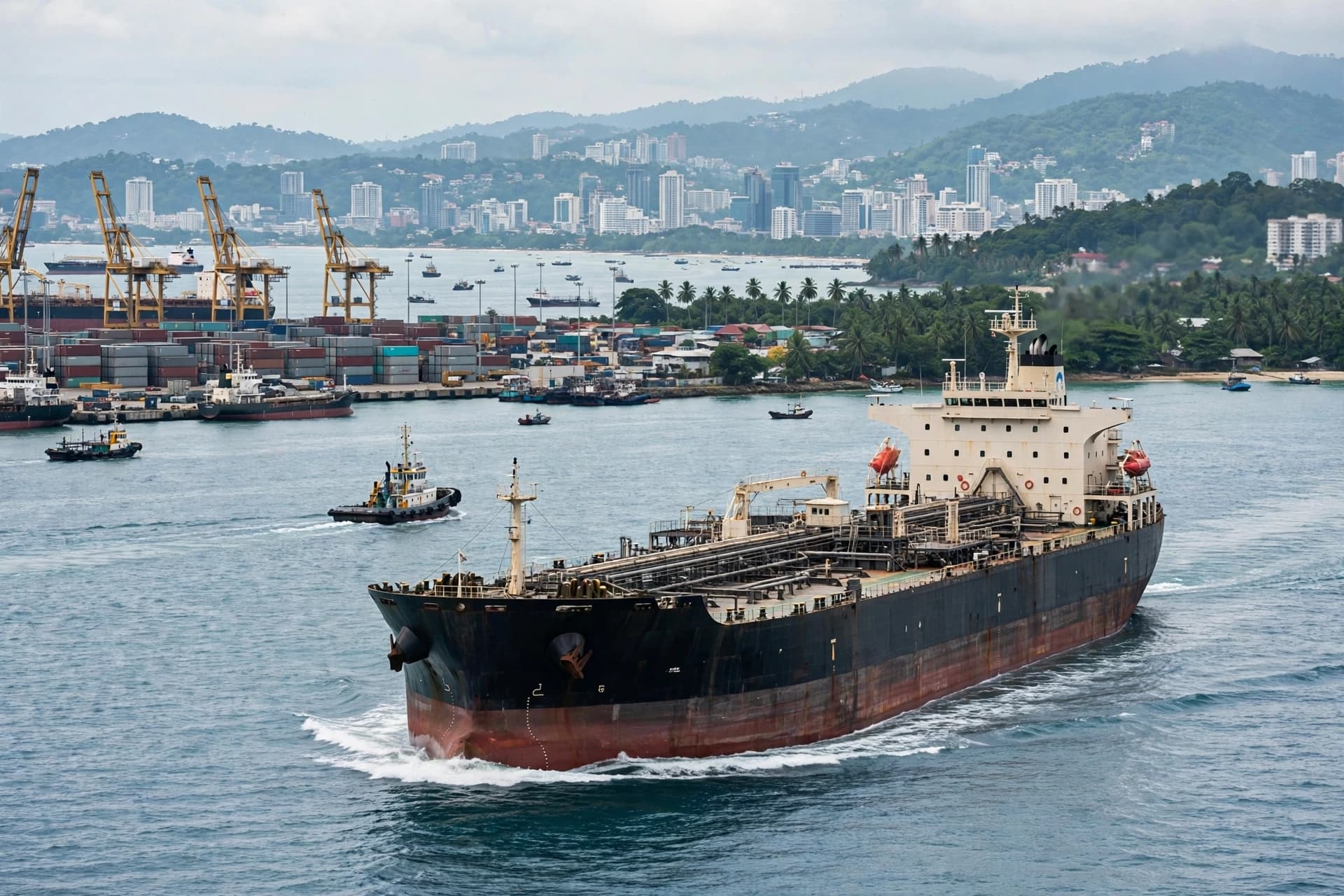
The morning sun glances off the broad expanse of open water, turning each wave into a transient ribbon of light that seems to carry promise and pause all at once. In that gleam, one might see the world as it often is — a mixture of motion and stillness, of distant places slowly drawing closer or receding just beyond perception. In recent days, that quiet expanse has been threaded by a new movement that evokes both history and hesitation: the deliberate progression of a U.S. Navy carrier strike group bound across thousands of miles toward the waters near Iran.
Ships of steel and purpose trace this silent arc, their wake as much a measure of resolve as of distance. At the center of the formation is the aircraft carrier Abraham Lincoln, accompanied by destroyers and support vessels that together make up a carrier strike group — a floating constellation of wings and hulls poised for multiple tasks. Their journey from the Pacific toward the broader Middle East feels almost like the shifting of tides: slow, heavy with intent, and colored by the wider patterns of regional unrest and diplomatic watchfulness.
Below deck, sailors pace familiar routes with practiced ease, their routines shaped by rhythm and readiness. Above them, pilots and aircrews prepare machines that bridge sea and sky, instruments of vigilance in a world where motion is both literal and symbolic. In port cities they leave behind, families wave not just to individuals but to the idea of continuity, trusting in the discipline of those who serve even as they sense the larger currents that have drawn these ships from one ocean to another.
The context for this movement is a landscape of tension between the United States and Iran, marked by widespread domestic unrest within Iran, heightened political rhetoric, and concerns in capitals about how regional dynamics might unfold. In response to these pressures, the Pentagon has decided that a notable naval presence in the region will help reassure allies, maintain deterrence, and preserve a capacity to act swiftly if circumstances change. In doing so, it ties together geography, strategy, and the human scale of lives affected by decisions made far from these waters.
From the decks of carriers to the corridors of embassies, that tension carries a quiet complexity. Diplomats continue to speak in measured terms even as their nations watch the horizon for signs of escalation or ease. Neighbors across the Middle East observe closely, aware that the sea lanes are not just waterways but shared space where presence and passage are laden with meaning. In that sense, the voyage of this carrier strike group is not simply a matter of steel and distance but a chapter in a longer narrative of interaction, caution, and interconnected motion.
In straightforward news terms: the U.S. Department of Defense has ordered the redeployment of the USS Abraham Lincoln carrier strike group, along with its accompanying vessels, from the South China Sea toward the area of responsibility of U.S. Central Command, which includes the Middle East, amid rising tensions with Iran. The movement reflects a shift in U.S. military posture as Washington responds to unrest in Iran and works to reassure allies and partners in the region.
AI Image Disclaimer Illustrations were created using AI tools and serve as conceptual representations.
Sources (Media Names Only) Reuters Associated Press BBC News The Guardian NewsNation
Published by Banx Network. This article is part of the Banx decentralized media programme, powered by the BXE token on the XRP Ledger.