
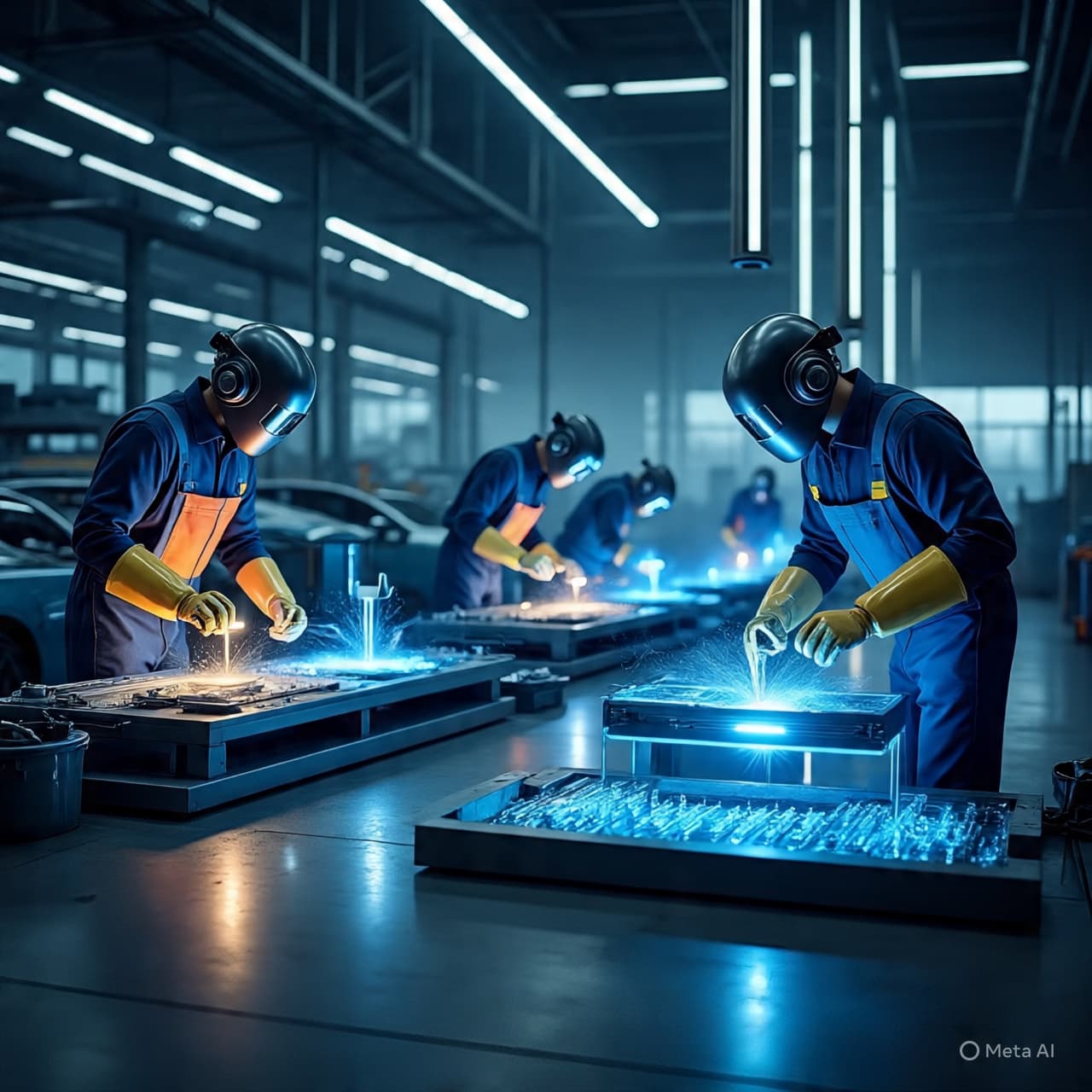
Key Highlights
- BMW introduces humanoid robots in Leipzig to assist in production.
- The robots are designed to enhance worker conditions and efficiency.
- Over 30,000 vehicles benefited from robotic contributions in earlier trials.
In a significant step towards the future of manufacturing, BMW has begun integrating humanoid robots into its production line at the Leipzig plant. This initiative marks a pivotal moment in the automotive industry, as the company seeks to blend human skill with advanced robotics. The introduction of these robots, developed in collaboration with Hexagon Robotics, is not merely about automation; it represents a thoughtful approach to enhancing the workplace environment for human workers.
The concept behind these humanoid robots is rooted in what BMW refers to as Physical AI, which combines digital intelligence with a physical presence. These robots, named AEON among others, are designed to work alongside engineers and technicians, taking on repetitive and ergonomically challenging tasks. This collaboration aims to free human workers to engage in more complex and creative aspects of production, thereby fostering a more skilled workforce.
BMW's journey into robotic assistance began with trials in Spartanburg, South Carolina, where the company tested the capabilities of humanoid robots in a live production setting. The results were promising, with robotic contributions supporting the production of over 30,000 vehicles. This success laid the groundwork for the current deployment in Leipzig, where the robots are now being integrated into various roles, including assembly and high-voltage battery production.
The humanoid robots are designed to be approximately the height of an adult human and are equipped with advanced sensors and adaptable tools. Their integration into the production line is characterized by a careful and methodical approach, ensuring that their presence enhances rather than disrupts the existing workflow. BMW emphasizes that these robots are not intended to replace human workers but to act as extensions of their capabilities, allowing for a more efficient and harmonious production environment.
As BMW continues to implement this technology, the company is focused on creating a balanced relationship between humans and machines. The introduction of humanoid robots is framed as an enhancement of human skill, enabling workers to focus on tasks that require critical thinking and creativity. This shift reflects a broader understanding of the future of work, where collaboration between humans and machines is essential for achieving optimal productivity and innovation.
The phased pilot approach taken by BMW allows for ongoing adjustments and learning as the robots become more integrated into the production process. This careful unfolding acknowledges that both machines and humans grow into their roles through experience. As the automotive industry observes BMW's advancements, other manufacturers are also exploring similar paths, considering how to best balance automation with human labor.
In conclusion, the introduction of humanoid robots at BMW's Leipzig plant signifies a continuation of the company's commitment to precision and innovation. Rather than a stark shift towards automation, this development invites a collaborative future where humans and machines work together to achieve excellence in manufacturing.
Published by Banx Network. This article is part of the Banx decentralized media programme, powered by the BXE token on the XRP Ledger.



