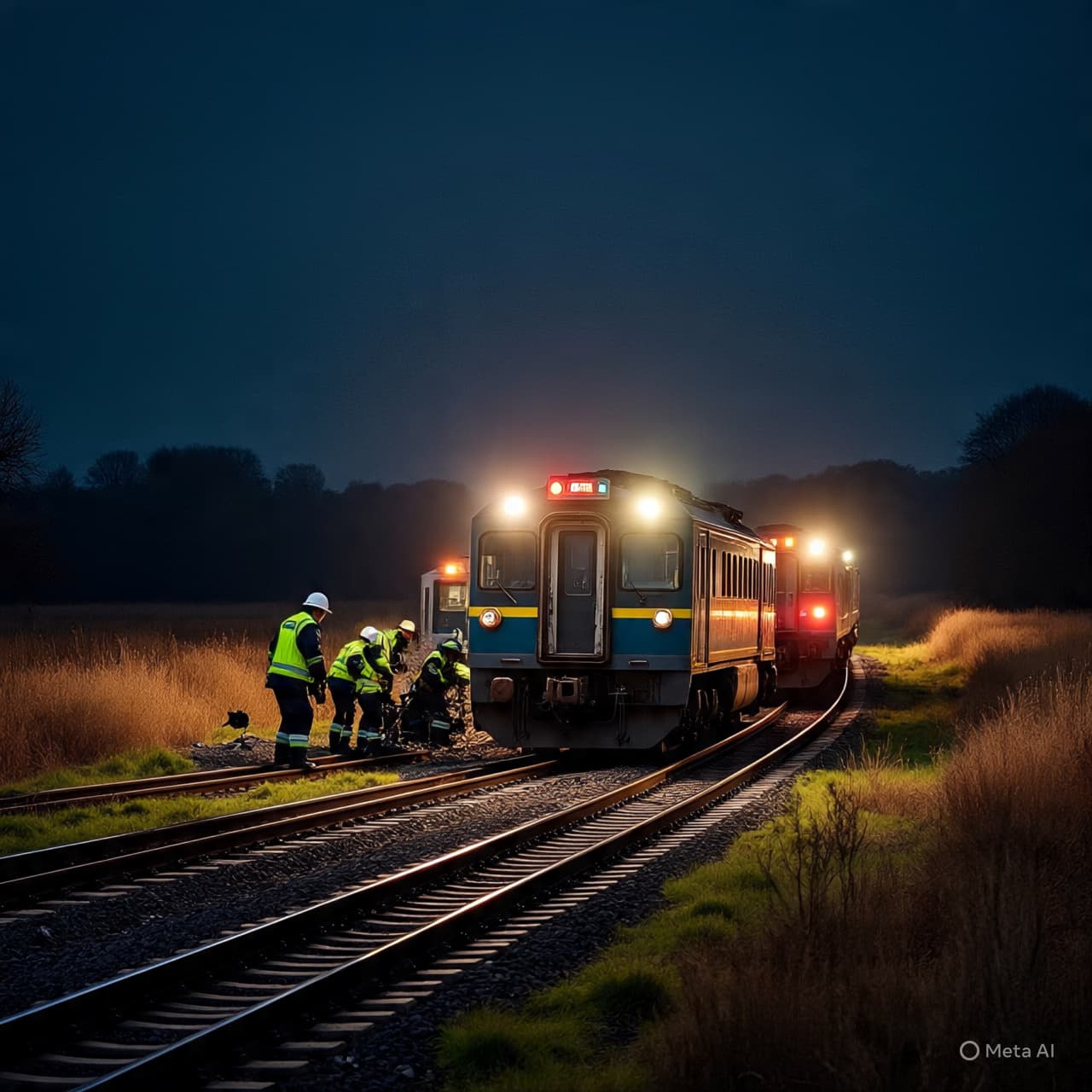
There is a particular type of silence that happens right after metal screams. It is not quiet. It is only absence — the moment between impact and comprehension. In a small corner of Britain, two trains collided, leaving four people seriously injured. Witnesses described a frantic rush of voices — people shouting that they needed doctors, the sound of panic overtaking any sense of normal transport routine.
Trains are the promise of order. They run on steel rails designed to prevent variance. They exist to reduce uncertainty. That is why train collisions always carry a deeper psychological shock: this is infrastructure that is supposed to be predictable. The kinetic violence of two trains meeting at the wrong vector is more than a mechanical tragedy — it is a rupture of trust.
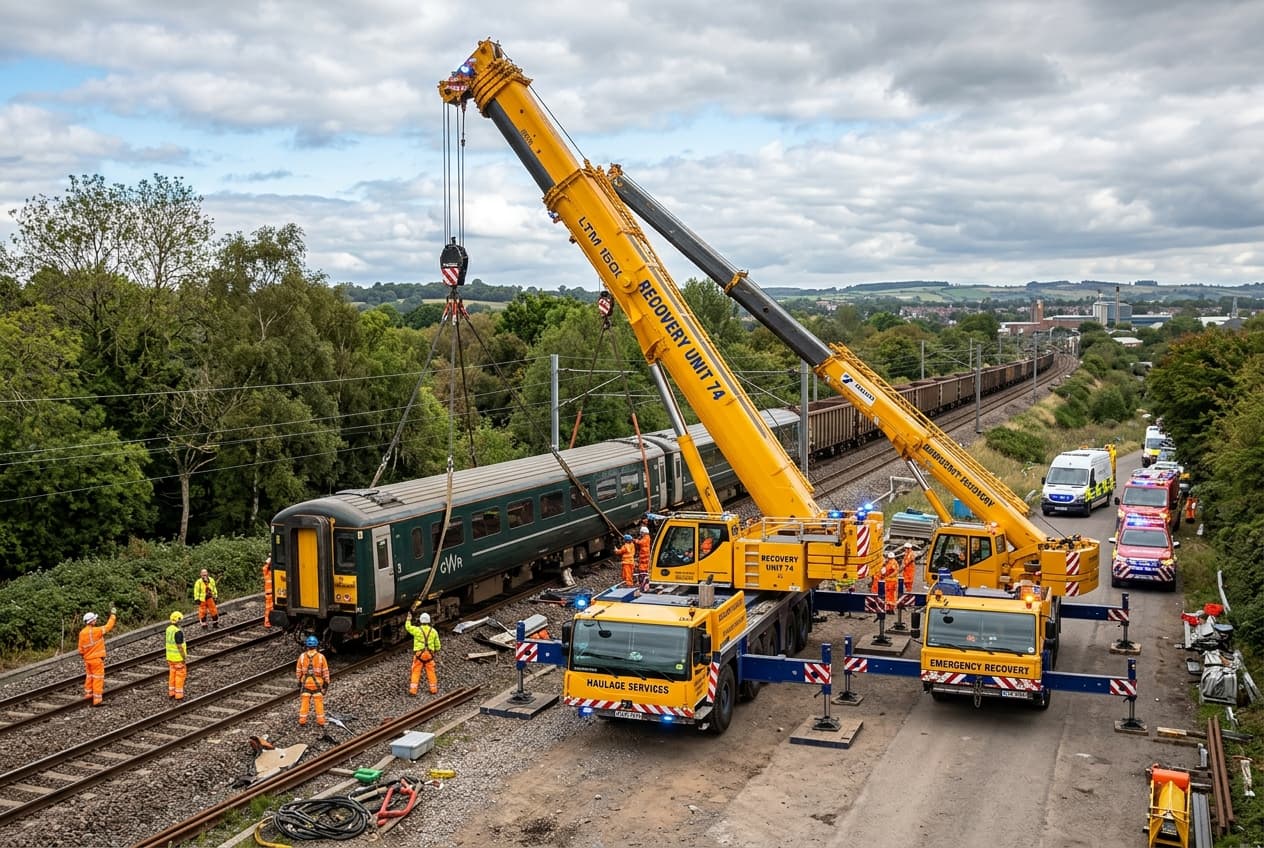
First responders arrived to a scene that looked like time had been torn open. Passengers climbed out between broken seats and warped panels. Emergency medics built improvised triage lanes to manage urgency in real time. For the injured, the next hours stretch longer than the crash itself.
Eventually, the headlines will compress this into a brief: four seriously hurt, others treated, investigation underway. But for the people inside that moment — the scream, the impact, the glass — the story will live longer. Because when machines collide, it is the human voices that echo.
Published by Banx Network. This article is part of the Banx decentralized media programme, powered by the BXE token on the XRP Ledger.