In the quiet sway of Asia’s economic lattice, where metal flows and engines hum beneath the surface, a new strain has rippled through the fabric connecting two old neighbors. Once held together by a dense network of supply chains and shared commerce, that lattice now faces pressure — not of market forces alone, but of geopolitical intent and mutual unease.
On February 24, Beijing announced a calibrated tightening of its export levers: dual-use items, the substances and technologies that can serve both civilian purpose and military potential, will no longer flow freely to 20 Japanese companies. A further 20 have been placed on a watch list, subject to careful scrutiny and licensing. The official language speaks of law, legitimacy, and safeguards against remilitarization and nuclear ambition — soft phrases that echo the firm resolve behind them.
These controls touch sectors vital to both nations’ industries: aerospace units of legacy conglomerates, machine-tool divisions, high-grade technical components. Mitsubishi Heavy Industries, Kawasaki Heavy, Fujitsu, Subaru and others find themselves amid the shifting patterns of regulation. Even as China’s commerce ministry stresses that ordinary trade should remain unaffected for companies that operate transparently, the symbolism of the decision reverberates beyond balance sheets.
Tokyo’s financial markets reflected the moment’s uncertainty. Shares of affected firms dipped in reaction, a hint of nerves in markets that prize stability and predictability. For companies and supply chains woven tightly with global partners, the news was a reminder of how geopolitical winds can sway even the most intricate economic gears.
Analysts note that this is not merely a story about export manuals and tariff codes. In a region shaped by strategic competition and unresolved historical tensions, trade policy becomes a canvas on which broader anxieties are painted. Japan’s recent political statements on defense and Taiwan have drawn pointed responses from Beijing. The export controls may be tailored in law, but their implications touch on trust, alliance networks and economic resilience.
Still, within this evolving chapter, there lies a quiet reassurance from official statements: that channels of commerce need not be shut, if enterprises can adhere to rules of verification and transparent intent. In the interplay of law, diplomacy and industry, there remains space for negotiation even as boundaries are redrawn.
In this complex dance between nations, materials that power machines and technologies have become more than inputs — they are markers of strategic posture and economic leverage. The tone is not one of outright confrontation, but of cautious entanglement, where each decision threads a line between cooperation and competition.
As wheels turn in boardrooms, capitols, and factory floors, the story of China and Japan — intertwined by geography and history — continues to unfold in the delicate balance of trade and security.
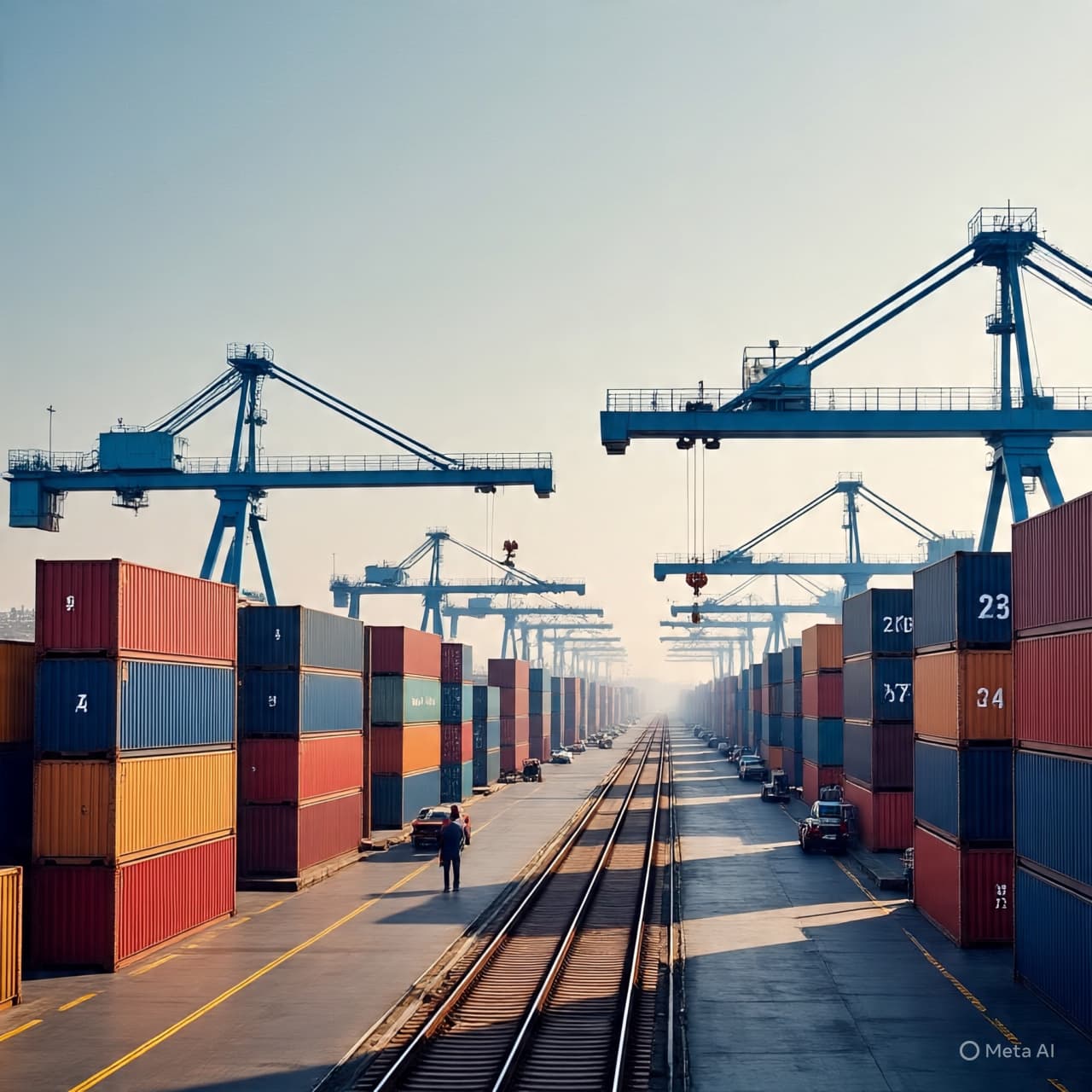
AI Image Disclaimer (Rotated Wording) “Visuals are created with AI tools and are not real photographs.”
📚 Sources China’s export curbs news drawn from multiple credible reports: Financial Times, Reuters, Associated Press, and Wall Street Journal.
Published by Banx Network. This article is part of the Banx decentralized media programme, powered by the BXE token on the XRP Ledger.