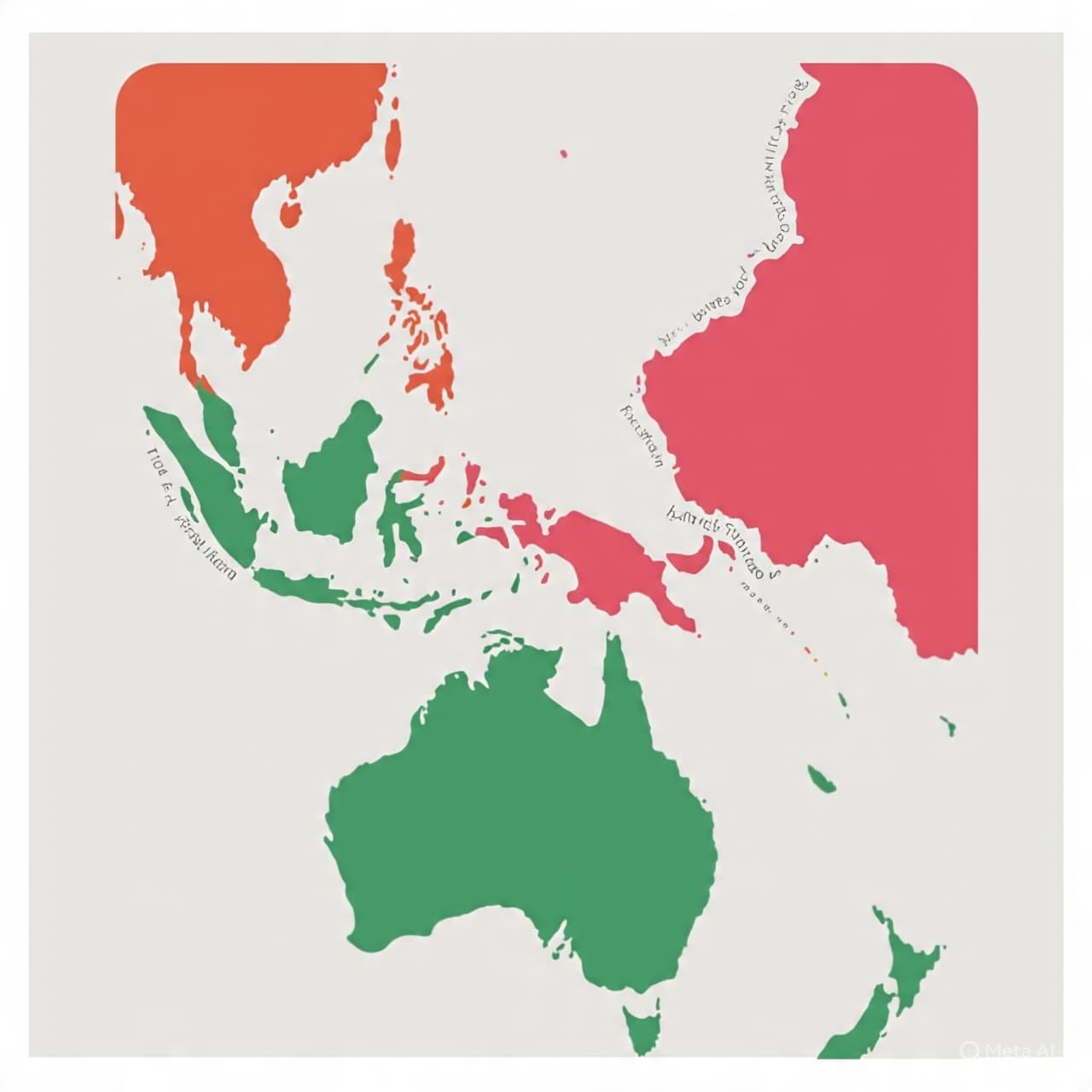
In the intricate world of global indices, stability can sometimes conceal subtle change. Indonesia’s classification within the FTSE index remains intact, a signal of continuity that many investors welcome. Yet beneath that steady label, adjustments are quietly unfolding.
Portfolio rebalancing is a natural mechanism in index tracking. Even when a country’s status remains unchanged, individual stocks may see their weight reduced or increased, reflecting shifts in liquidity, market capitalization, and investor preference.
Several Indonesian equities are now facing the prospect of reduced weighting. This does not necessarily indicate weakness, but rather a recalibration aligned with global benchmarks. In an index-driven market, such movements can influence capital flows in meaningful ways.
Analysts point out that passive funds tracking FTSE indices may adjust their holdings accordingly. A reduction in weight can translate into lower inflows or even temporary outflows, affecting short-term price performance.
However, the broader picture remains nuanced. Indonesia continues to attract attention as a key emerging market, supported by stable macroeconomic conditions and structural growth potential. The unchanged FTSE status reflects confidence in the country’s overall market framework.
For individual companies, the implications vary. Firms with strong earnings growth and liquidity may offset index-related pressures through fundamental performance. Others may need to navigate a period of adjustment as investor allocations shift.
Market participants are also watching currency movements and global interest rate trends, both of which influence capital allocation decisions. These external variables often play as much of a role as index mechanics.
In this landscape, the distinction between perception and reality becomes important. A lower weight does not equate to diminished value, but it does shape how capital flows across markets.
Ultimately, the story is one of balance. While Indonesia’s place in the global index remains steady, the composition within continues to evolve—quietly, steadily, and with lasting implications.
AI Image Disclaimer
Visuals are created with AI tools and are not real photographs.
Source Check (Credible Media)
Reuters
Financial Times
Bloomberg
CNBC Indonesia
Bisnis Indonesia
Published by Banx Network. This article is part of the Banx decentralized media programme, powered by the BXE token on the XRP Ledger.