In the vast theater of the universe, stars follow lifecycles that unfold over immense spans of time, their beginnings and endings marked by processes both subtle and dramatic. Among these, the final moments of a star can reveal behaviors that challenge long-held assumptions.
Recent research suggests that some dying stars may reverse their spin before they explode in a supernova. This finding adds a new dimension to the understanding of stellar evolution and the complex forces at work during a star’s अंतिम stages.
Stars rotate throughout their lifetimes, with this motion influenced by factors such as mass, magnetic fields, and interactions with surrounding material. As they approach the end of their life cycle, internal changes can significantly alter these dynamics.
The concept of spin reversal arises from detailed simulations and observational data, indicating that under certain conditions, internal layers of a star may shift in ways that change rotational direction. This phenomenon remains an area of active study.
Understanding these processes is important because the behavior of a star prior to explosion can influence the characteristics of the resulting supernova. This includes the distribution of energy and the formation of elements.
Supernovae themselves play a critical role in the cosmos, dispersing heavy elements that contribute to the formation of planets and, ultimately, life. Insights into their mechanisms therefore extend beyond astrophysics into broader questions of cosmic development.
Researchers continue to refine models and gather data to confirm and better understand the conditions under which spin reversal occurs. Advances in telescopes and computational methods are supporting this work.
While much remains to be explored, the idea that stars can alter their rotation so dramatically highlights the dynamic nature of stellar systems.
Ongoing research into stellar behavior continues to deepen scientific understanding, offering new perspectives on the life cycles of stars and the forces that shape the universe.
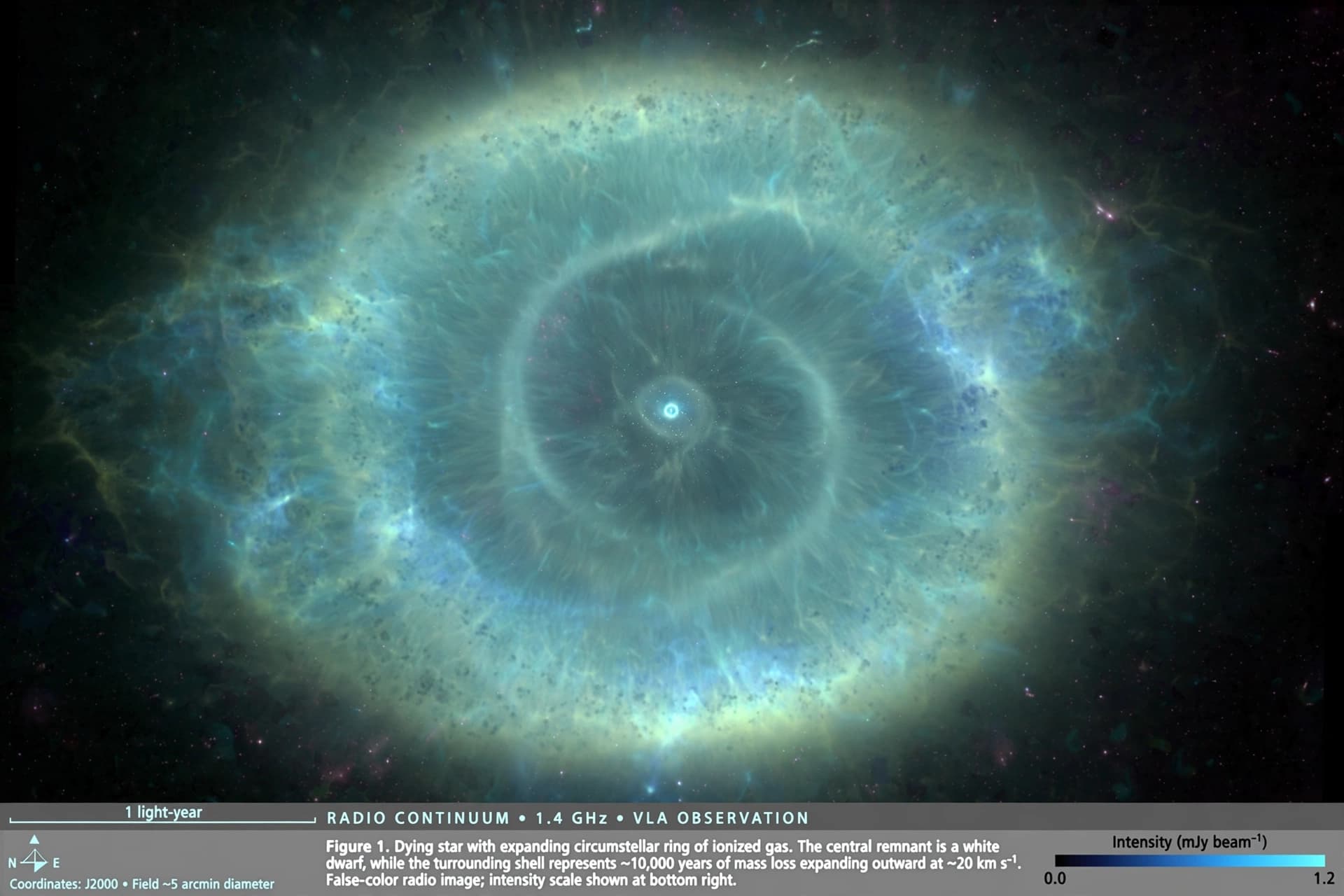
AI Image Disclaimer: The images used are AI-generated visualizations of stellar phenomena and are not actual astronomical captures.
Sources: NASA, European Space Agency, Nature Astronomy, BBC News
Published by Banx Network. This article is part of the Banx decentralized media programme, powered by the BXE token on the XRP Ledger.