
Key Highlights
- Political instability in Britain has increased significantly in recent years.
- The impact of Brexit continues to shape the political landscape and public sentiment.
- Economic pressures are contributing to voter dissatisfaction and party fragmentation.
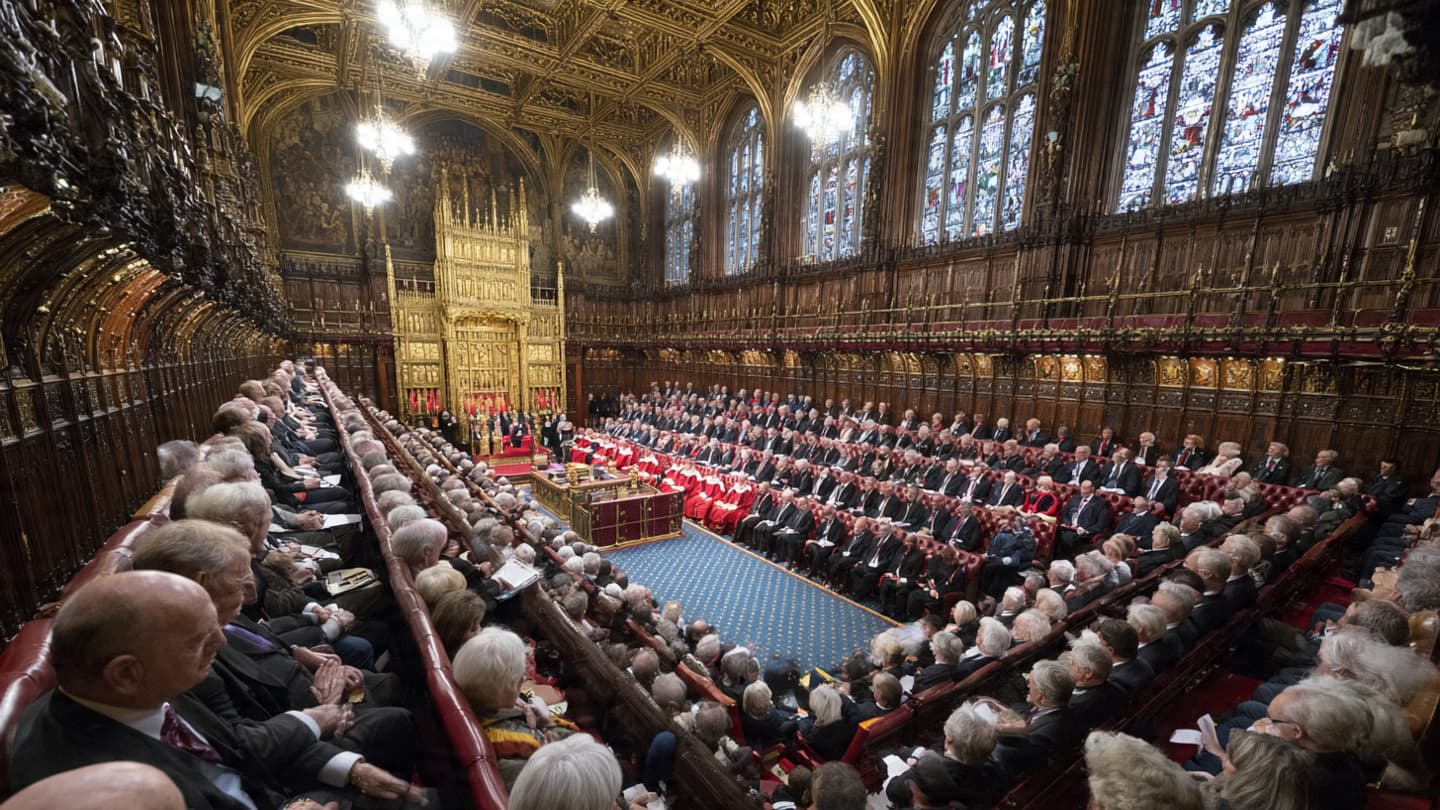
In recent years, the once-stable image of British politics has begun to tremble, resembling an old clock tower that, while weathered, was once dependable. The machinery of the state, which historically turned with quiet endurance, now faces unprecedented challenges. Political turbulence has replaced predictability, with prime ministers cycling through office at an alarming rate and public trust in institutions waning.
The term "ungovernable Britain" has shifted from hyperbole to a common refrain among analysts and commentators. Concerns are mounting that the political system is struggling to effectively address economic pressures, regional divides, and shifting voter expectations. This instability is not merely a passing phase; it reflects deeper structural issues within the UK's political framework.
A significant factor contributing to this turbulence is the long-lasting impact of Brexit. The 2016 referendum not only altered Britain's relationship with Europe but also exposed deep-seated divisions within the country. These divisions span geography, class, generation, and ideology, and they continue to influence elections and public discourse. Instead of resolving national questions, Brexit has intensified debates over sovereignty, economic direction, and cultural identity.
Economic strain further complicates the political landscape. Rising living costs, housing shortages, and stagnant wages have left many voters disillusioned with traditional political promises. For younger generations, the hope for long-term financial security has dimmed, leading to increased frustration with the status quo.
Both major political parties in Britain are grappling with internal fragmentation. The Conservative Party has faced a series of leadership crises and ideological rifts, while Labour is caught between the demands for progressive reform and the need for electoral viability. Additionally, smaller parties and regional movements are gaining traction, reflecting a broader fragmentation within the electorate.
The situations in Scotland and Northern Ireland add further complexity to the political landscape. Questions of Scottish independence remain a hot topic, while Northern Ireland navigates the delicate constitutional arrangements shaped by Brexit and the legacy of the Good Friday Agreement. Both regions highlight the challenges of maintaining political cohesion across the United Kingdom.
Britain's current difficulties are not unique; many democracies worldwide are experiencing similar pressures from economic inequality, social media polarization, and declining institutional trust. However, Britain's historical reputation for stability makes its current turmoil particularly poignant. The image of a nation once viewed as a model of parliamentary democracy is now marred by repeated crises, leaving citizens feeling unsettled.
Some analysts suggest that this turbulence could lead to renewal rather than decline. Political realignment, while uncomfortable, may reflect a democratic system adapting to new social realities. The demands of younger voters and calls for institutional reform could ultimately reshape British politics into a more responsive entity.
Conversely, others caution that prolonged instability risks normalizing cynicism and eroding public faith in democratic governance. Frequent leadership changes and unresolved policy disputes can alienate citizens from institutions that once seemed reliable. As Britain navigates this uncertain terrain, the quest for stability remains a pressing concern for its political future.
Published by Banx Network. This article is part of the Banx decentralized media programme, powered by the BXE token on the XRP Ledger.



