
Key Highlights
- Ottawa has issued a fire ban due to dry conditions and rising temperatures.
- Recent grass fires prompted authorities to take precautionary measures.
- Residents are urged to follow safety guidelines to prevent wildfires.
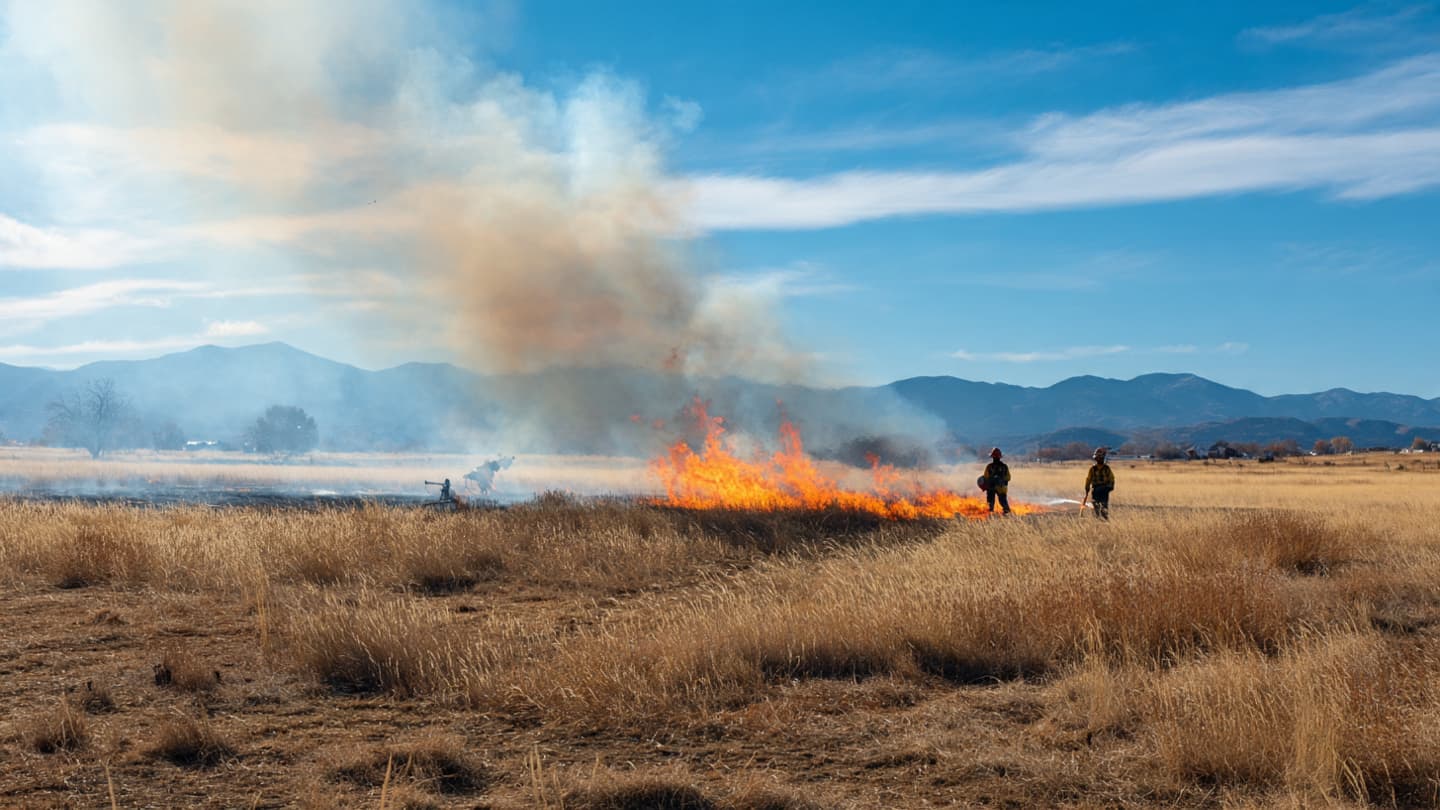
As spring edges toward summer, landscapes that once seemed gentle and green can quietly turn brittle beneath the sun. What begins as a season of renewal may, under the right conditions, carry a subtle warning—one that communities must heed with care and vigilance. In Ottawa, this warning has manifested in the form of an open-air fire ban, a decision made in response to a series of recent grass fires that raised significant concerns about public safety.
The Ottawa Fire Services reported multiple incidents leading up to the ban, with crews responding to blazes that, while contained, demonstrated how quickly flames can spread through dry vegetation. Officials noted that even small sparks can ignite fires under such conditions, highlighting the urgency of the situation. The fire ban applies to all outdoor burning activities, including campfires, brush burning, and other open flames. Authorities have emphasized that while the measure is temporary, it is necessary to reduce strain on emergency services and prevent potential escalation of fire incidents.
Weather patterns have played a crucial role in the current situation. Limited rainfall combined with rising temperatures has contributed to drier ground conditions, making grass and brush more susceptible to ignition. This combination of factors has created an environment where the risk of wildfires is significantly heightened, prompting the need for immediate action.
Residents are encouraged to remain cautious and adhere to safety guidelines during this period. Alternatives to open-air burning, such as using designated facilities or postponing outdoor activities, are recommended to mitigate risks. Fire officials have stressed the importance of community awareness and cooperation in minimizing fire hazards. Public compliance with the ban is seen as essential in ensuring that emergency resources remain available for critical situations.
Similar measures have been implemented in other regions facing comparable dry conditions, reflecting a broader awareness of seasonal fire risks across parts of Canada. As communities adapt to changing environmental conditions, the fire ban serves as a reminder that even routine activities must be reconsidered to prevent greater harm.
For now, Ottawa's fire ban stands as a precautionary measure, urging residents to prioritize safety and remain vigilant as the dry season progresses. By taking proactive steps, communities can work together to reduce the risk of wildfires and protect both lives and property.
Published by Banx Network. This article is part of the Banx decentralized media programme, powered by the BXE token on the XRP Ledger.



