

Key Highlights
- Iran's football federation has protested FIFA regarding travel restrictions.
- The issue could impact the national team's participation in international competitions.
- FIFA emphasizes equal access and non-discrimination in sports.
The intersection of sports and politics is a complex and often contentious arena, with football serving as a prime example. Recently, Iran's football federation has taken a significant step by formally protesting to FIFA over travel-related restrictions that could hinder its national team's preparations for upcoming international competitions. This situation underscores the intricate relationship between sports governance and international diplomacy.
Reports indicate that Iranian officials are concerned that the limitations imposed on travel arrangements may adversely affect the participation and preparation of players and staff. They have urged FIFA to review these restrictions to ensure fair treatment in accordance with international sporting regulations. This appeal highlights the critical role that governing bodies like FIFA play in maintaining competitive fairness and equal access for all member associations.
FIFA has long championed principles of non-discrimination and equal opportunity within international competition. The organization routinely addresses disputes related to travel, eligibility, and participation, ensuring that all teams can compete on a level playing field. The current situation involving Iran is a reminder of the logistical challenges that can arise in international sports, where travel schedules, visa approvals, and administrative requirements are crucial for success.
Experts in sports governance emphasize that logistical issues can have profound implications for national teams. The ability to travel freely and efficiently is essential for athletes to prepare adequately for competitions. As international tournaments often require teams to navigate various jurisdictions with differing regulations, the need for clear and fair travel policies becomes increasingly apparent.
Iran's national football team is not only a source of national pride but also a significant symbol of the country's sporting identity. Major tournaments provide athletes with opportunities to showcase their talents on a global stage, drawing substantial public interest and support. The current protest reflects the broader implications of how politics can influence sports, particularly in regions where diplomatic relations are strained.
As discussions between FIFA, national football authorities, and relevant government agencies continue, stakeholders are expected to seek practical solutions to the travel restrictions. The overarching goal remains to uphold competitive fairness and ensure that all teams can participate fully in international events.
This situation serves as a poignant reminder that the movement of people across borders, even in the realm of sports, is often intertwined with larger conversations about diplomacy, regulation, and international cooperation. As the world watches, the outcome of Iran's protest may set important precedents for how sports organizations address similar issues in the future.
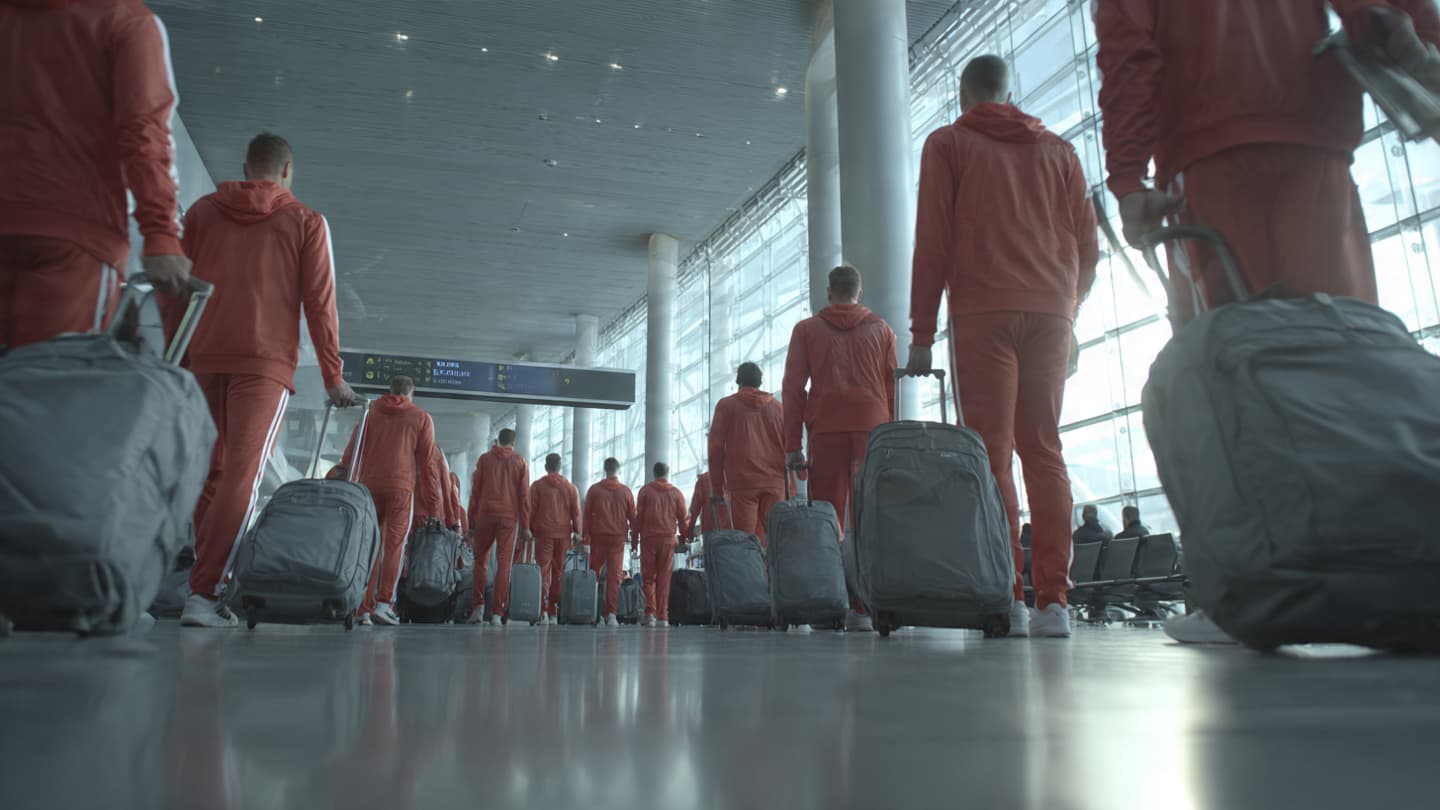
AI Image Disclaimer: All visual materials linked to this article are AI-generated illustrations intended to provide context and should not be considered documentary imagery.
Published by Banx Network. This article is part of the Banx decentralized media programme, powered by the BXE token on the XRP Ledger.




