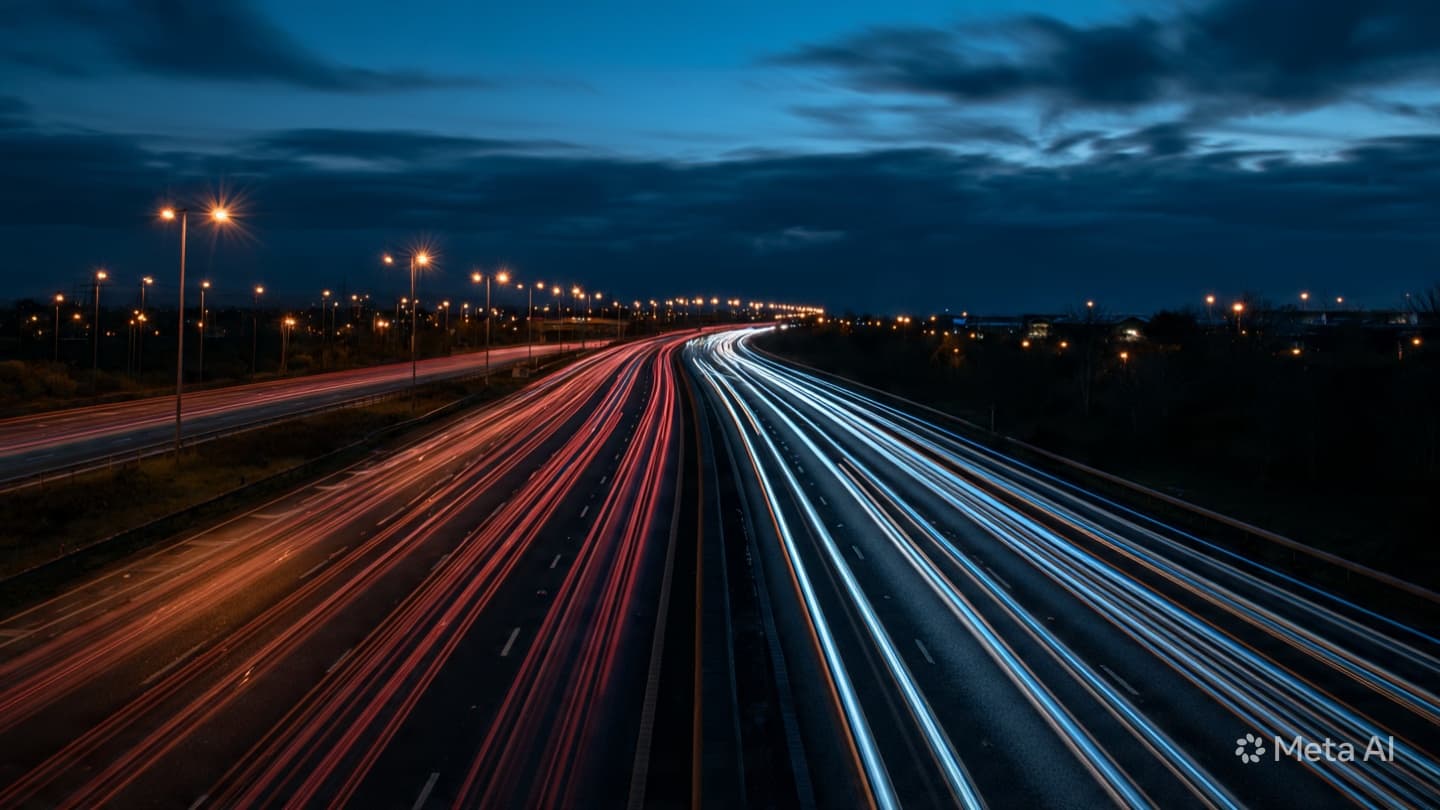
The M50 is the grand, sprawling circulatory system of Dublin, a continuous loop of motion that dictates the rhythm of the city’s waking life. To drive these lanes is to join a silent, synchronized congregation, a vast chain of individuals united by the singular purpose of reaching their destination. Yet, there is an inherent, chilling fragility to this arrangement, a truth that remains tucked away until the moment the orderly flow of the road is violently interrupted by the geometry of an accident.
When a multi-car collision occurs, the motorway—a place designed for relentless progress—becomes a site of sudden, profound stillness. The familiar roar of the commute is replaced by the piercing, rhythmic call of sirens, carving a space for tragedy amidst the concrete and asphalt. For those caught in the resulting gridlock, the destination fades, replaced by the somber realization of how rapidly the ordinary can dissolve into the life-altering.
Observers, peering from their windows or caught in the crawl of traffic, are forced into an unplanned confrontation with the unexpected. It is a moment of collective pause, where the anonymity of the highway evaporates, and we are reminded that every vehicle carries its own story, its own set of hopes, and its own finite fragility. The road, which usually demands our attention to the path ahead, instead compels us to look inward at the lives we navigate alongside.
Emergency responders move through the wreckage with a disciplined, heavy grace, their presence a testament to the difficult labor of restoring order to chaos. They are the ones who bear the burden of the aftermath, working under the gaze of the city to provide comfort where little can be found. Their actions are a quiet, necessary acknowledgment of the value of the lives involved, a service that honors the sanctity of the human condition even in the coldest of environments.
As the news of the two deaths permeates the city, a quiet mourning spreads. It is a loss that ripples through families, workplaces, and neighborhoods, creating a shared burden of sorrow that transcends the specific circumstances of the crash. The tragedy acts as a sobering anchor for all who rely on these routes, prompting a renewed awareness of the risks we undertake every time we merge into the stream of traffic.
The process of healing for a city is long and often invisible, occurring in the small, private moments of those affected. For the public, the path forward is marked by a tempered vigilance, a recognition of the delicate balance that defines our daily navigation. The motorway will continue its relentless flow, but for those who witnessed or learned of the loss, the path is irrevocably changed, carrying the weight of memory in the quiet spaces between the miles.
Looking ahead, the community seeks not just answers but a way to integrate the tragedy into the ongoing narrative of the capital. We are reminded, once again, that our connections are built upon a thin, invisible thread, and that the duty to protect one another extends far beyond the reach of our own steering wheels. It is a time for shared reflection, for honoring the memory of the lost, and for moving forward with a deeper, more profound respect for the road we share.
Authorities confirmed that a multi-vehicle collision occurred on the M50 motorway in Dublin. The incident resulted in the tragic deaths of two individuals at the scene. Emergency services, including fire and medical teams, attended the event, which led to significant traffic diversions as forensic investigators analyzed the site. A full investigation into the cause of the crash is currently ongoing, and the road has since been reopened.
Published by Banx Network. This article is part of the Banx decentralized media programme, powered by the BXE token on the XRP Ledger.