In the quiet corners of affected regions, a silent crisis unfolds, challenging the resilience of communities and the capacity of global health systems. The Ebola virus, a pathogen known for its severity and rapid transmission, has once again surged, claiming nearly 930 lives as it spreads at an unprecedented rate. This escalation serves as a somber reminder of the fragility of public health infrastructure and the urgent need for coordinated international response. It is a moment that calls for compassion, vigilance, and unwavering support for those on the front lines.
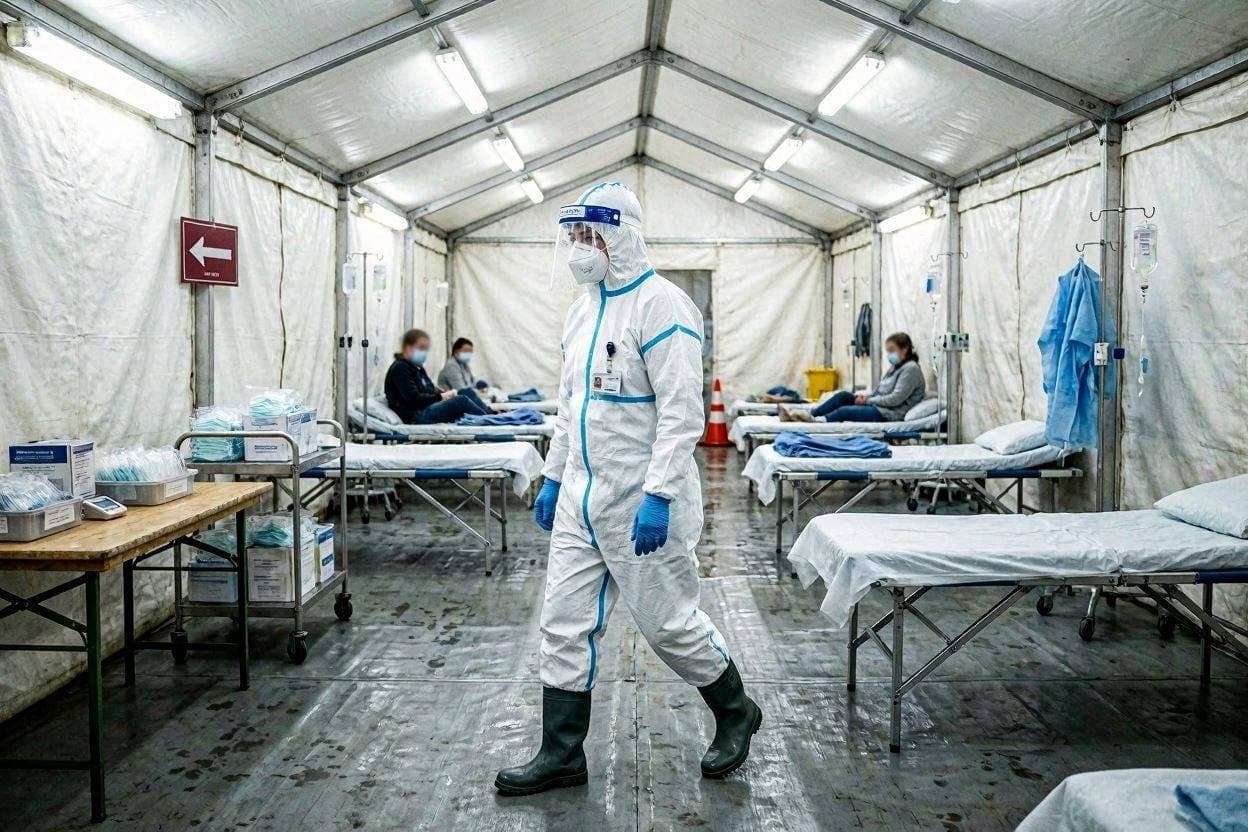
Body: The current outbreak has overwhelmed local healthcare facilities, straining resources and personnel who work tirelessly to contain the spread. Contact tracing, isolation, and treatment efforts are being intensified, but the speed of transmission has outpaced initial containment strategies. Health workers face immense risks, operating in high-pressure environments where every decision can mean the difference between life and death. Their dedication is a beacon of hope in an otherwise darkening landscape.
International organizations, including the World Health Organization and Médecins Sans Frontières, have mobilized additional resources to assist affected areas. Vaccination campaigns are underway, aiming to create rings of immunity around confirmed cases. However, logistical challenges, such as remote locations and community mistrust, complicate these efforts. Building trust remains as crucial as medical intervention, requiring sensitive engagement with local leaders and populations.
The human cost of the outbreak is profound. Families are torn apart by loss and fear, while survivors face stigma and long-term health complications. Psychosocial support is essential to help communities heal, not just physically but emotionally. The trauma of such a rapid and deadly disease leaves scars that extend far beyond the immediate crisis, affecting social cohesion and mental well-being for years to come.
Global attention is focused on preventing further spread across borders. Screening at airports and border crossings has been heightened, and public awareness campaigns are educating travelers on symptoms and precautions. While the risk of international transmission remains low due to strict protocols, the potential for cross-border movement underscores the interconnected nature of modern health threats. No nation is entirely isolated from the consequences of such outbreaks.
Research into new treatments and vaccines continues, offering hope for more effective tools in future responses. Scientific advancements have improved survival rates, but access to these innovations remains uneven. Ensuring equitable distribution of medical resources is a moral imperative, requiring sustained political will and financial commitment from the global community. Justice in health means leaving no one behind.
As the death toll rises, the urgency of the situation grows. Each number represents a life lost, a story cut short, and a community in mourning. The response must be swift, comprehensive, and humane, addressing both the immediate medical needs and the broader social determinants of health. Solidarity is the strongest weapon against such invisible enemies.
Closing: The rising death toll from the Ebola outbreak is a tragic milestone that demands immediate and sustained action. Through global cooperation and local resilience, there is hope for containment and recovery. The world must stand together to support those affected and strengthen defenses against future threats.
AI Image Disclaimer: Visuals in this piece are artificially generated and should be viewed as artistic interpretations rather than factual documentation.
Sources: World Health Organization Reuters BBC News Al Jazeera
Published by Banx Network. This article is part of the Banx decentralized media programme, powered by the BXE token on the XRP Ledger.