The universe is often imagined as a place of brilliant stars and glowing galaxies. Yet some of its most important stories arrive without light. They travel through the fabric of space-time itself, carrying information from events so distant that their origins may lie millions or even billions of years in the past. Recent advances by researchers in the United Kingdom are helping scientists hear those stories more clearly.
British scientists have reported progress in technologies designed to improve the detection of gravitational waves. These faint distortions in space-time were first directly observed in 2015, confirming a prediction made by Albert Einstein a century earlier.
Gravitational waves are generated by some of the most powerful events in the cosmos. Collisions involving black holes, neutron stars, and other extreme objects can create ripples that spread across the universe at the speed of light.
Detecting such signals requires extraordinary precision. Existing observatories use laser systems capable of measuring changes smaller than the width of a proton. Even minor improvements in sensitivity can significantly expand scientific capabilities.
The latest research focuses on advanced quantum technologies intended to reduce background noise and enhance measurement accuracy. By improving instrument performance, scientists hope to detect a wider range of cosmic events.
Researchers believe future observatories equipped with enhanced detectors could reveal previously hidden phenomena. More detailed observations may help answer questions about the formation of black holes, the behavior of matter under extreme conditions, and the evolution of galaxies.
International collaboration remains central to gravitational wave science. Facilities in Europe, North America, and Asia work together to compare observations and verify discoveries, creating a global network of scientific cooperation.
The field has grown rapidly since the first detection. What was once a theoretical prediction has become a powerful tool for exploring the universe through an entirely new form of observation.
As technology continues to improve, gravitational wave astronomy is expected to uncover additional insights into the cosmos. The latest achievements from British researchers represent another step toward understanding some of the universe's most profound mysteries.
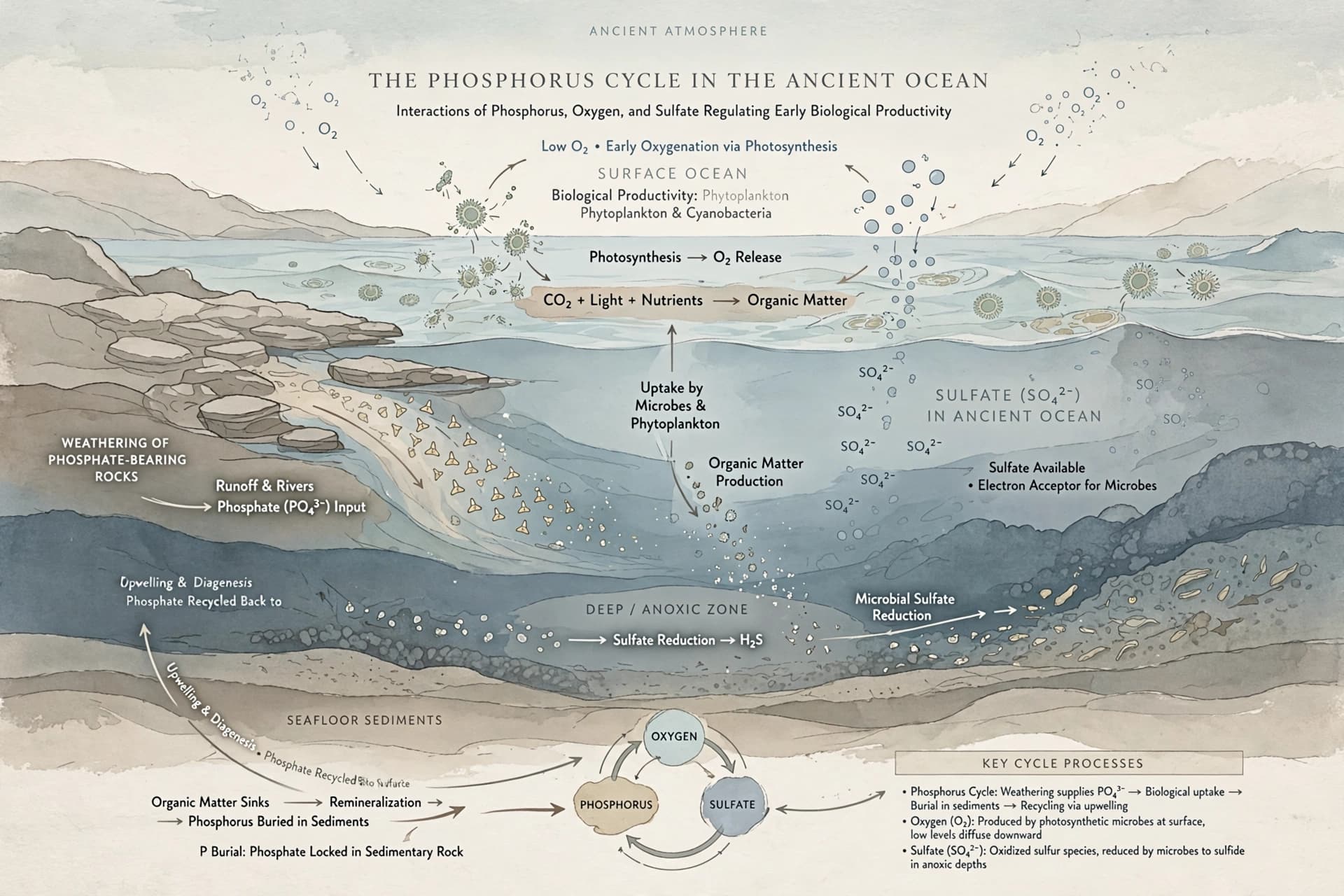
AI Image Disclaimer: The images associated with this article are AI-generated illustrations and do not represent actual scientific observations.
Sources (Verification Check): Innovation News Network, LIGO Scientific Collaboration, Nature Physics, Physics World
Published by Banx Network. This article is part of the Banx decentralized media programme, powered by the BXE token on the XRP Ledger.