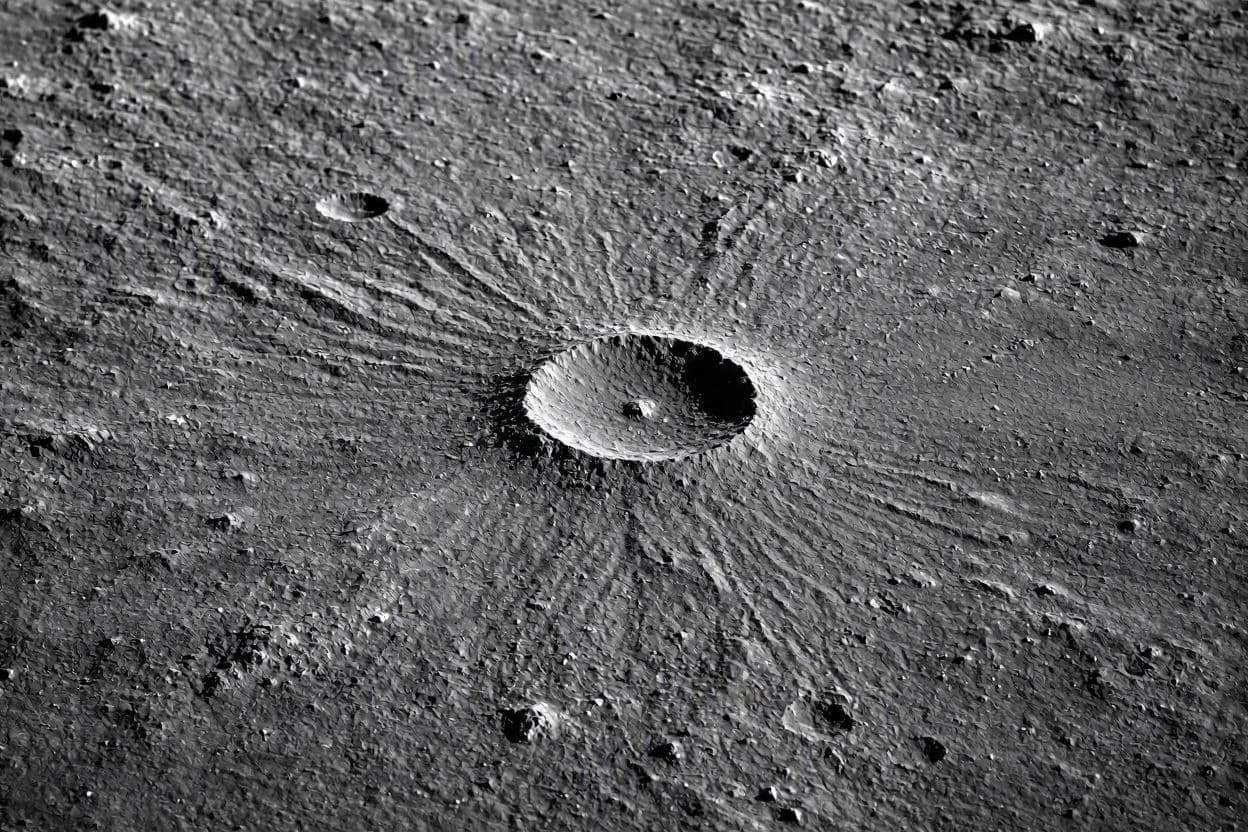
The Moon, our silent companion in the night sky, bears the scars of cosmic history on its pale face. Recently, NASA’s Lunar Reconnaissance Orbiter captured images of a fresh wound, a new crater formed by a significant impact. This discovery, larger than the Roman Colosseum, serves as a vivid reminder that our celestial neighborhood is still active. It is a rare event, one that offers scientists a unique opportunity to study the dynamics of impacts in real-time, bridging the gap between ancient geology and contemporary observation.
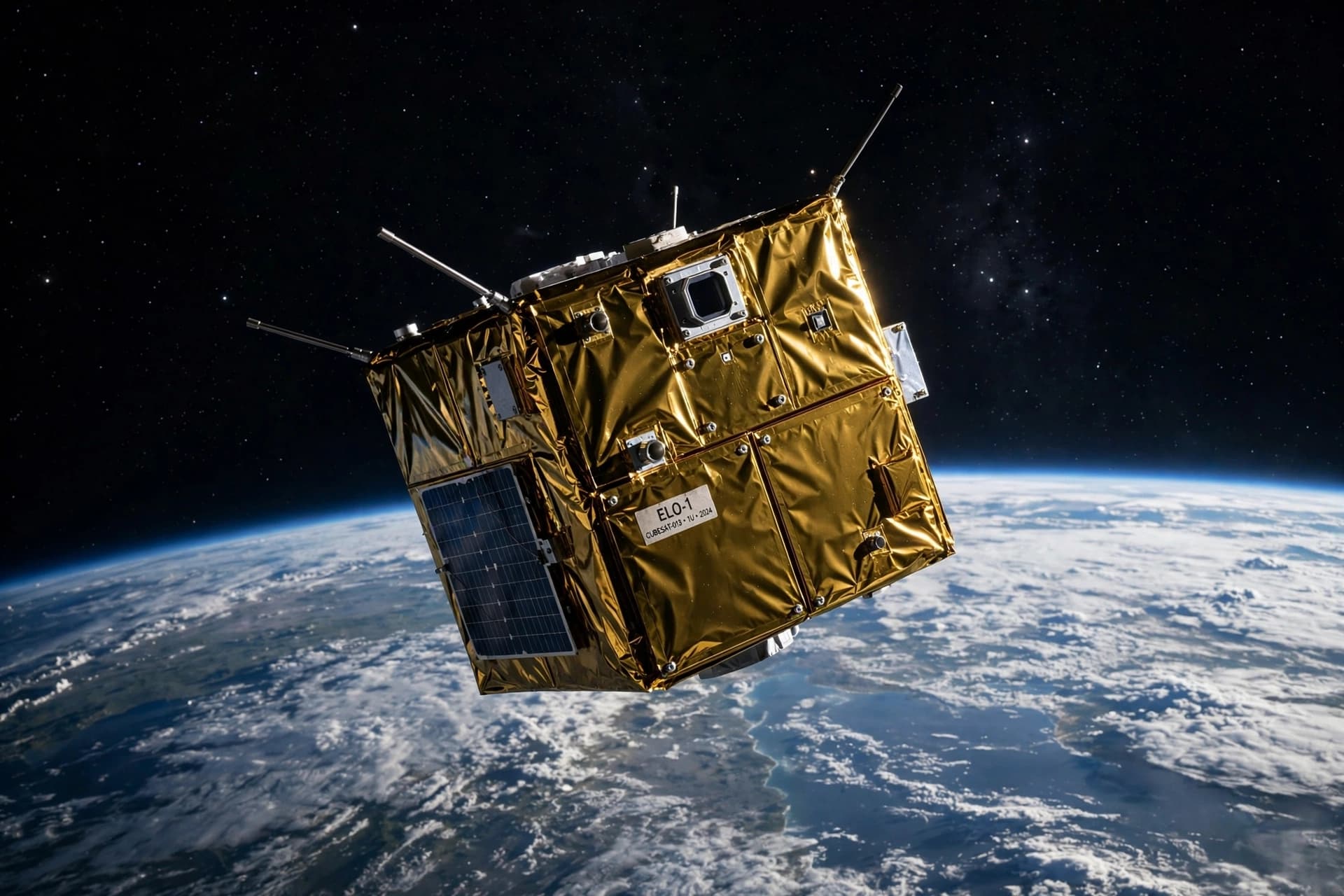
The crater, estimated to be about 728 feet wide and 141 feet deep, was created by an asteroid or comet strike in early 2024. Its size is remarkable for a recent formation, classifying it as a "once-in-a-century" event. The Lunar Reconnaissance Orbiter, equipped with high-resolution cameras, detected the change by comparing images taken before and after the impact. The stark contrast between the dark, fresh ejecta and the older, weathered surface makes the new feature easily identifiable, a bright spot in the lunar darkness.
This discovery is significant for planetary science. Most craters on the Moon are billions of years old, their origins lost to time. Finding a recent one allows researchers to analyze the immediate effects of an impact, such as the distribution of debris and the shape of the blast zone. It provides data that can refine models of impact frequency and intensity, helping us better understand the risks posed by near-Earth objects. In this way, the Moon acts as a natural laboratory, recording events that might otherwise go unnoticed.
The comparison to the Colosseum is not just a matter of scale but of perspective. It brings the abstract concept of astronomical distances down to a human level, making the event relatable. Imagine a structure as iconic as the Colosseum being carved out in an instant by cosmic force. It underscores the power inherent in space phenomena, forces that operate on scales far beyond our daily experience. Yet, through technology and observation, we can witness and comprehend these mighty events.
For astronomers, the timing of the impact is also of interest. Occurring during a period of heightened solar activity, it raises questions about potential correlations, though none have been established. The focus remains on the mechanical aspects of the crash, the energy released, and the resulting geological changes. Each new crater adds to the catalog of lunar features, helping to map the Moon’s surface with greater precision. This detailed mapping is crucial for future missions, including plans for human return.
The public reaction to the news has been one of awe and curiosity. Social media has lit up with images and discussions, as people marvel at the dynamic nature of the solar system. It is a reminder that space is not a static void but a place of constant motion and change. This engagement is valuable, fostering a sense of connection to the cosmos and encouraging interest in science and exploration. It shows that discoveries like this can inspire wonder across diverse audiences.
As we look forward, the Lunar Reconnaissance Orbiter continues its mission, scanning the surface for more changes. With each pass, it may reveal new secrets, small shifts in the lunar landscape that tell the story of ongoing bombardment. This vigilance is essential for understanding the long-term evolution of the Moon and other bodies in the solar system. It is a testament to the endurance of scientific inquiry, always watching, always learning.
The new crater on the Moon is a small but significant chapter in our understanding of the solar system. It reminds us of the violent forces that shape our world and the quiet persistence of science in uncovering them. As we gaze up at the Moon tonight, we might see it with new eyes, aware of the recent violence that marked its surface. It is a symbol of the ever-changing universe, inviting us to keep looking and wondering.
AI Image Disclaimer: The visual representations in this article are AI-generated illustrations designed for conceptual clarity and do not show actual satellite imagery.
Sources: NASA CBS News NBC News Science Magazine
Published by Banx Network. This article is part of the Banx decentralized media programme, powered by the BXE token on the XRP Ledger.