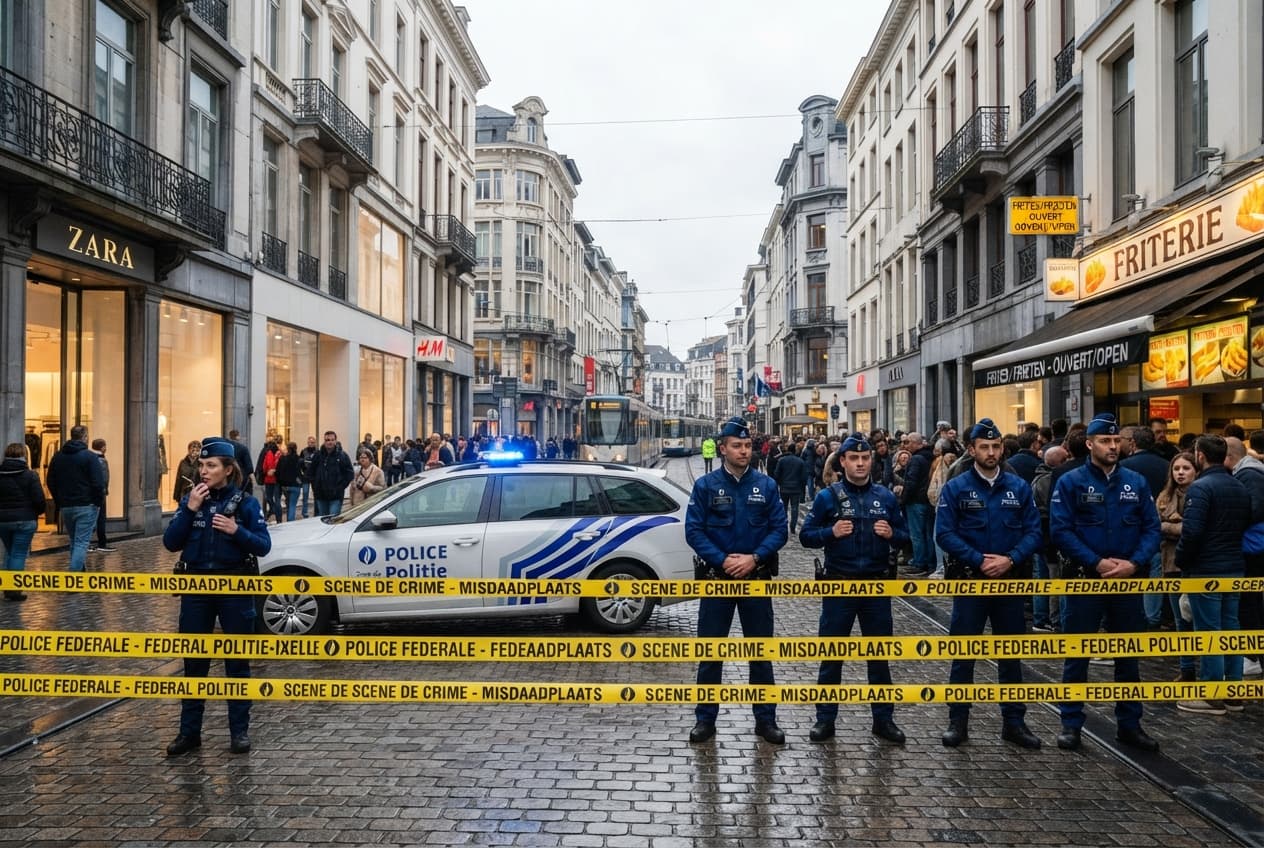
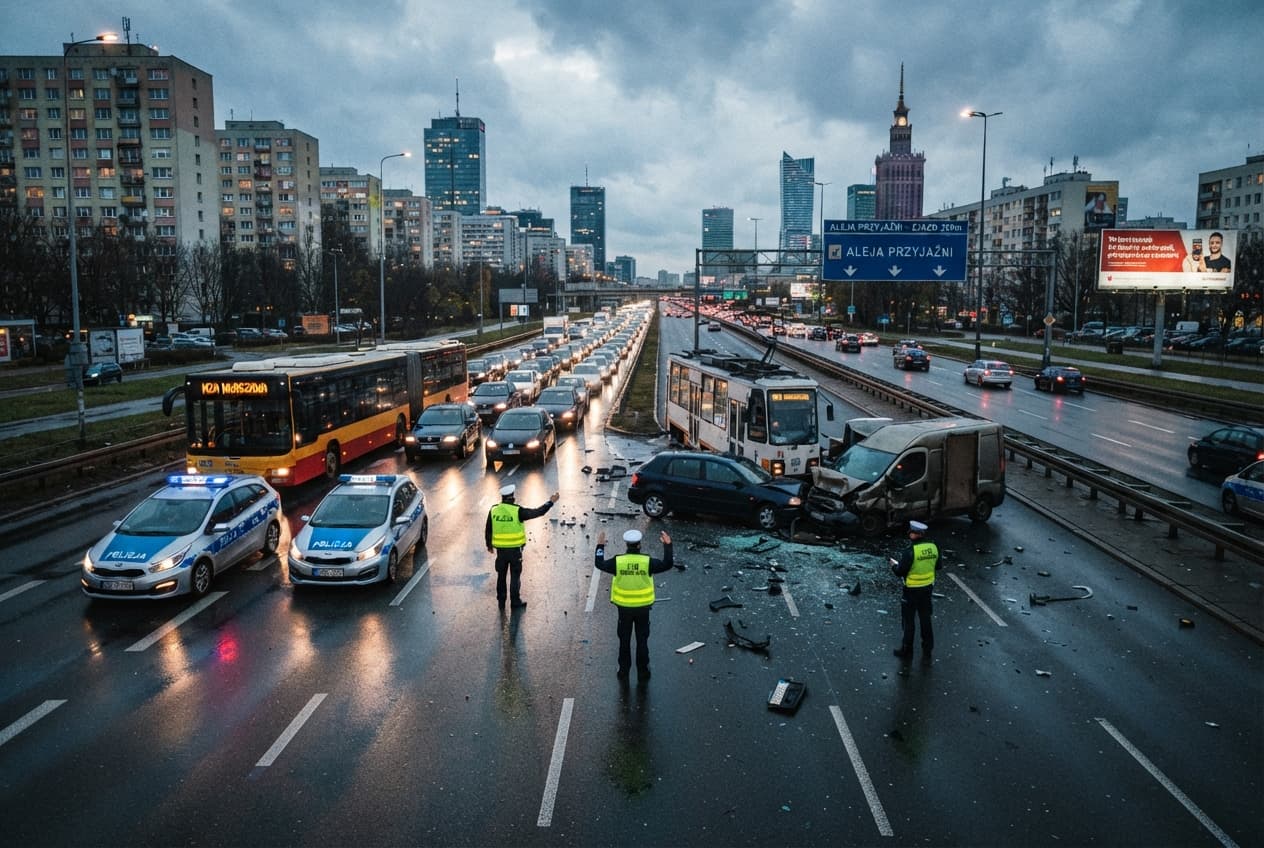
In the soft quiet that often falls before a day of remembrance, we find our thoughts drifting like leaves on a slow river — gentle, reflective, carrying both sorrow and hope. With the fourth anniversary of Russia’s full-scale invasion of Ukraine approaching, Europe stands at a moment that feels much this way: paused between commemoration and action, memory and expectation. It is a season of reflection, yet the path ahead appears fraught with uncertainty, like a horizon blurring between dawn and dusk.
Across the capitals of the European Union, leaders have spoken of unity and enduring support for Ukraine. Peace rallies in cities like Dublin echoed with voices affirming solidarity, compassion, and the determination to uphold democratic freedoms against the gravest of challenges. Ireland’s foreign minister emphasized that the pain and suffering witnessed over these years must not fade from view, insisting that Europe’s responsibility extends beyond mere sentiment to sustained solidarity. Yet even as these affirmations were voiced, the formal machinery of collective assistance encountered significant strain.
On February 23, 2026, just a day before the anniversary, European Union leaders failed to agree on a new package of sanctions against Russia and stalled approval of a €90 billion financial support package for Ukraine — actions that many had hoped would mark the anniversary with renewed purpose. Hungary’s veto, rooted in disputes over energy transit and tied to broader electoral politics at home, blocked not only the sanctions but also crucial economic assistance considered vital to Kyiv’s immediate needs. Such disagreements among member states, while part of the EU’s complex decision-making processes, revealed once again that unity in principle does not always translate seamlessly into unity in action.
Germany’s leaders and officials from France, Poland, and other capitals expressed disappointment, lamenting that the last-minute impasse risked overshadowing the day of remembrance. Some described Hungary’s stance as political sabre-rattling that weakens collective resolve; others echoed calls not to let internal division diminish Europe’s broader commitments.
Framed against the backdrop of ongoing conflict, continued daily violence, and Russia’s own narratives marking the anniversary with military honors in Moscow, the situation underscores the persistent complexity of European support for Ukraine. Even amidst fractures, however, there remain currents of determination: parliamentary sessions restating support, grassroots demonstrations, and repeated calls across European institutions to bear witness to the memories of sacrifice rather than letting them fade.
In news that closed this chapter of inquiry gently yet factually: European Union leaders were unable to adopt a new sanctions package against Russia nor achieve unanimity on a major European loan to Ukraine in the context of the approaching fourth anniversary of Russia’s invasion. Member states like Hungary blocked measures, citing disputes over energy transit and other concerns, while other EU governments reaffirmed their intention to maintain long-term support for Ukraine. Continued diplomatic discussions are expected as the anniversary approaches and as geopolitical tensions endure.
AI Image Disclaimer (Rotated Wording) “Illustrations were produced with AI and serve as conceptual depictions.”
Source Check Reuters (EU support and Hungary’s veto) The Guardian (EU leaders’ reactions) Associated Press / AP News (EU sanctions failure) Sky News (war anniversary wider context) Irish Examiner (solidarity events ahead of anniversary)
Published by Banx Network. This article is part of the Banx decentralized media programme, powered by the BXE token on the XRP Ledger.