There is a particular hush that settles over streets when the first flakes of a heavy snowstorm arrive—light at first, then insistent, layering sidewalks and roadways with a soft white promise of stillness. In a city that rarely sleeps, that hush feels momentous: a pause in the usual flow of life, measured not in minutes but in drifting snowflakes and the slow exhale of winter air. This Sunday, as a powerful nor’easter began its sweep across New York City, the coming storm brought with it more than falling snow: it carried decisions that ripple through daily routines and civic rhythms.
Mayor Zohran Mamdani declared a local state of emergency as blizzard conditions were forecast to deepen through the night, prompting a citywide travel ban that took effect at 9 p.m. Sunday and was set to last until midday Monday. The mandate asked all non-essential vehicles to remain off streets, highways, bridges and public ways so that plows, emergency services and essential workers could move with fewer obstacles. In the quiet of falling snow and rising winds, officials urged New Yorkers to stay indoors for safety and to let nature, for a few hours, reshape the familiar pace of movement as the city braced for what officials described as potential accumulations of up to two feet.
For families and children, there was a different kind of declaration: public schools across the five boroughs were given an old-fashioned snow day. In a nod to the city’s shared experience of winter weather, and following lessons from earlier storms that leaned more heavily on remote learning, classrooms were closed entirely Monday, giving students the rare opportunity to simply be out of step with the usual school week.
The travel ban was not merely symbolic. With blizzard warnings in effect and the National Weather Service forecasting heavy snow and winds, authorities hoped to minimize risk on streets where whiteout conditions could transform familiar avenues into uncertain terrain. Public transit was also affected: some rail services suspended operations overnight, and transit agencies prepared for significant disruptions. Air travel across the broader region saw thousands of cancellations as aircraft stood down, grounded by the intensity of the weather and the ripple effects of the storm system stretching up the East Coast.
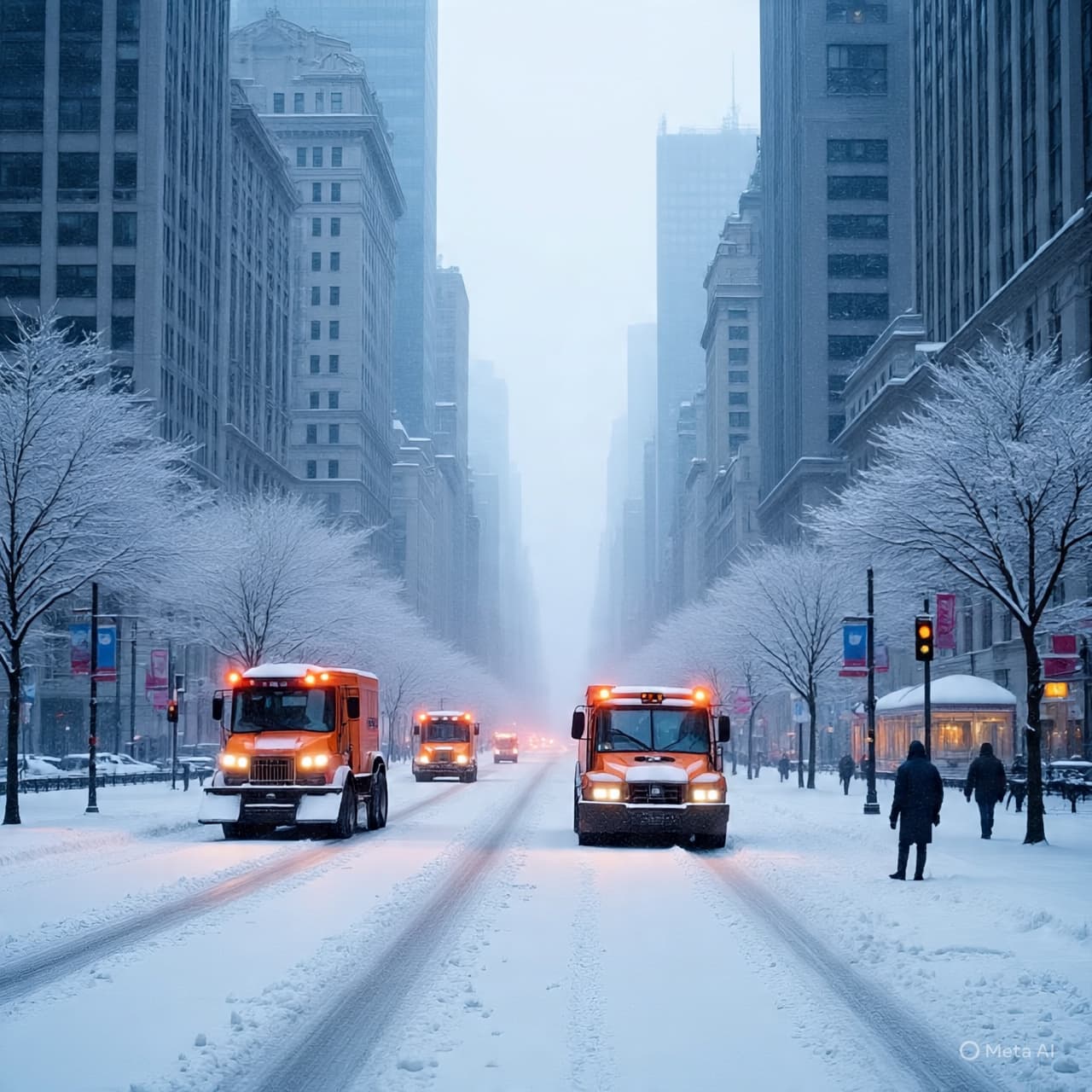
For many residents, winter in New York is a tradition as much as a season—sidewalks swept by salt and plow, park benches buried in snowdrifts, commuters wrapped in layers navigating slush and sleet. But a storm of this scale brings with it a collective pause. Streets that are normally thick with honking traffic became silent expanses save for the methodical hum of plow lines and emergency vehicles. In apartment windows overlooking quiet avenues, the city’s inhabitants watched as the flurry turned to accumulation, feeling that familiar blend of inconvenience and wonder that only winter’s full arrival can conjure.
Officials stressed that while essential services would continue, residents’ cooperation with the travel ban would be crucial to public safety. The Department of Sanitation shifted workers to extended schedules, deploying snowplows and crews around the clock in an effort to keep critical thoroughfares clear once the heaviest snowfall subsided. Emergency outreach teams canvassed boroughs to ensure vulnerable residents were brought into sheltered spaces, and warming centers were readied to offer refuge through the coldest hours.
And so the city, accustomed to rush and resolve, surrendered for a moment to winter’s pace. Snow days and travel bans are not merely practical responses to hazardous conditions; they are also reminders of the interconnectedness of infrastructure, weather and community. In the brief stillness between departing snowflakes and returning sun, New York’s streets told a simple story of preparation and patience—of a city that knows how to pause without losing its pulse.
AI Image Disclaimer Visuals are AI-generated and serve as conceptual representations.
Sources Reuters ABC7NY Chalkbeat New York Business Insider CBS News New York
Published by Banx Network. This article is part of the Banx decentralized media programme, powered by the BXE token on the XRP Ledger.