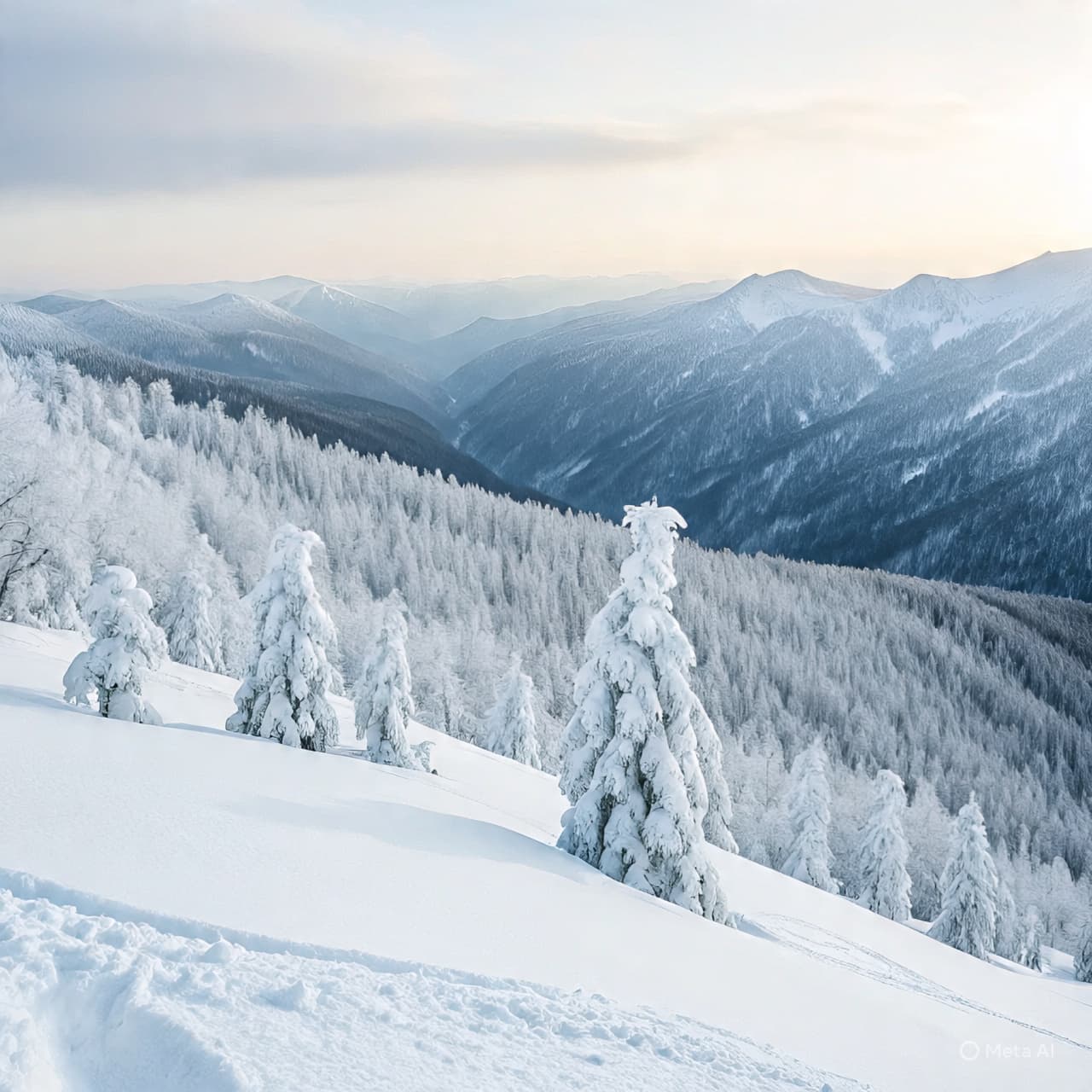
Each winter, steep slopes on Mount Zao in northern Japan transform into a ghostly, snow-swathed forest. Towering firs, lashed by freezing winds and coated in thick rime ice and snow, take on monstrous shapes — a spectacle locals call the “snow monsters.” Tourists travel from afar to walk among these frozen sentinels, to watch the world turn white and surreal.
But in recent years those monstrous forms have begun to unravel. Observers say snow-monster formations are thinner, shorter, sometimes absent — the winter cloak appears lighter, the once-sturdy icy figures more fragile. What was a reliable sign of winter’s raw beauty now feels uncertain.
Scientists and environmental watchers suggest a simple but troubling culprit: shifting climate patterns. Warmer winters, altered precipitation cycles, occasional thaws — all make the heavy snow and rime ice needed to sculpt snow monsters less frequent or less intense. When conditions no longer align — when snow is too shallow, ice doesn’t accumulate, or thaw comes too soon — trees remain bare or only faintly dusted, deprived of the robust, otherworldly coat that once defined them.
For the local economy, the change brings more than aesthetic loss. Winter tourism to Mount Zao has long counted on the snow-monster phenomena to draw visitors. Hotels, ski resorts, guides, restaurants — many depend on that frozen magic. As the snow monsters shrink, so does the lure of a white winter, and with it the livelihoods linked to it.
Beyond tourism, the decline serves as a quiet alarm bell: a tangible marker of environmental shifts. Where once climate felt stable enough to guarantee snow every winter, now even legendary winter icons are faltering. If the snow monsters are threatened, what else lies at risk — glaciers, ecosystems, water cycles, winter traditions?
In that fading white forest lies a broader narrative about the fragility of natural wonders. Mount Zao’s snow monsters were never just frozen trees; they were symbols of winter’s power, of nature’s capacity to sculpt beauty out of ice. Their shrinking reminds us that even legends feel the weight of climate change — and even the most magical landscapes depend on stability.
Published by Banx Network. This article is part of the Banx decentralized media programme, powered by the BXE token on the XRP Ledger.