Evening along the Mediterranean has a particular softness in late summer. The sea reflects the last light in long ribbons of silver, and the city hum lowers into something almost intimate. In such hours, Beirut often feels suspended between memory and motion — a place that has known both ruin and renewal, carrying each chapter quietly within its stone and glass.
This week, that softness gave way to the sharp percussion of airstrikes.
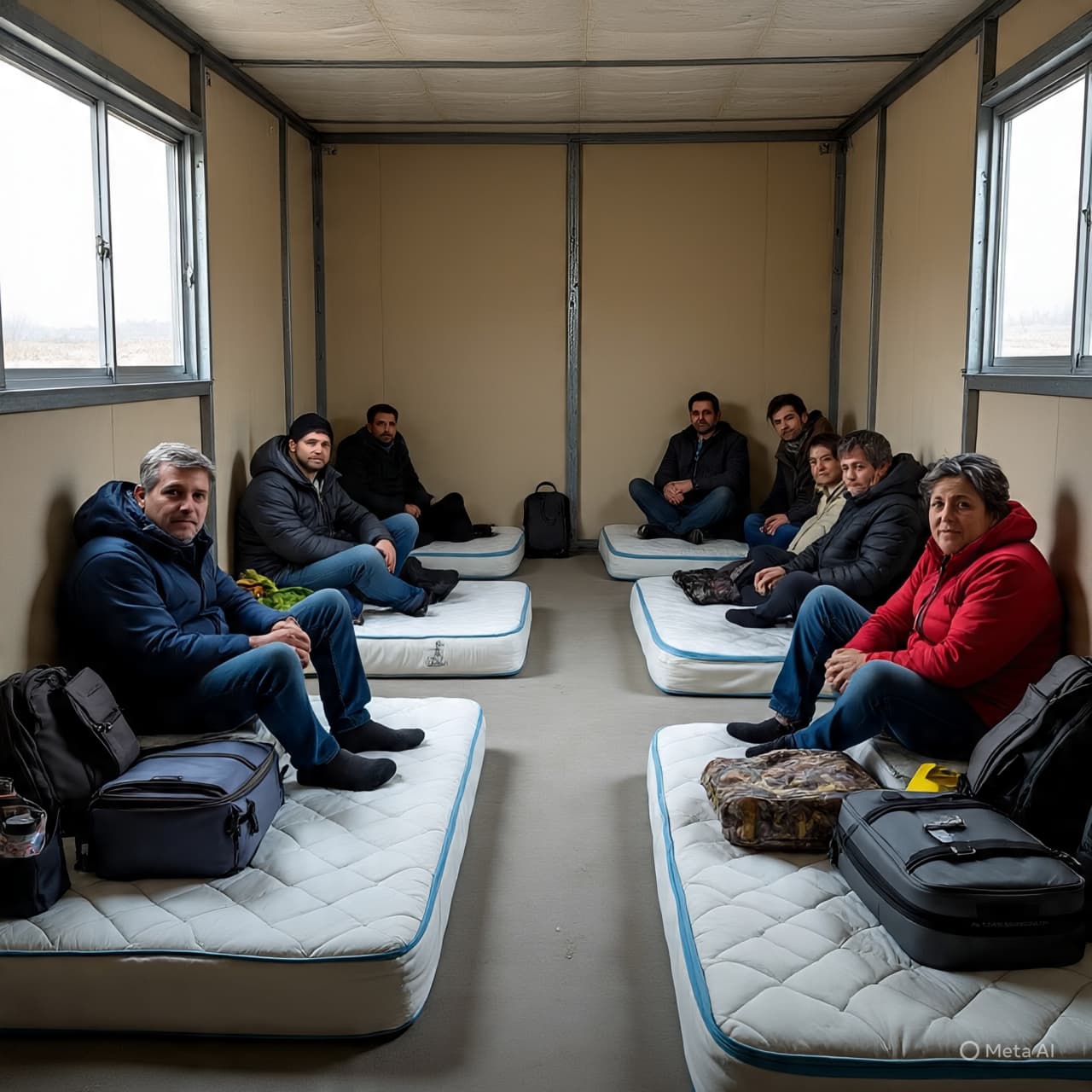
Explosions echoed across southern districts of Beirut as Israeli aircraft targeted sites officials described as linked to Hezbollah. Smoke rose above residential neighborhoods, and thousands of residents moved quickly into schools, underground garages, and makeshift shelters. Mattresses were unrolled in corridors. Water bottles were passed hand to hand. The familiar choreography of uncertainty returned.
Yet the tremor in the air was not only physical. In the days surrounding the strikes, political voices within Lebanon shifted in tone. Senior officials, long cautious in their language toward Hezbollah’s role as both armed movement and political force, began to speak more openly about sovereignty, accountability, and the cost of unilateral military decisions. Statements that once leaned toward accommodation carried a new edge of concern.
Hezbollah has for decades positioned itself as a defender against Israel, maintaining a formidable arsenal and deep political influence. But as cross-border exchanges intensified and airstrikes reached deeper into Beirut’s southern suburbs, critics within Lebanon’s fragmented leadership argued that decisions of war and peace cannot rest outside the state’s formal institutions. The language was measured, yet unmistakable: the burden of escalation is borne not only by fighters, but by families sheltering beneath stairwells.
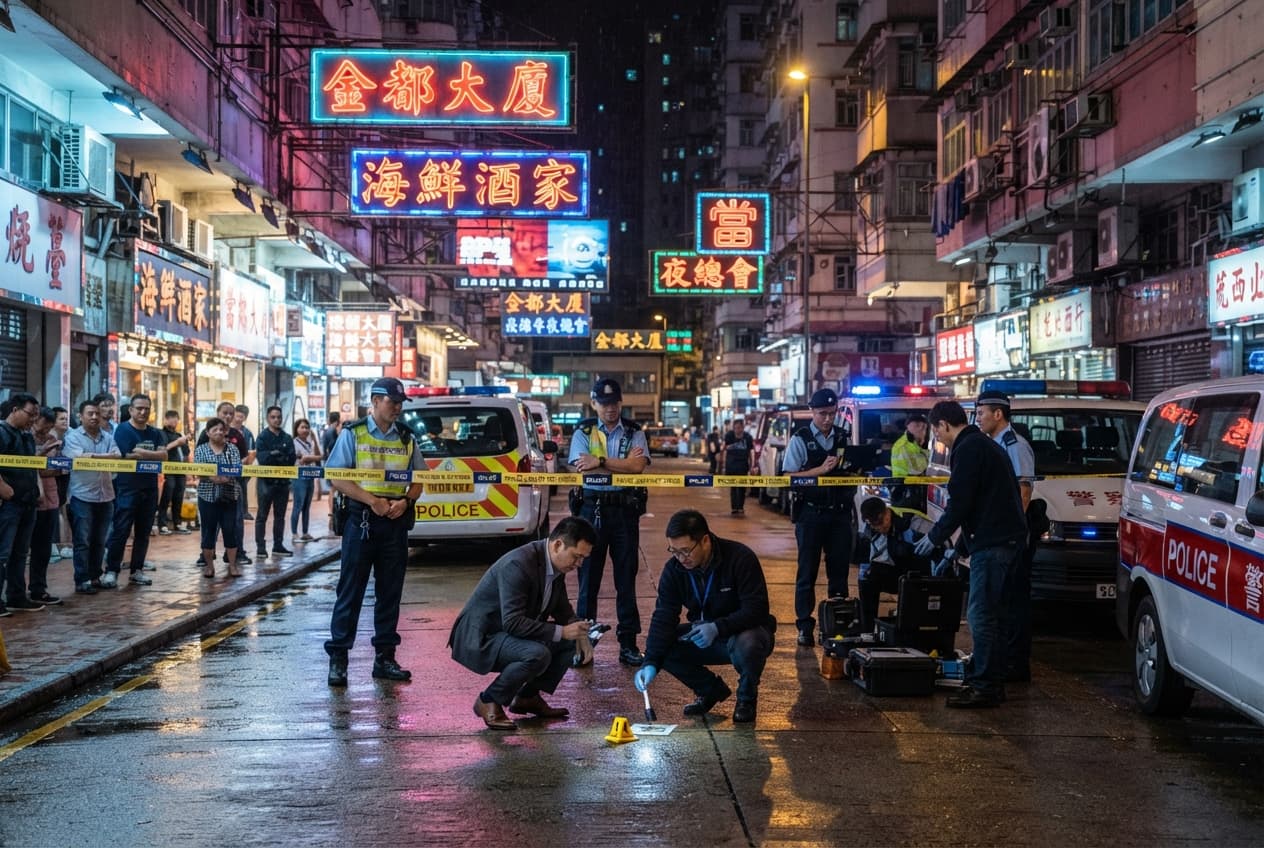
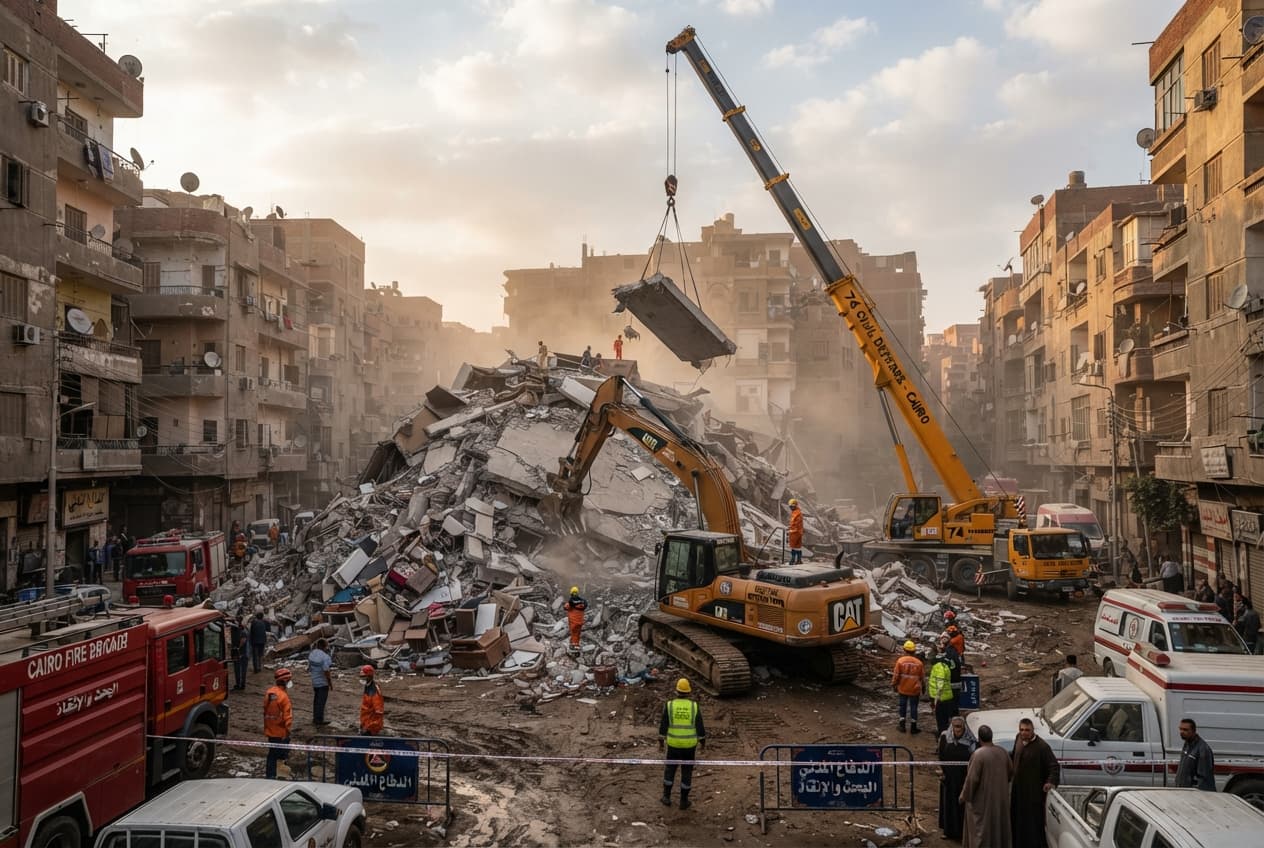
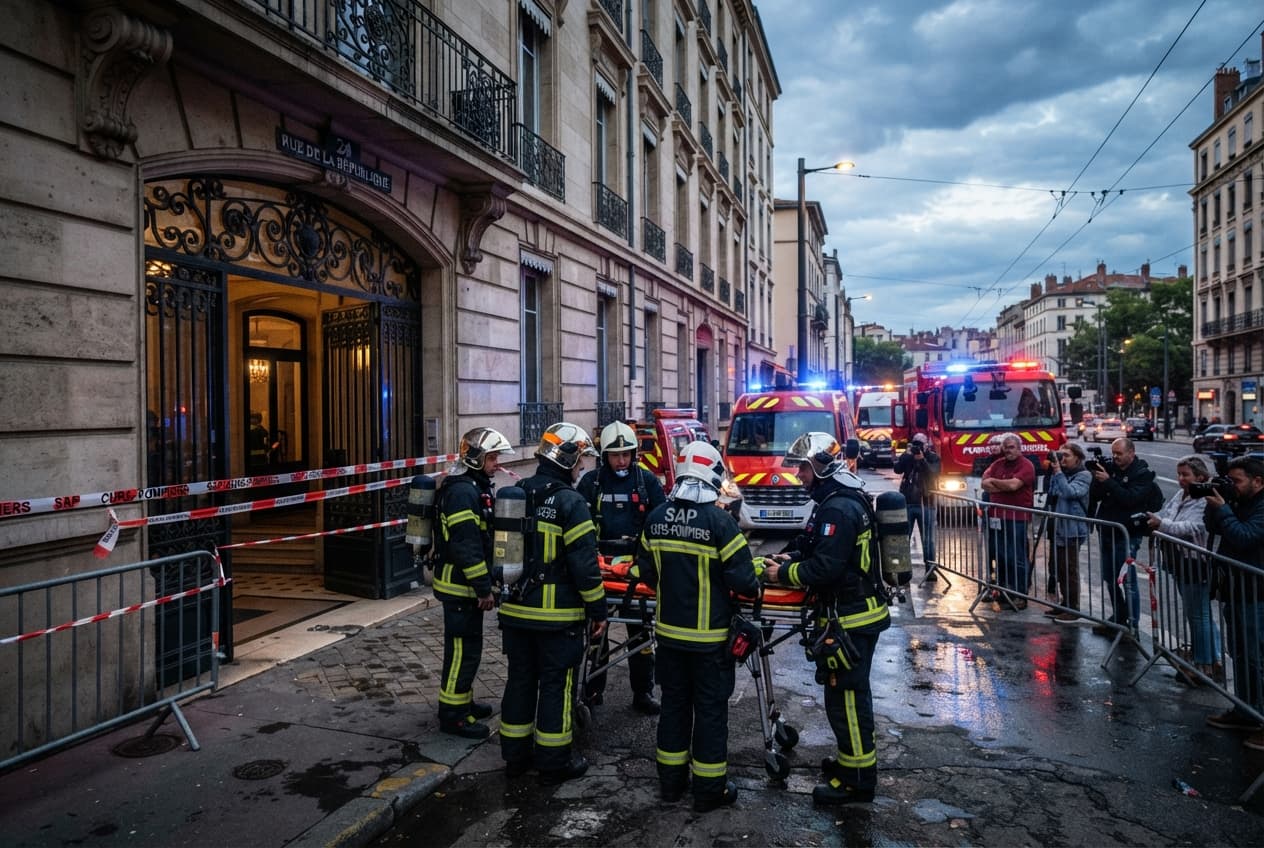
Israel, for its part, said the strikes were in response to rocket fire and security threats emanating from Hezbollah-controlled areas. Military officials described the campaign as targeted, though the reverberations spread widely. Residential buildings were damaged. Infrastructure was strained. Humanitarian agencies reported growing displacement within and around the capital.
In the narrow streets of affected districts, daily life paused. Shopkeepers shuttered storefronts. Parents weighed whether to send children northward to relatives. The Corniche, usually animated by joggers at dusk, grew subdued. Conflict, when it arrives in a city so accustomed to balancing fragility and resilience, carries a different register — not shock alone, but a weary recognition.
Lebanon’s political system, already contending with economic crisis and institutional paralysis, now faces a sharper internal debate. Some lawmakers have called for renewed enforcement of U.N. resolutions that limit non-state armed activity. Others warn that public division could deepen instability at a moment when cohesion is most needed. The army has increased patrols in parts of the capital, seeking to signal order amid uncertainty.
In recent days, thousands have sought temporary shelter as airstrikes continued intermittently. Casualty figures remain under assessment, and diplomatic efforts are underway to prevent broader escalation. International actors have urged restraint on all sides, while humanitarian groups prepare for potential longer-term displacement.
In direct terms, Israeli airstrikes struck areas of Beirut linked to Hezbollah amid rising cross-border hostilities. Thousands of residents have taken shelter. Lebanese political leaders have voiced growing criticism of Hezbollah’s independent military actions, signaling a shift in domestic rhetoric as the conflict unfolds. The situation remains fluid, with further developments possible.
AI Image Disclaimer Illustrations were created using AI tools and are not real photographs.
Sources (Media Names Only) Reuters Associated Press BBC News Al Jazeera The Guardian
Published by Banx Network. This article is part of the Banx decentralized media programme, powered by the BXE token on the XRP Ledger.