
Key Highlights
- Recent airstrikes in Beirut have targeted Hezbollah-linked sites.
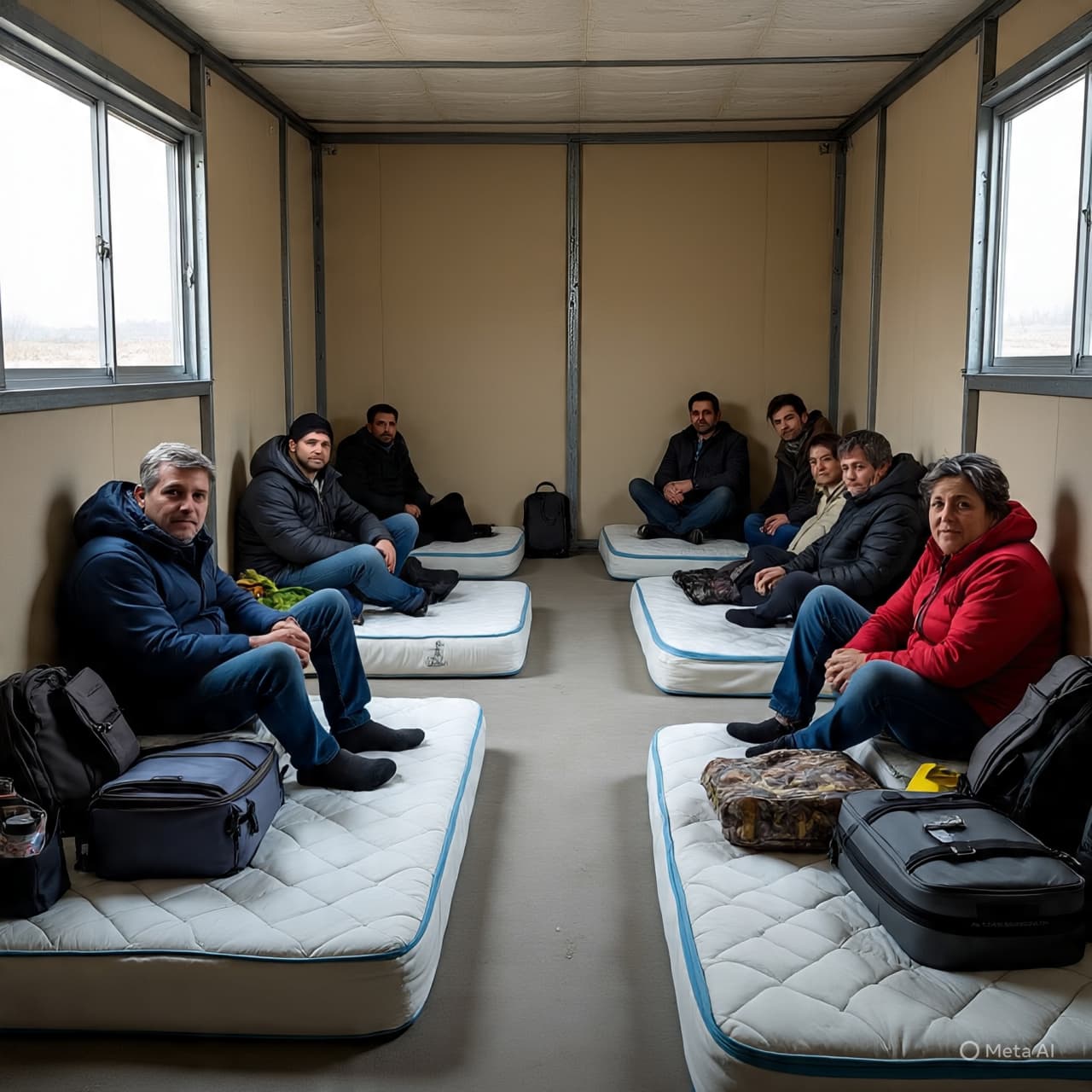
- Thousands of residents have sought shelter amid escalating tensions.
- Lebanese political leaders are increasingly critical of Hezbollah's military actions.
The Mediterranean evening typically brings a sense of calm, especially in late summer when the sun sets over Beirut, casting a soft glow across the city. However, this tranquility was shattered recently as Israeli airstrikes struck southern districts, targeting locations associated with Hezbollah. The explosions reverberated through the city, prompting thousands of residents to flee to schools, underground garages, and makeshift shelters, reminiscent of past conflicts that have left deep scars on the Lebanese psyche.
As the smoke billowed over residential neighborhoods, the atmosphere shifted not only physically but politically. In the wake of the airstrikes, Lebanese officials, who have historically treaded carefully around Hezbollah's dual role as a military and political entity, began to express concerns about sovereignty and accountability. This marked a notable change in rhetoric, as leaders who once leaned towards accommodation now voiced apprehensions about the implications of unilateral military actions.
Hezbollah, which has long positioned itself as a defender against Israeli aggression, faces increasing scrutiny from within Lebanon. Critics argue that the decisions regarding war and peace should not rest solely with non-state actors like Hezbollah but should involve the formal institutions of the Lebanese state. As cross-border tensions escalate, the burden of conflict is felt acutely by families seeking safety amidst the chaos.
In response to the airstrikes, Israeli military officials stated that the operations were a direct response to rocket fire and security threats from Hezbollah-controlled areas. While the strikes were described as targeted, the collateral damage has been significant, with reports of residential buildings being damaged and infrastructure strained. Humanitarian agencies have raised alarms about the growing number of displaced individuals within and around Beirut, as the city grapples with the fallout of renewed violence.
Daily life in the affected districts has come to a standstill. Shopkeepers have closed their businesses, and parents are faced with the difficult decision of whether to send their children to relatives in safer areas. The Corniche, usually bustling with joggers and families, has become eerily quiet, reflecting the somber mood that accompanies conflict in a city accustomed to navigating fragility and resilience.
Lebanon's already fragile political landscape is now further complicated by this escalation. Lawmakers are divided on how to respond, with some advocating for stricter enforcement of U.N. resolutions that limit the activities of non-state armed groups. Others caution that public discord could exacerbate instability at a time when national unity is crucial. The Lebanese army has increased its presence in the capital, attempting to restore a sense of order amid the uncertainty.
As airstrikes continue intermittently, thousands of residents remain displaced, seeking refuge from the violence. Casualty figures are still being assessed, and diplomatic efforts are underway to prevent further escalation. International actors have called for restraint from all parties involved, while humanitarian organizations prepare for the possibility of a prolonged crisis.
In summary, the recent Israeli airstrikes in Beirut have intensified the already complex dynamics of Lebanese politics and society. With thousands seeking shelter and political leaders voicing growing criticism of Hezbollah's military actions, the situation remains fluid, with potential for further developments in the coming days.
Published by Banx Network. This article is part of the Banx decentralized media programme, powered by the BXE token on the XRP Ledger.



