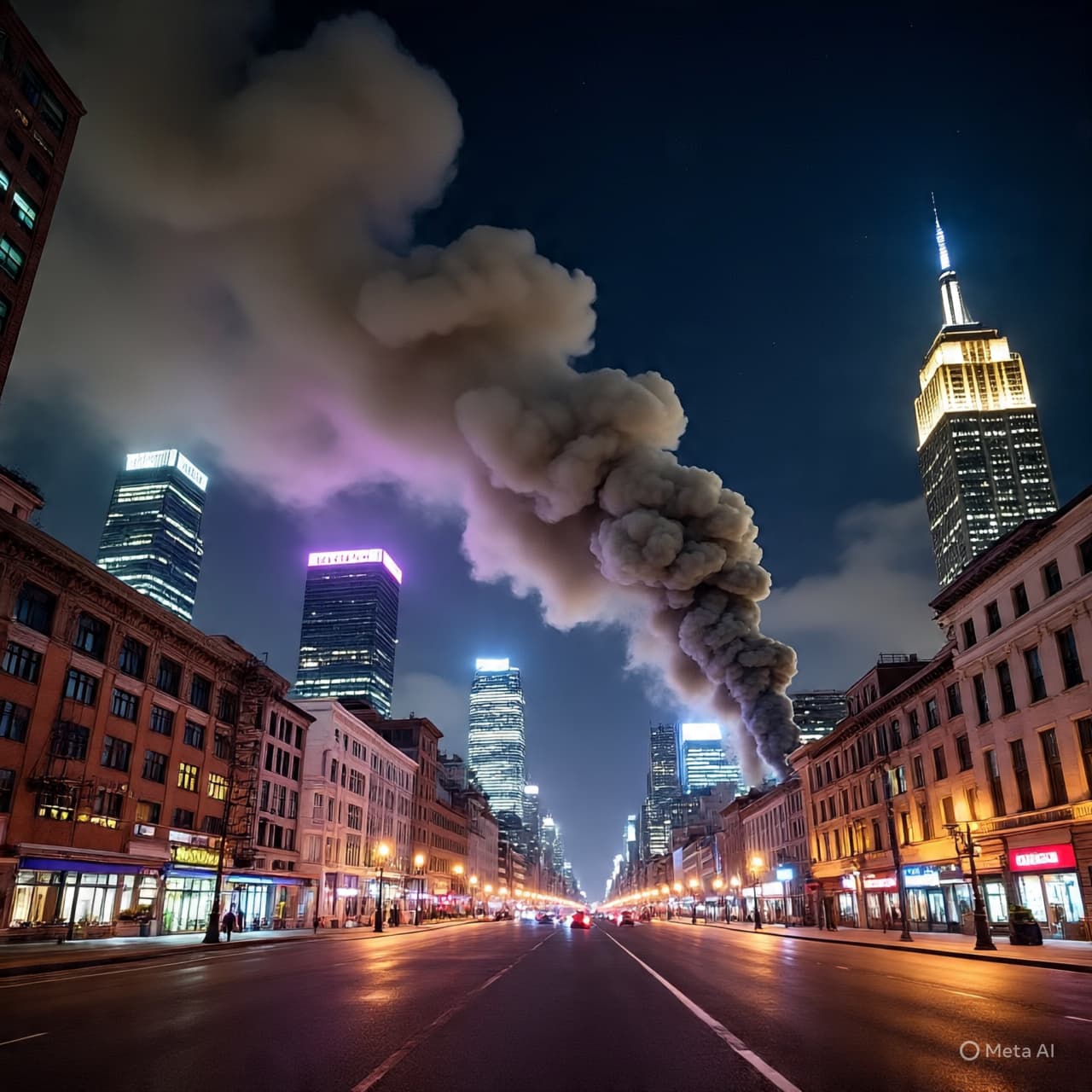
In the early hours of a cool Middle Eastern morning, when most streets still cradle the bow of night, the sudden roar of explosions etched a new story into the cityscape. The sky above Beirut — a city that has learned both resilience and sorrow through decades of history — was streaked with plumes of smoke. It was a scene that seemed to breathe out grief and tension, a reminder that conflict is both an echo and an unfolding present. The latest chapter in this densely woven narrative came when Israeli military forces struck a building in south Beirut that houses the studios of Al-Manar TV, a broadcaster associated with the Hezbollah movement. Black clouds rose over the suburb of Haret Hreik, the kind of image that settles into memory as a symbol of a city caught between forces beyond its choosing. Reports from multiple outlets describe how the strike followed warnings from Israeli authorities, who said the target was linked to command infrastructure — a classification that war-weary residents and media watchers alike understand but nonetheless feel when the sky lights up in a flash. Meanwhile, the toll of violence continues to rise in neighbouring Iran. Independent figures and humanitarian sources report that hundreds of civilians have been killed in recent days amid a surge of airstrikes and bombardments involving Israeli and allied forces. Entire neighbourhoods, residential areas and even schools have been struck, drawing expressions of alarm from groups that track civilian casualties in conflict zones. The numbers are still being gathered, but they exceed what previous figures showed just days ago. This escalation did not arise from a vacuum. Tensions that had simmered for years have now boiled into broader clashes involving multiple state and non-state actors. In Beirut, Lebanese authorities have documented dozens of deaths and injuries from airstrikes and shelling, while UN and local shelter networks report tens of thousands displaced from their homes, seeking refuge in quieter parts of the city or beyond. In Tehran, alongside the tally of lives lost, there are reports of near-total internet blackouts and restricted communications that make independent verification of conditions difficult, heightening anxieties both inside and outside the country. Quiet streets become stages for uncertainty and worry, where everyday routines are interrupted by alerts and the unpredictable noise of conflict. Against this backdrop, concerns about the widening footprint of violence underscore how interconnected these events have become — not just between neighbouring capitals, but within the hearts of ordinary people whose daily rhythms have been disrupted. Each hospital ward, each street corner, holds its own story of fear and loss, and each newly counted casualty reflects a life that was part of a family, a neighbourhood, a community. In places like Beirut and Tehran, the smoke that rises does not disappear quickly. It settles into conversations, into the way children look at rooftops, into the way the morning light filters through the remains of buildings that once stood whole. And as international voices call for restraint and diplomacy, the human toll continues its quiet, relentless count — a reminder that behind every report is a story of lives forever altered.
AI Image Disclaimer (Rotated Wording)
“Visuals are created with AI tools and are not real photographs, intended for representation only.”
---
Sources
Main sources referenced: Reuters AP News The Guardian Anadolu Agency bdnews24 (citing BBC/Al Jazeera)
Published by Banx Network. This article is part of the Banx decentralized media programme, powered by the BXE token on the XRP Ledger.