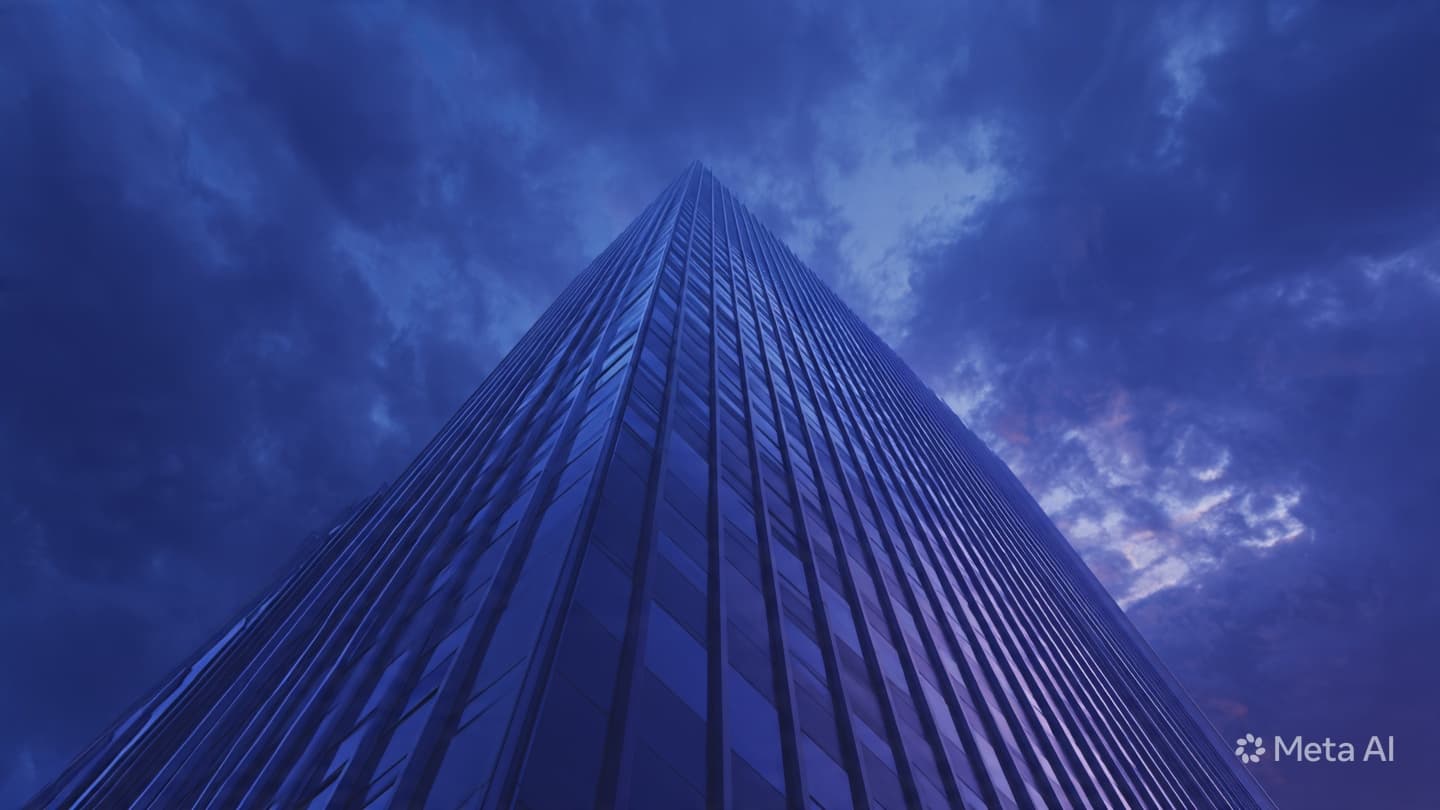
The modern high-rise is an architectural testament to our ambition, a vertical city that offers both a sense of community and the promise of elevated living. Yet, in the density of these towers, the simple act of living is accompanied by a unique set of risks. When fire strikes within the confines of an apartment building, the verticality that defines the structure becomes a challenge to navigate, and the safety we take for granted can be tested in a matter of minutes.
An apartment blaze recently broke out in a high-rise building in Ajman, quickly drawing the attention of local authorities and neighbors. The fire, which originated within an upper-level residence, sent plumes of smoke billowing into the evening sky. For the residents of the building, the emergency was a sudden intrusion into the sanctity of their homes, a transition from the quietude of the evening to a state of urgent, collective response.
Firefighters were deployed to the site, engaging in a difficult, multi-level effort to contain the blaze and assist in the evacuation of the building. The challenges of a high-rise environment—from the mechanics of the stairwells to the ventilation of smoke—made the rescue operation a complex test of skill. As the flames were brought under control, the focus shifted to the search for those who might have remained within the affected units.
Tragically, the incident resulted in one fatality caused by smoke inhalation. The loss of a single life within the shared walls of a high-rise is a profound reminder of how interconnected our safety truly is. While the fire was contained to a specific section of the tower, the fear and the tragedy have touched all who reside there, leaving a somber mark on the local community.
The investigation into the cause of the fire is currently active, with inspectors looking into the electrical and structural factors that might have contributed to the ignition. For a high-rise resident, the integrity of these systems is the invisible foundation of their security. The event has prompted a review of the building’s safety compliance, serving as a reminder that the maintenance of these systems is a constant, non-negotiable requirement.
As the building begins the slow process of returning to normal, the residents are left to reconcile the fear of the event with the reality of their living situation. Many have been temporarily displaced while repairs are made to the affected floors. The community has shown its support, with neighbors reaching out to those who have lost their belongings and those who are struggling with the emotional aftermath.
The tragedy in Ajman serves as a catalyst for a broader discussion on high-rise fire safety standards. City officials are expected to use the findings of the investigation to assess the current protocols for fire detection and suppression in similar structures across the region. The goal is to ensure that the vertical cities of the future are as safe as they are ambitious.
For the family of the deceased, the loss is immediate and personal. The community holds them in their thoughts as they navigate the difficult path of mourning. The event, while isolated to one building, stands as a symbol of the shared experience of urban life—where we are all, in a sense, responsible for one another’s safety.
The investigation into the fire is ongoing, with authorities focusing on the origin of the smoke and the performance of the building's fire alarm system. The tower remains under observation while cleaning and safety checks are performed. Further information regarding the cause and the status of the building's safety certification will be provided as the inquiry concludes.
Published by Banx Network. This article is part of the Banx decentralized media programme, powered by the BXE token on the XRP Ledger.