
Key Highlights
- New Initiative:China introduces a decarbonization program for heavy industries.
- Focus Areas:The program targets steel, cement, chemicals, and power generation sectors.
- Long-term Goals:Aims to improve energy efficiency and reduce greenhouse gas emissions.
China is embarking on a significant transformation in its industrial sector with the introduction of a new industrial decarbonization program. This initiative is designed to enhance energy efficiency across heavy industries, including steel, cement, chemicals, and power generation. As part of a broader strategy to modernize its manufacturing landscape, the program aims to lower carbon emissions while maintaining economic growth.
The decarbonization plan does not intend to slow down industrial activity. Instead, it emphasizes the replacement of outdated equipment and the improvement of production processes. By expanding the use of renewable electricity and promoting cleaner technologies, such as hydrogen-based manufacturing, China is positioning itself to meet both environmental and economic objectives.
Heavy industry has long been a significant contributor to China's greenhouse gas emissions. By improving energy efficiency, the government anticipates a reduction in fuel consumption, which will not only lower production costs but also enhance the competitiveness of Chinese manufacturers in the global market. This dual focus on sustainability and economic viability is crucial as the country navigates its industrial future.
In addition to traditional manufacturing improvements, there is a growing trend among manufacturers to invest in digital technologies and automation. These advancements are expected to facilitate smarter energy management systems, allowing factories to operate more efficiently while aligning with environmental targets. The integration of technology into manufacturing processes represents a critical step toward achieving a cleaner industrial landscape.
However, the transition to cleaner industrial practices will require substantial investment and ongoing technological innovation. Analysts suggest that while the changes may take time, they could ultimately strengthen China's position in the global clean manufacturing sector. The gradual adaptation of industries to these new standards reflects a long-term commitment to balancing economic activity with environmental responsibility.
As the implementation of this decarbonization program unfolds, officials and industry stakeholders will closely monitor progress over the coming years. The expansion of efficiency projects and cleaner technologies across the country will be pivotal in determining the success of this initiative and its impact on China's industrial future.
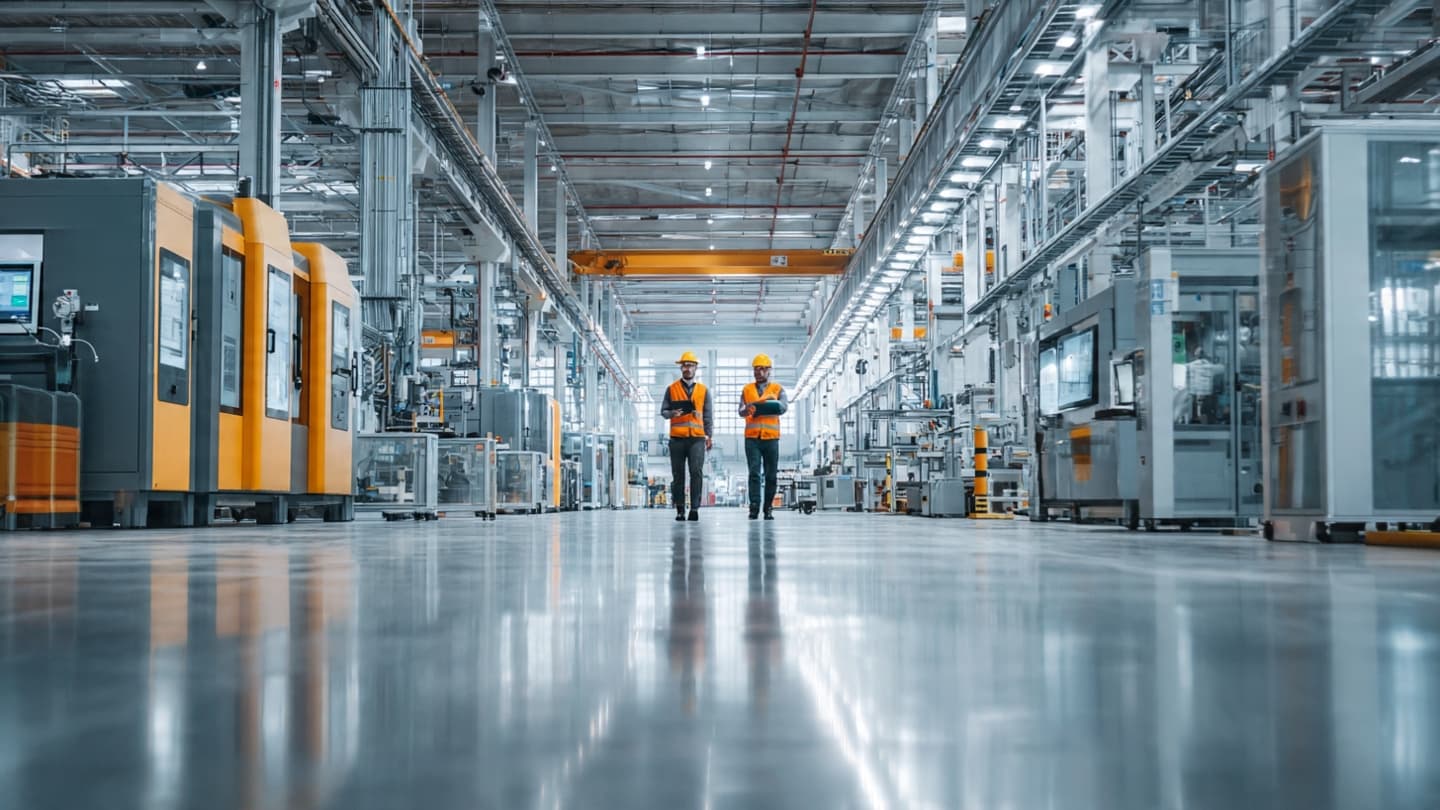
AI Image Disclaimer: Illustrations were created using AI tools and are not real photographs.
Published by Banx Network. This article is part of the Banx decentralized media programme, powered by the BXE token on the XRP Ledger.



