There is a certain poetry in the way landscapes change over time — like fields once clouded by smoke slowly meeting the sun. In Romania, this shift has become more than metaphor: it is a story etched into the nation’s economic charts and reflected in the pale blue of clear skies. Once known for its heavy industry and coal-fired power, this Eastern European country now finds itself at an unexpected crossroads where economic growth and carbon emissions no longer march in lockstep. The old rhythm, long held as a truism of industrial economies, appears to be loosening its hold.
In the decades since the fall of communism, Romania’s industrial heart has changed its pulse. The dramatic restructuring that followed the early 1990s — when many factories closed and energy patterns shifted — set the stage for a profound transformation. Today, Romania’s net greenhouse gas emissions intensity per unit of output has fallen by an extraordinary 88% compared with 1990, while real gross domestic product has doubled. Total emissions have plunged by roughly 75% in that same span. Such figures suggest a remarkable decoupling of growth from pollution, a milestone few nations have achieved at comparable speed.
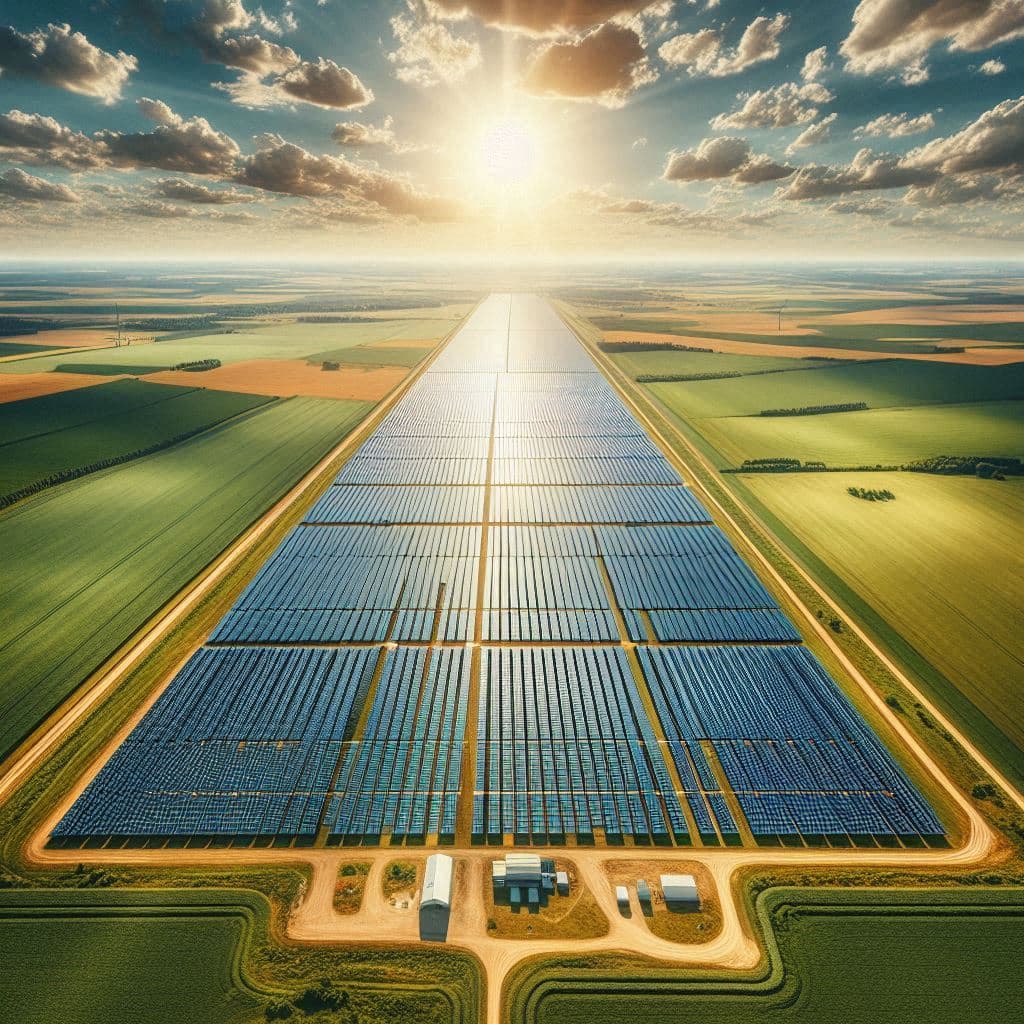
This outcome has not sprung from a single policy or dramatic intervention, but from a long arc of change. The country’s accession to the European Union in 2007 brought with it environmental standards and incentives that nudged investment toward cleaner energy and forced the closure of the most polluting facilities. Wind farms rose near the Black Sea, solar panels peppered fields and rooftops, and a nuclear power plant’s lifetime was extended along the Danube. These developments, combined with an economy that increasingly leaned into services, helped reshape Romania’s emissions profile.
Yet the narrative is not without its complexities. The early declines in emissions owed much to the contraction of heavy industry — a change that brought hardship to communities once anchored in mining and manufacturing. Former industrial towns saw depopulation as workers sought opportunities elsewhere, and rural regions faced their own transitions. Environmental progress and economic growth have not always moved hand in hand with social well-being, underscoring that decoupling statistics tell only part of Romania’s story.
There are also active debates about the country’s future energy choices. Investments in gas infrastructure, including offshore exploration and new gas-fired plants, have drawn scrutiny from climate advocates who question whether such moves align with long-term sustainable goals. And while Romania’s forests have absorbed significant amounts of carbon, data points suggest that emissions from certain sectors — including households — have grown in recent years. These dynamics raise thoughtful questions about the sustainability of the trend and how best to sustain momentum.
Still, Romania’s experience offers a lens through which other middle-income nations might reconsider prevailing assumptions about growth and its environmental cost. It suggests that with strategic alignment, economic progress need not carry the same carbon burden it once did — even if the path is neither simple nor without sacrifice. In a world grappling with the urgency of climate change, such lessons — both practical and human — may prove as significant as the numbers themselves.
AI IMAGE DISCLAIMER “Graphics are AI-generated and intended for representation, not reality.”
SOURCES (Media Names Only) The Guardian Digi24 Romania Romania Insider European Parliament Think Tank World Bank Group
Published by Banx Network. This article is part of the Banx decentralized media programme, powered by the BXE token on the XRP Ledger.