

Key Highlights
- Wildfires in Canada are impacting air quality across the U.S.
- Former President Trump criticizes Canadian leadership over smoke issues.
- Experts emphasize the need for international cooperation in wildfire management.
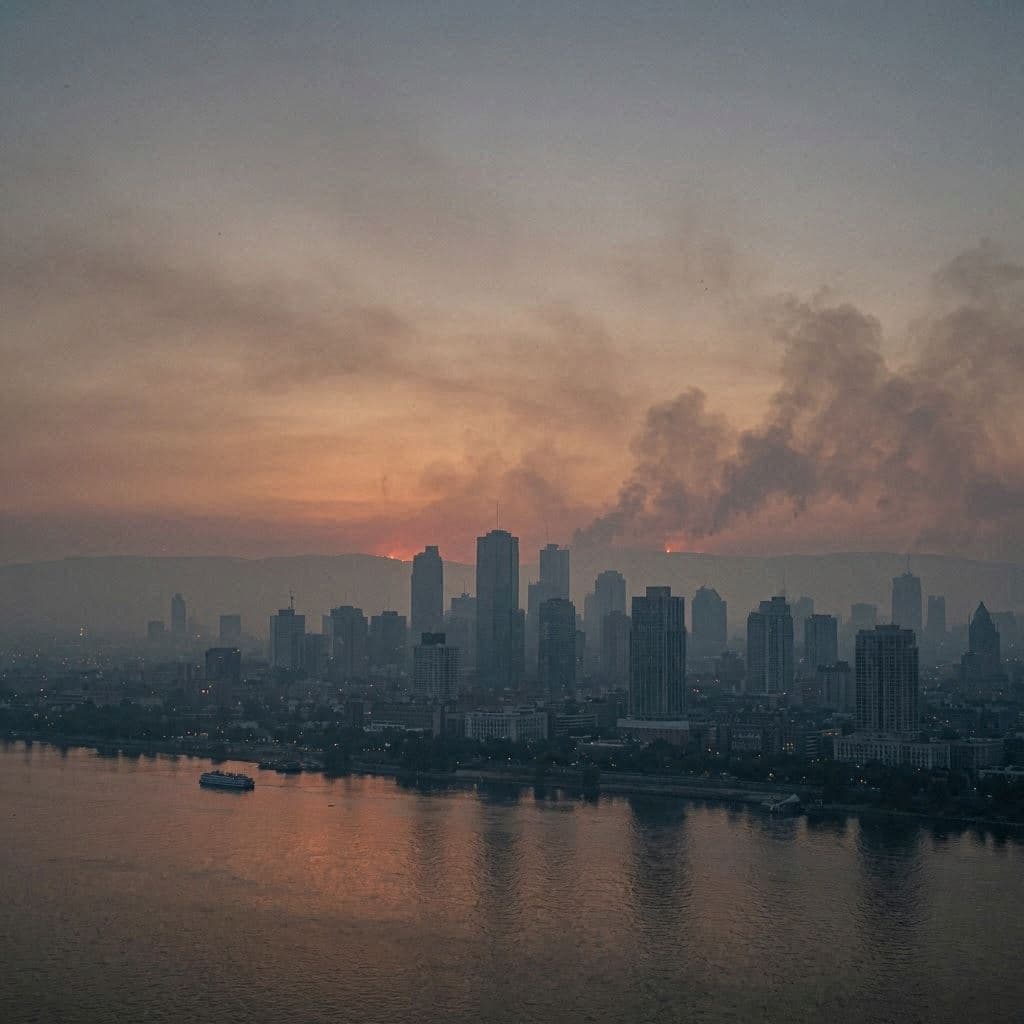
Wildfires in Canada, particularly in Ontario, have intensified due to extreme heat and dry conditions, leading to hazardous air quality in several U.S. cities, including Chicago and New York. As smoke drifts southward, residents are facing not only visibility issues but also significant health risks, especially those with pre-existing respiratory conditions. This environmental crisis serves as a stark reminder of the interconnectedness of ecosystems across North America, where actions in one country can have immediate repercussions in another.
Former President Donald Trump has publicly criticized Canadian Prime Minister Mark Carney, accusing him of failing to adequately manage the wildfires that are affecting American air quality. Trump's comments reflect a broader narrative of accountability, suggesting that Canada must take more decisive action to control its forest fires. However, experts argue that wildfire management is complex and influenced by global climate patterns, indicating that no single nation can shoulder the blame for these environmental challenges.
In response to the criticism, Prime Minister Carney and Canadian officials have highlighted their ongoing efforts to combat the wildfires. They have deployed additional resources and are coordinating with U.S. agencies to mitigate the impact of the smoke. Canadian officials emphasize that the scale of the wildfires is exacerbated by long-term climate trends and extreme weather events, which necessitate collaborative solutions rather than unilateral blame. This perspective underscores the importance of shared firefighting resources and joint research initiatives aimed at fire prevention.
The political implications of this situation add another layer of complexity. Trump's critique aligns with his broader focus on national sovereignty and the protection of American interests. Meanwhile, Carney faces the challenge of balancing domestic priorities with international relations, striving to maintain Canada’s image as a responsible partner. The dialogue between the two leaders, though fraught with tension, highlights the critical role of diplomacy in addressing transnational environmental issues.
Public sentiment in both countries is mixed, with some advocating for stricter measures against wildfires while others call for empathy and understanding. The smoke itself has become a symbol of this division, obscuring clear lines of responsibility and complicating the search for solutions. As citizens contend with the hazy air, they are reminded that environmental challenges do not recognize political boundaries, necessitating a unified response that transcends partisan divides.
Looking forward, the frequency and intensity of wildfires are projected to increase due to climate change, making this a persistent issue for North America. To address these challenges effectively, building resilient infrastructure, enhancing early warning systems, and fostering cross-border cooperation will be essential. The current tensions surrounding wildfire smoke could serve as a catalyst for deeper discussions on how neighboring countries can collaborate to protect their shared environment.
The drifting smoke from Canadian wildfires is a call for collaboration rather than conflict. While political debates continue, the immediate priority remains public health and effective fire management. Through dialogue and joint action, the U.S. and Canada can tackle the root causes of these crises, ensuring cleaner air for all.
Published by Banx Network. This article is part of the Banx decentralized media programme, powered by the BXE token on the XRP Ledger.




