
Key Highlights
- Increased Neglect:Many Americans are skipping routine dental checkups.
- Health Implications:Untreated dental issues can lead to serious health problems.
- Solutions Emerging:Mobile clinics and tele-dentistry are addressing access barriers.
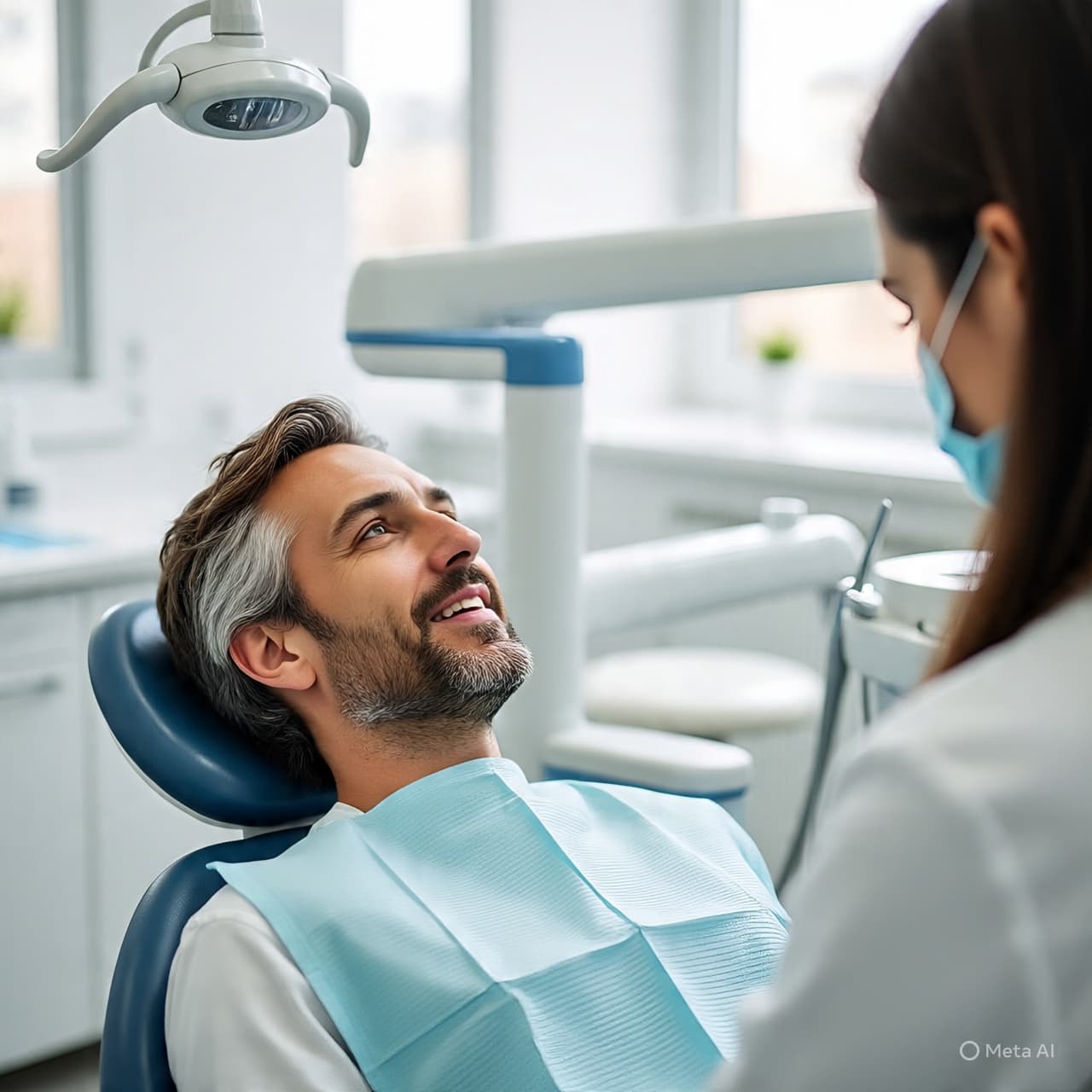
Routine dental care has long been considered a cornerstone of preventive health, yet recent data suggest that a significant portion of Americans are increasingly neglecting regular checkups. Dental professionals are noticing patterns: missed appointments, delayed cleanings, and rising incidences of untreated cavities and gum disease. This trend carries implications not only for oral health but for overall well-being, as untreated dental problems can exacerbate conditions ranging from cardiovascular disease to diabetes.
The reasons for this decline in dental visits are varied and complex. Cost remains a primary barrier, as many adults face limited or no dental insurance coverage. Anxiety and fear of dental procedures contribute to avoidance, while busy schedules and competing responsibilities push routine checkups lower on the priority list. The cumulative effect of these factors is unmistakable, leading to a growing number of individuals who forgo necessary dental care.
Public health experts emphasize the importance of early intervention in dental care. Minor issues caught during routine visits are far easier and less costly to manage than advanced decay or periodontal disease. Consistent dental care not only reinforces healthy habits but also encourages patient education and provides opportunities to screen for early warning signs of systemic illness. The decline in dental visits reflects broader societal patterns, where preventive care in general has seen uneven uptake.
Moreover, dentistry often remains separated from general medical care, which exacerbates the gap in preventive health measures. Campaigns aimed at increasing awareness, expanding affordable access, and integrating oral health with broader healthcare initiatives are becoming increasingly critical. These efforts highlight the necessity of viewing dental health as an integral part of overall wellness rather than a cosmetic concern.
Despite the challenges, solutions are emerging to address the barriers to dental care. Mobile clinics, tele-dentistry consultations, and community-based outreach programs aim to reach populations that have historically faced obstacles to care. Educational initiatives are also encouraging individuals to view dental health as a vital component of long-term wellness. These efforts underscore the notion that regular checkups are an investment in health, not an optional luxury.
In observing the current landscape, the message is clear: neglecting dental care has consequences that extend beyond the mouth. Americans are being reminded that health is holistic, and that small, consistent preventive measures, such as visiting the dentist, can yield benefits that ripple across years and systems. Ultimately, attention to routine dental care is a quiet but essential part of maintaining vitality and quality of life.
Published by Banx Network. This article is part of the Banx decentralized media programme, powered by the BXE token on the XRP Ledger.



