Careers in science rarely follow straight lines. They often resemble long journeys shaped by unexpected beginnings, where small tasks in unfamiliar environments gradually become stepping stones toward larger responsibilities that reach far beyond their origin.
Body Reports highlighting the career journey of a scientist who once performed basic maintenance tasks during early work experience—including routine spacecraft facility duties—underscore the diverse pathways that can lead to leadership roles in space exploration.
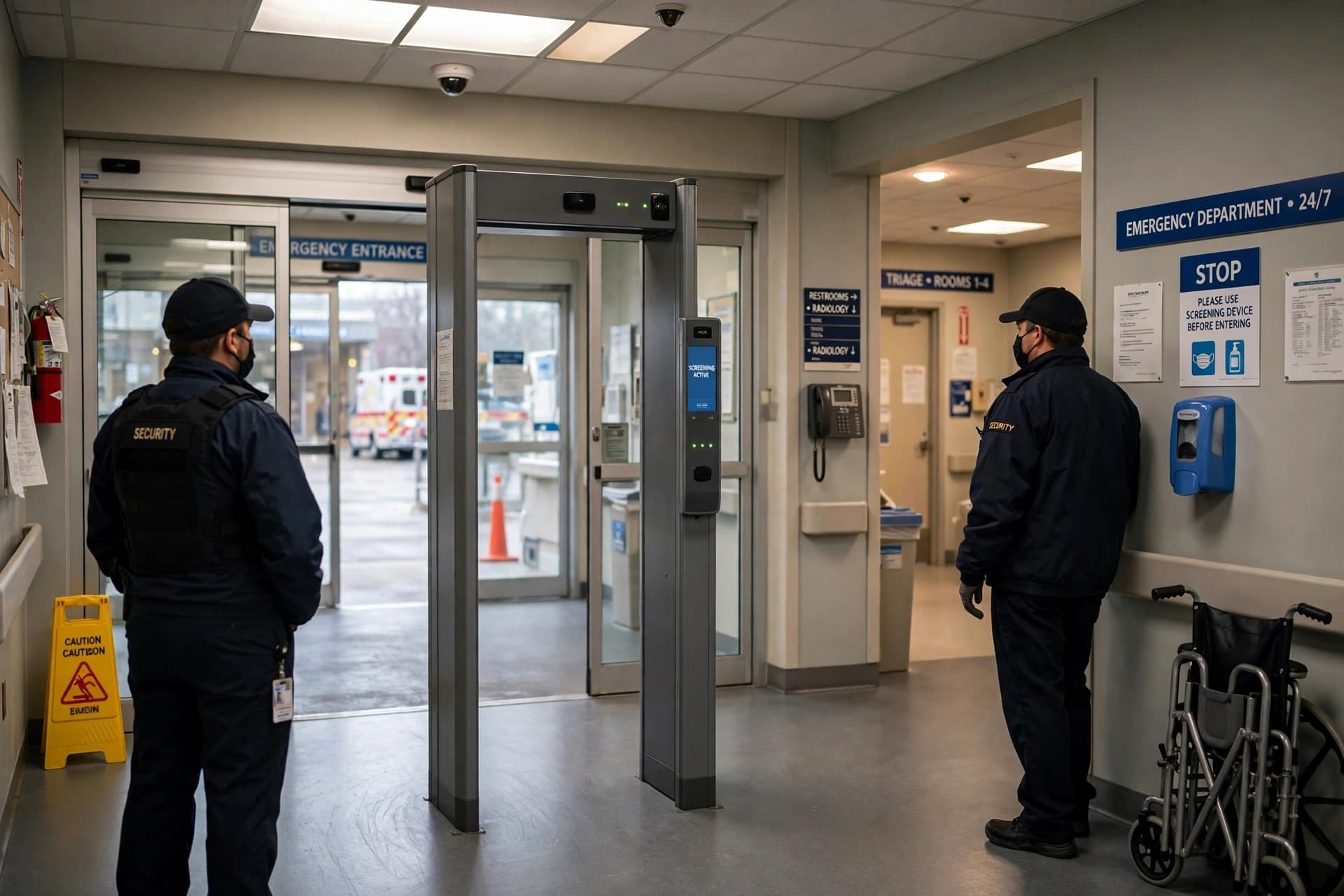
While the detail of “cleaning a space toilet” is often used symbolically in such narratives, experts emphasize that early-stage roles in aerospace environments frequently involve operational support tasks essential to mission readiness. These roles can include facility maintenance, laboratory assistance, and system checks.
Over time, individuals working in these environments may transition into technical training programs, engineering roles, or scientific research positions. This progression reflects the structured yet flexible career development systems within major space agencies and research institutions.
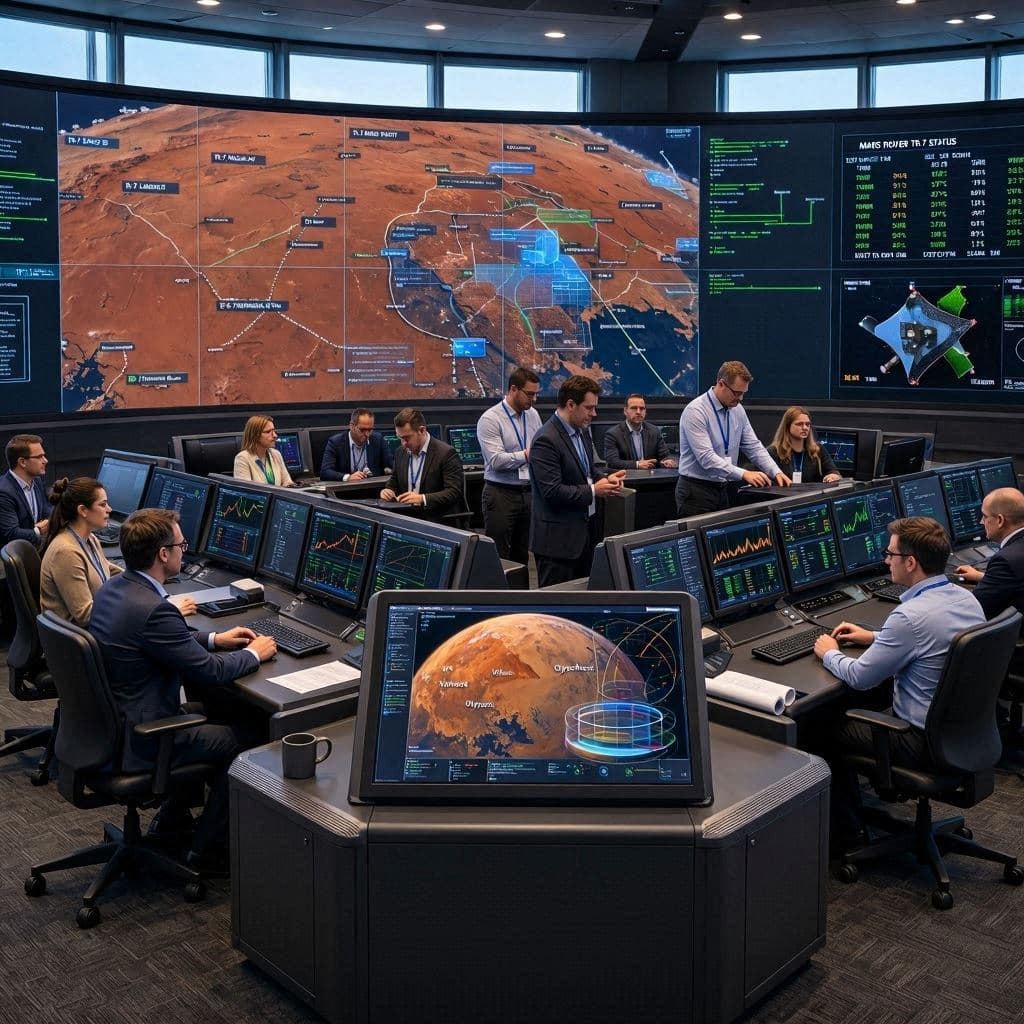
Mars exploration teams today are composed of multidisciplinary experts, including planetary geologists, engineers, data scientists, and mission planners. Leadership roles in such teams typically require years of accumulated experience across multiple mission phases.
Educational pathways in aerospace science often combine academic research with hands-on operational exposure, allowing professionals to understand both theoretical and practical aspects of space missions.
Experts note that these kinds of career stories highlight the importance of accessible entry points into scientific fields, where early exposure can lead to long-term advancement in highly specialized areas.
Closing Space agencies continue to emphasize diverse recruitment and training pathways to support the next generation of planetary exploration leadership.
AI Image Disclaimer: All visuals are AI-generated and intended for illustrative editorial purposes only.
Sources: NASA, ESA, BBC Science, Nature, Space News
Published by Banx Network. This article is part of the Banx decentralized media programme, powered by the BXE token on the XRP Ledger.