
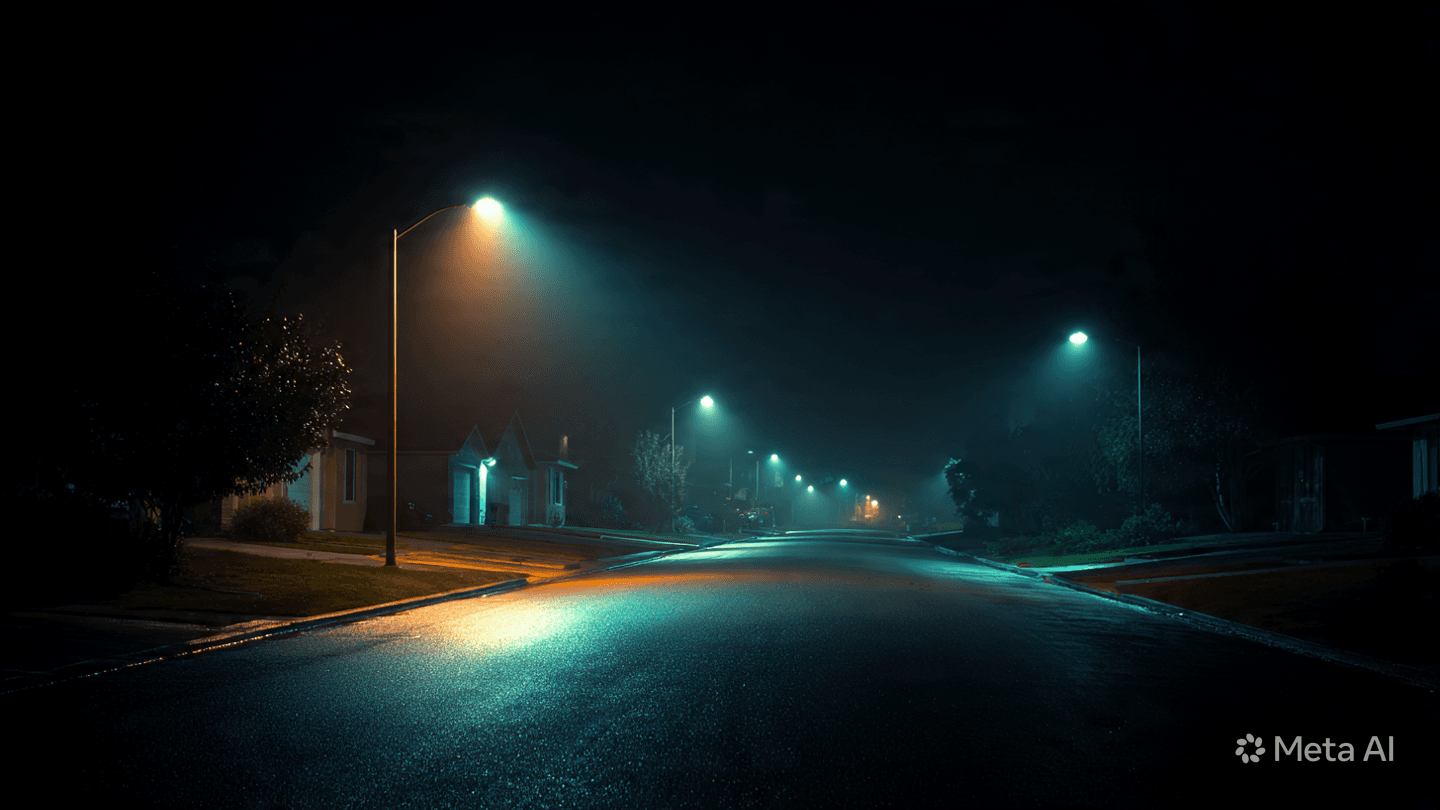
There is a profound sanctity associated with the home, a belief that once the door is locked and the lights dimmed, the world’s chaos is effectively excluded. Yet, in certain residential neighborhoods, this sense of domestic peace has been shattered by the sudden, violent reality of nighttime raids. These intrusions are not merely acts of criminality; they are violations of the very idea of shelter. When the peace of the night is broken by the force of entry, the collective sense of safety is irrevocably damaged, leaving behind a neighborhood that now lives in a state of perpetual, low-level dread.
The impact of these raids is measured in more than just stolen property or physical harm; it is reflected in the subtle change in how the community functions. People move through their days with a heightened awareness, a persistent scanning of their environment for signs of threat. The evenings, once a time for rest and family interaction, have become a period of heightened vigilance, where doors are double-checked and conversations are carried out in hushed tones. It is a quiet, unsettling erosion of the fabric of community life, as trust is replaced by a necessity for fortification.
The raids themselves are characterized by a cold, swift efficiency that suggests a high degree of preparation. They occur in the darkest hours, when the residents are most vulnerable, turning the sanctuary of the bedroom into a site of confusion and alarm. For those who have experienced these intrusions, the memory of the event—the sound of the door giving way, the flashlights cutting through the darkness—remains a lingering, vivid trauma. It is a theft of security that is far harder to recover than any material object, leaving individuals to grapple with the violation of their personal space.
The neighborhood response to these events has been one of quiet, determined resistance. Residents are forming informal watch groups, organizing patrols, and sharing information in an attempt to restore the safety of their streets. It is an act of collective recovery, a way for the community to reclaim its agency in the face of an external threat. Yet, even with these efforts, there is a pervasive sense that the fundamental order of things has been disrupted. The neighborhood is no longer the same place it was, and the shadow of the nighttime raids hangs over every shared space.
Local law enforcement agencies are currently attempting to map the patterns of these intrusions, looking for links between the disparate events. The challenge is in the nature of the raids themselves, which appear designed to minimize contact and maximize speed. This necessitates a more integrated approach to policing, one that relies on community engagement and the gathering of intelligence from the ground up. The goal is to identify the perpetrators and restore the sanctity of the residential zones, but the process is slow, testing the patience of those who live in the shadow of the next potential raid.
The broader conversation surrounding these raids touches on the themes of surveillance, privacy, and the state’s role in protecting the home. It is a complex landscape, where the demand for greater security must be balanced against the preservation of the individual’s right to a quiet, private life. As the neighborhood grapples with the fallout, there is a sense of reflection on what has been lost—not just the sense of safety, but the ease of existence that defined their lives before the raids began. It is a difficult, ongoing process of recalibration.
As the community continues to navigate this period of instability, the focus remains on mutual support and the strengthening of the social bonds that serve as the first line of defense. The raids may have stolen the peace of the night, but they have not broken the resolve of those who call these neighborhoods home. There is a quiet, stubborn commitment to finding a path back to a state of normalcy, a refusal to let the violence of the few dictate the reality of the many. In the face of the darkness, the neighborhood is finding the light to endure.
Reports from the affected neighborhoods indicate that local authorities have increased patrols and initiated a series of inquiries into the recent wave of nighttime raids. Investigators are currently gathering evidence and coordinating with community leaders to develop a more robust strategy for residential protection. Residents have been advised to remain cautious and report any suspicious activity immediately as the investigation into the perpetrators’ identities and motivations proceeds.
Published by Banx Network. This article is part of the Banx decentralized media programme, powered by the BXE token on the XRP Ledger.


.jpg&w=3840&q=75 "Intelligence Agencies Suspect Russia Is Developing Anti-Satellite Weapon to Target Starlink")