
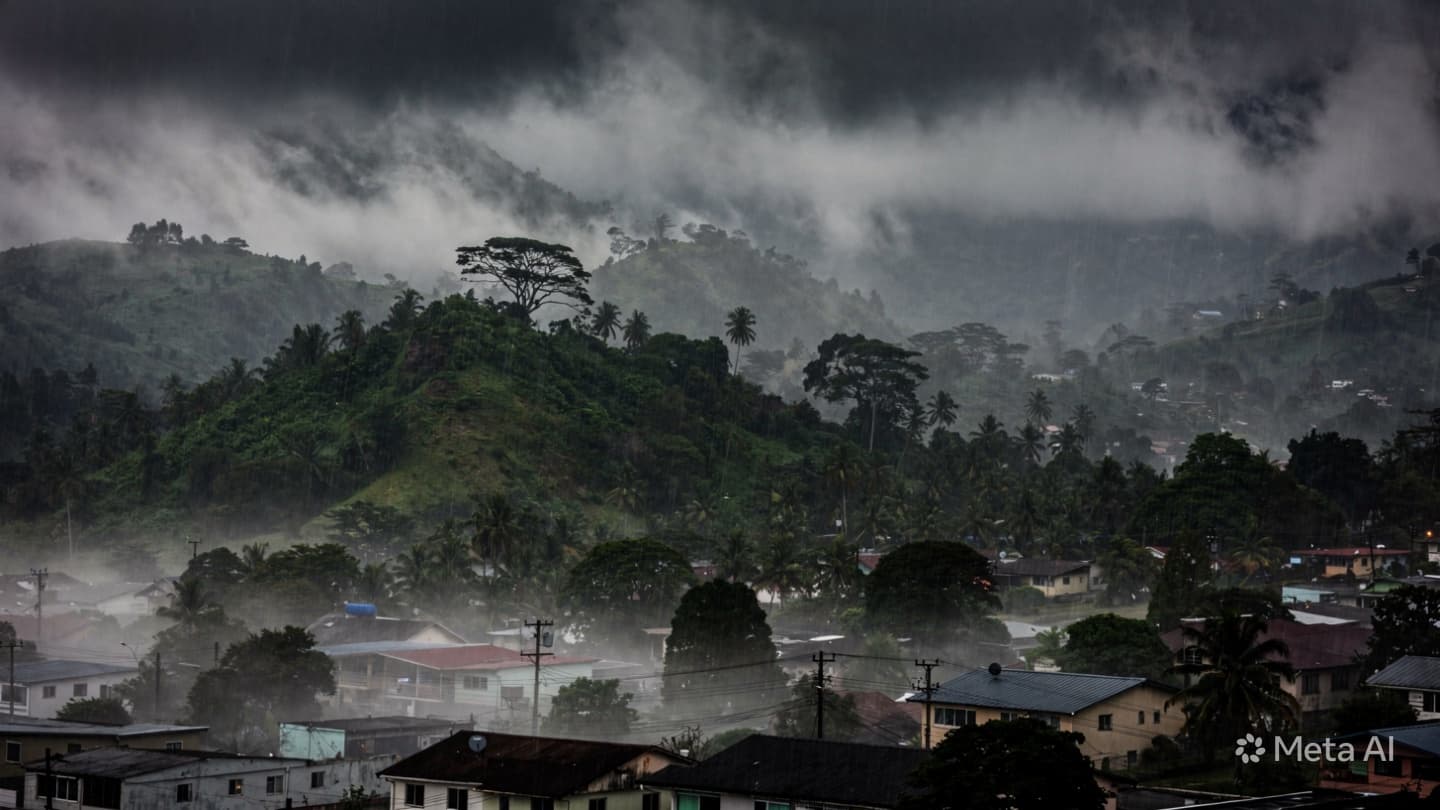
Rio de Janeiro is a city built where the mountains meet the sea, a place of dramatic vertical geography that commands both awe and vulnerability. The granite peaks that define the skyline are beautiful, but they also form a natural barrier that forces urban life to cling closely to the steep slopes. When the clouds roll in from the Atlantic, they often catch on these high ridges, releasing their moisture in dense, concentrated bursts that challenge the engineering of the city below.
The downpour began with a steady, rhythmic drumming that quickly transformed into an overwhelming sheet of water, blurring the lines between the air and the earth. In the densely populated neighborhoods where houses rise tiered above one another, the rainwater gathered momentum as it ran down the narrow alleys. The soil on the hillsides, saturated by hours of continuous precipitation, grew heavy, testing the structural limits of the walls built to hold the earth in place.
In one residential sector, a retaining wall that had stood for years as a silent barrier against the mountain's weight began to show signs of distress under the hydro-static pressure. The concrete, soaked through and un-reinforced against such extreme volumes, yielded to the shifting earth behind it. With a low, rolling sound that was nearly swallowed by the noise of the rain, the structure collapsed, sending a mixture of masonry and mud toward the dwellings below.
The sudden influx of debris and water caught the immediate neighborhood by surprise, breaching the thin boundaries of domestic security. Three residents, who were inside their homes attempting to weather the storm, were caught in the path of the collapsing wall and the resulting flash flood. The structural failure was a stark reminder of the delicate balance that exists between the built environment and the natural forces that surround it during the tropical summer.
In the immediate aftermath, as the rain continued to fall in heavy sheets, neighbors rallied to assist those affected, navigating the slick mud and rushing water with handheld lanterns. The solidarity of the community manifested in quiet, determined efforts to clear the pathways and ensure that everyone was accounted for. The local civil defense units arrived shortly thereafter, their bright uniforms contrasting with the grey, rain-slicked landscape as they secured the perimeter.
The vulnerability of Rio’s hillside communities to intense weather patterns is a recurring theme in the city's modern history, highlighting deep-seated challenges in urban planning and infrastructure distribution. As global climate patterns shift, bringing more intense and unpredictable rainfall events, the strain on existing retaining structures becomes increasingly evident. The event emphasizes the critical need for comprehensive slope stabilization and improved drainage systems in high-risk zones.
By morning, the intense downpour had subsided into a light, persistent mist that hung over the mountains, revealing the true extent of the hillside scars. The mud-soaked streets stood quiet, and the sound of rushing water slowly receded back into the underground storm drains. Residents began the arduous task of shoveling out the silt from their doorways, their movements methodical and worn by the familiarity of seasonal weather challenges.
According to statements issued by municipal emergency services in Rio de Janeiro, the heavy rainfall triggered a localized flash flood that led to the collapse of a retaining wall. The incident resulted in injuries to three residents, who were treated for non-life-threatening conditions at a nearby municipal hospital. Civil defense engineers remained on-site to evaluate the stability of the remaining slopes and to prevent further structural risks to the community.
Published by Banx Network. This article is part of the Banx decentralized media programme, powered by the BXE token on the XRP Ledger.


